


Gout is a painful, inflammatory form of arthritis. Those affected will typically feel an intense stiffness in the joints of their feet, particularly in the big toe. Schedule a visit to learn about how gout can be managed and treated.
Gout is a painful, inflammatory form of arthritis. Those affected will typically feel an intense stiffness in the joints of their feet, particularly in the big toe. Schedule a visit to learn about how gout can be managed and treated.
 A heel spur is defined as a bony growth surrounding the ligaments of the foot near the heel bone. It may develop as a result of existing medical conditions that can include poor circulation and various forms of arthritis. Some of the symptoms that are associated with heel spurs can include continuous foot pain, and it may be difficult to walk. It may become worse after arising in the morning, or if excessive strain has been placed on the heel in previous days. Mild relief may be found when the affected foot is elevated, and it may help to place a protective pad in the heel of the shoe. If you are experiencing heel pain, it is strongly suggested that you seek the counsel of a podiatrist who can properly diagnose heel spurs, and offer you correct treatment techniques.
Heel spurs can be incredibly painful and sometimes may make you unable to participate in physical activities. To get medical care for your heel spurs, contact John Horlebein, DPM from Northern Cascades Foot & Ankle, LLC. Our doctor will do everything possible to treat your condition.
Heels Spurs
Heel spurs are formed by calcium deposits on the back of the foot where the heel is. This can also be caused by small fragments of bone breaking off one section of the foot, attaching onto the back of the foot. Heel spurs can also be bone growth on the back of the foot and may grow in the direction of the arch of the foot.
Older individuals usually suffer from heel spurs and pain sometimes intensifies with age. One of the main condition's spurs are related to is plantar fasciitis.
Pain
The pain associated with spurs is often because of weight placed on the feet. When someone is walking, their entire weight is concentrated on the feet. Bone spurs then have the tendency to affect other bones and tissues around the foot. As the pain continues, the feet will become tender and sensitive over time.
Treatments
There are many ways to treat heel spurs. If one is suffering from heel spurs in conjunction with pain, there are several methods for healing. Medication, surgery, and herbal care are some options.
If you have any questions, please feel free to contact our office located in Chelan, WA . We offer the newest diagnostic and treatment technologies for all your foot care needs.

The big toe is also known as the great toe, and is considered to be one of the most important joints in the body. It has various functions, including walking heel to toe, and balancing while running, jumping, or dancing. There is a joint on the bottom of the big toe that is known as the tarsometatarsal (TMT) joint, and the proximal Interphalangeal joint is found across from it. These joints can become damaged from participating in high-impact sporting activities, and will often become painful and swollen. Another form of discomfort occurring in the big toe is known as gout. This develops as a result of excess uric acid in the blood that can form crystals in the joints of the big toe, often causing debilitating pain. Extensor tendonitis is a foot condition that may happen from having tight calf muscles, and the pain is felt when the big toe is extended. Many people have osteoarthritis of the joints in the big toe, and a bunion may gradually develop, if not promptly treated. If you have pain in your big toe, it is strongly urged that you speak with a podiatrist who can properly diagnose and treat toe pain.
Toe pain can disrupt your daily activities. If you have any concerns, contact John Horlebein, DPM of Northern Cascades Foot & Ankle, LLC. Our doctor can provide the care you need to keep you pain-free and on your feet.
What Causes Toe Pain?
Most severe toe pain is caused due to a sports injury, trauma from dropping something heavy on the toe, or bumping into something rigid. Other problems can develop over time for various reasons.
Toe pain can be caused by one or more ailments. The most common include:
When to See a Podiatrist
Diagnosis
In many cases the cause of toe pain is obvious, but in others, a podiatrist may want to use more advanced methods to determine the problem. These can range from simple visual inspections and sensation tests to X-rays and MRI scans. Prior medical history, family medical history, and any recent physical traumatic events will all be taken into consideration for a proper diagnosis.
Treatment
Treatments for toe pain and injuries vary and may include shoe inserts, padding, taping, medicines, injections, and in some cases, surgery. If you believe that you have broken a toe, please see a podiatrist as soon as possible.
If you have any questions please contact our office located in Chelan, WA . We offer the newest diagnostic and treatment technologies for all your foot and ankle needs.
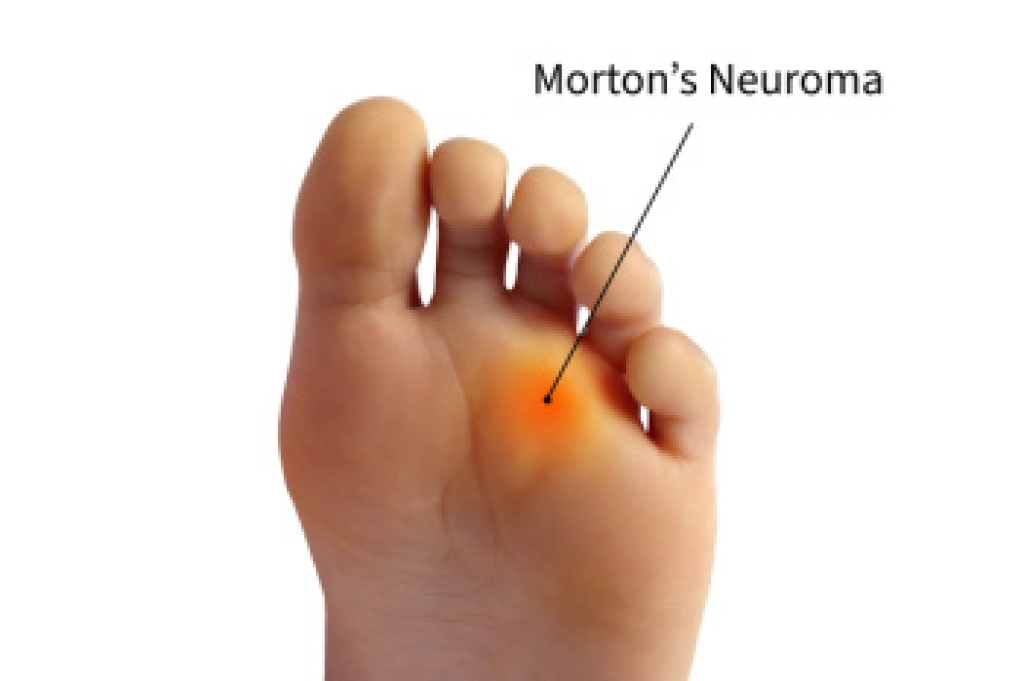
Morton’s neuroma is a painful condition that affects the ball of the foot, typically between the third and fourth toes. It is caused by a thickening of the tissue around one of the nerves leading to the toes, often due to repetitive stress, tight footwear, high heels, or abnormal foot structure. Symptoms include a sharp, burning pain in the forefoot, tingling or numbness in the toes, and the sensation of having a pebble or fold in the sock. The pain may worsen with walking or wearing shoes and may ease when the foot is at rest. A podiatrist can diagnose Morton’s neuroma through a physical examination, review of symptoms, and imaging tests if necessary. Treatment options include footwear changes, custom orthotics, corticosteroid injections, or in severe cases, surgical removal of the affected nerve. It is suggested that you make an appointment with a podiatrist to receive a proper diagnosis and begin effective treatment for lasting relief.
Morton’s neuroma is a very uncomfortable condition to live with. If you think you have Morton’s neuroma, contact John Horlebein, DPM of Northern Cascades Foot & Ankle, LLC. Our doctor will attend to all of your foot care needs and answer any of your related questions.
Morton’s Neuroma
Morton's neuroma is a painful foot condition that commonly affects the areas between the second and third or third and fourth toe, although other areas of the foot are also susceptible. Morton’s neuroma is caused by an inflamed nerve in the foot that is being squeezed and aggravated by surrounding bones.
What Increases the Chances of Having Morton’s Neuroma?
Morton’s neuroma is a very treatable condition. Orthotics and shoe inserts can often be used to alleviate the pain on the forefront of the feet. In more severe cases, corticosteroids can also be prescribed. In order to figure out the best treatment for your neuroma, it’s recommended to seek the care of a podiatrist who can diagnose your condition and provide different treatment options.
If you have any questions, please feel free to contact our office located in Chelan, WA . We offer the newest diagnostic and treatment technologies for all your foot care needs.
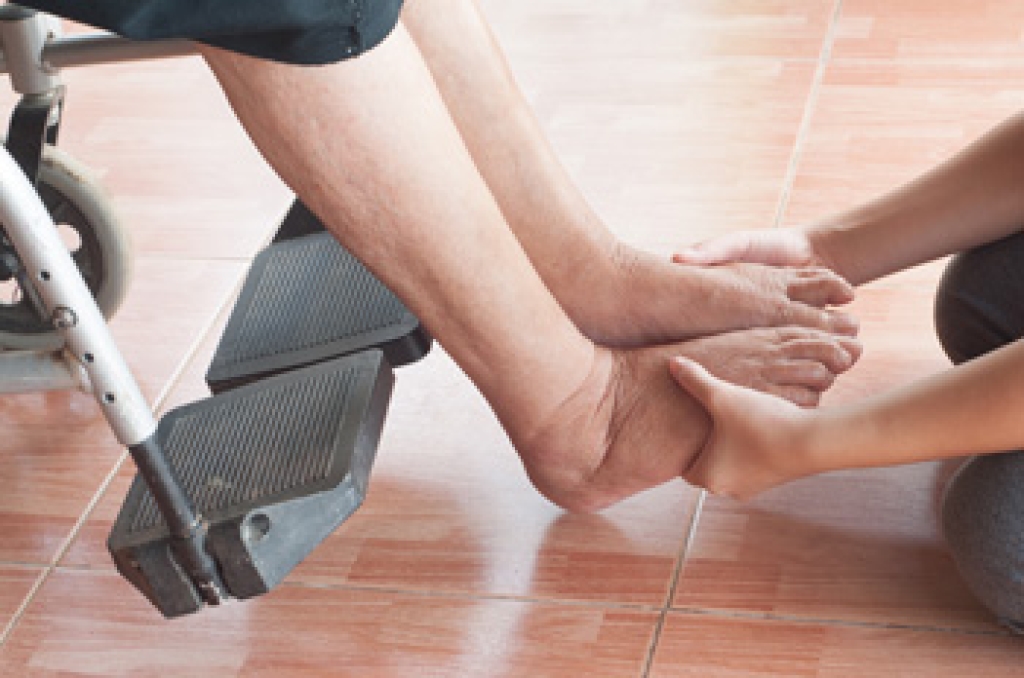
As people age, their feet often require extra attention to stay healthy and comfortable. Natural changes such as thinning skin, reduced cushioning in the heel, and decreased circulation can make the feet more vulnerable to injury or discomfort. Common issues include dry skin, thickened toenails, corns, and calluses that may become painful, if not properly managed. Arthritis and balance problems can also increase the risk of falls and limit mobility. Choosing supportive shoes with good cushioning and non-slip soles helps protect aging feet during daily activities. Regularly checking for cuts, sores, or changes in shape is important, especially for those with diabetes. Gentle stretching or low impact exercises can keep the feet flexible and strong. If you are experiencing foot pain or difficulty caring for your feet as you get older, it is suggested that you see a podiatrist for personalized guidance.
Proper foot care is something many older adults forget to consider. If you have any concerns about your feet and ankles, contact John Horlebein, DPM from Northern Cascades Foot & Ankle, LLC. Our doctor can provide the care you need to keep you pain-free and on your feet.
The Elderly and Their Feet
As we age we start to notice many changes in our body, but the elder population may not notice them right away. Medical conditions may prevent the elderly to take notice of their foot health right away. Poor vision is a lead contributor to not taking action for the elderly.
Common Conditions
Susceptible Infections
Diabetes and poor circulation can cause general loss of sensitivity over the years, turning a simple cut into a serious issue.
If you have any questions, please feel free to contact our office located in Chelan, WA . We offer the newest diagnostic and treatment technologies for all your foot care needs.