
Dr. Horlebein will be joining Advanced Regional Ankle & Foot Care LLC as a full time physician in Altoona PA, as of June 1st 2023. Feel free to call our office with any scheduling inquires/questions!

Blog

Are Bunions Painful?

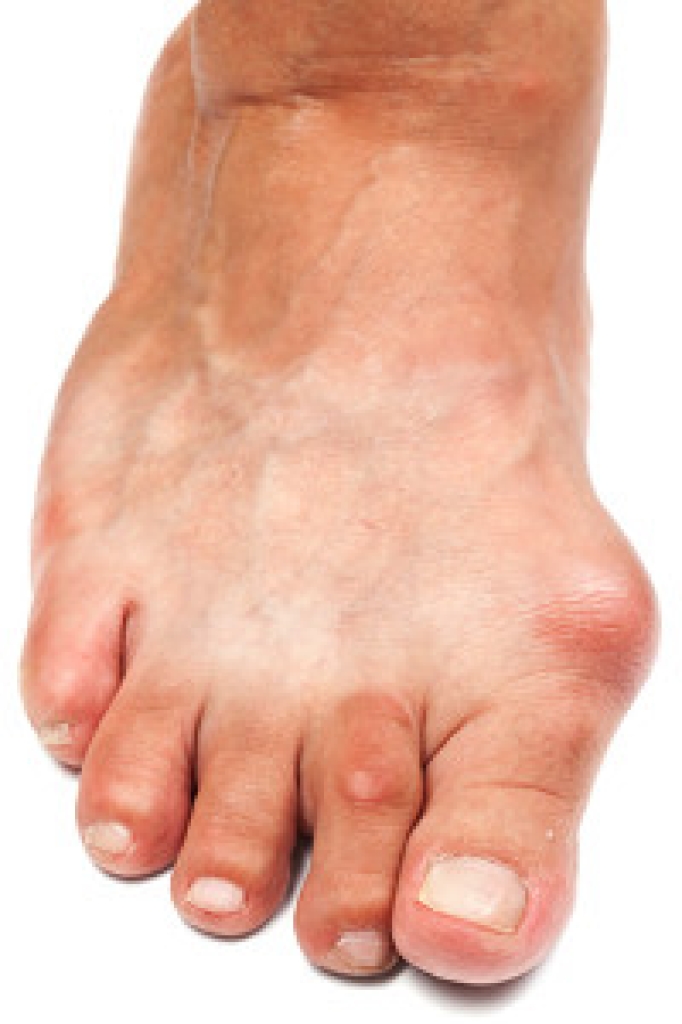
If you have a bony protrusion at the base of the big toe, you most likely have a bunion. It is considered to be a deformity of the joint in that area of the toe. The symptoms that many patients notice often include skin that is sensitive on top of the bunion, and changes to the shape of the foot. Additionally, pain, swelling, and callused skin can accompany this condition. Research has indicated bunions may be caused by genetic factors and wearing shoes that do not fit correctly can make bunions worse. Mild relief may be found if bunion pads or orthotics are worn. If this is ineffective, surgery may be necessary if permanent removal of the bunion is desired. If you have developed a bunion, it is advised to seek the counsel of a podiatrist who can guide you toward the treatment that is right for you.

If you are suffering from bunions, contact John Horlebein, DPM of Northern Cascades Foot & Ankle, LLC. Our doctor can provide the care you need to keep you pain-free and on your feet.

What Is a Bunion?

A bunion is formed of swollen tissue or an enlargement of boney growth, usually located at the base joint of the toe that connects to the foot. The swelling occurs due to the bones in the big toe shifting inward, which impacts the other toes of the foot. This causes the area around the base of the big toe to become inflamed and painful.

Why Do Bunions Form?

Genetics – Susceptibility to bunions are often hereditary

Stress on the feet – Poorly fitted and uncomfortable footwear that places stress on feet, such as heels, can worsen existing bunions

How Are Bunions Diagnosed?

Podiatrists often perform two tests – blood tests and x-rays – when trying to diagnose bunions, especially in the early stages of development. Blood tests help determine if the foot pain is being caused by something else, such as arthritis, while x-rays provide a clear picture of your bone structure to your provider.

How Are Bunions Treated?

  • Refrain from wearing heels or similar shoes that cause discomfort
  • Select wider shoes that can provide more comfort and reduce pain
  • Anti-inflammatory and pain management drugs
  • Orthotics or foot inserts
  • Surgery

If you have any questions, please feel free to contact our office located in Chelan, WA . We offer the newest diagnostic and treatment technologies for all your foot care needs.
Read more about Bunions

Soccer Players And Blisters

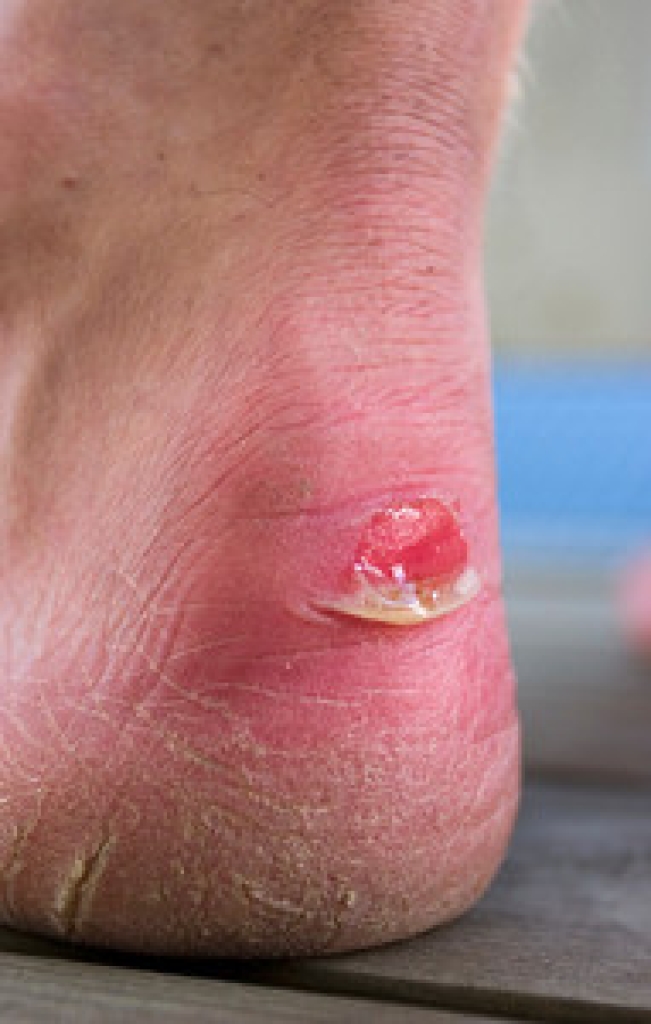
Many soccer players will develop blisters at some point while participating in their chosen sport.  They typically form on the bottom of the foot or on the back of the heel. This is a result of consistent friction that comes from shoes that do not fit correctly. They are often painful, and a player’s natural instinct to avoid discomfort causes the gait to change. This is likely to increase the risk of an ankle or knee injury, and overall playing performance may be impacted as a result of the pain that is caused by a blister. Research has shown the first sign of a blister is a “hot spot”, which is a tender and warm portion of the skin where the friction has occurred. Keeping the affected area covered and dry is important while taking part in soccer events. Additionally, it is helpful to wear athletic socks that are made of synthetic material. There are methods that can be implemented, which may help to prevent blisters from developing. These include measuring your foot, which determines the correct shoe size, and purchasing shoes at the end of the day when the feet are at their largest. If you have a blister and would like additional information about the treatment and prevention of this ailment, it is suggested that you consult with a podiatrist.

Blisters are prone to making everyday activities extremely uncomfortable. If your feet are hurting, contact John Horlebein, DPM of Northern Cascades Foot & Ankle, LLC. Our doctor can provide the care you need to keep you pain-free and on your feet.

Foot Blisters

Foot blisters develop as a result of constantly wearing tight or ill-fitting footwear. This happens due to the constant rubbing from the shoe, which can often lead to pain.

What Are Foot Blisters?

A foot blister is a small fluid-filled pocket that forms on the upper-most layer of the skin. Blisters are filled with clear fluid and can lead to blood drainage or pus if the area becomes infected.

How Do Blisters Form?

Blisters on the feet are often the result of constant friction of skin and material, usually by shoe rubbing. Walking in sandals, boots, or shoes that don’t fit properly for long periods of time can result in a blister. Having consistent foot moisture and humidity can easily lead to blister formation.

Prevention & Treatment

It is important to properly care for the affected area in order to prevent infection and ease the pain. Do not lance the blister and use a Band-Aid to provide pain relief. Also, be sure to keep your feet dry and wear proper fitting shoes. If you see blood or pus in a blister, seek assistance from a podiatrist.

If you have any questions, please feel free to contact our office located in Chelan, WA . We offer the newest diagnostic and treatment technologies for all your foot care needs.
Read more about Blisters on the Feet

Do I Have Flat Feet?

The condition known as flat feet occurs when the arch is absent from the foot. This may happen as a result of the aging process, which can cause the arches to drop, in addition to genetic factors. The symptoms that are associated with flat feet may include pain in the heel and other areas of the foot, numbness, or weakness. If your foot lies flat on the ground while standing, this is generally indicative of flat feet. Luckily, there may be measures that can be implemented to obtain relief. These may include performing stretches to help improve flexibility, wearing custom-made orthotics, or wearing shoes that provide adequate support. If you think you have flat feet, be sure to schedule a consultation with a podiatrist, so they can properly treat this condition.

Flatfoot is a condition many people suffer from. If you have flat feet, contact John Horlebein, DPM from Northern Cascades Foot & Ankle, LLC. Our doctor will treat your foot and ankle needs.

What Are Flat Feet?

Flatfoot is a condition in which the arch of the foot is depressed and the sole of the foot is almost completely in contact with the ground. About 20-30% of the population generally has flat feet because their arches never formed during growth.

Conditions & Problems:

Having flat feet makes it difficult to run or walk because of the stress placed on the ankles.

Alignment – The general alignment of your legs can be disrupted, because the ankles move inward which can cause major discomfort.

Knees – If you have complications with your knees, flat feet can be a contributor to arthritis in that area.  

Symptoms

  • Pain around the heel or arch area
  • Trouble standing on the tip toe
  • Swelling around the inside of the ankle
  • Flat look to one or both feet
  • Having your shoes feel uneven when worn

Treatment

If you are experiencing pain and stress on the foot you may weaken the posterior tibial tendon, which runs around the inside of the ankle. 

If you have any questions, please feel free to contact our office located in Chelan, WA . We offer the newest diagnostic and treatment technologies for all your foot care needs.
Read more about Flat Feet

The Purpose of the Achilles Tendon

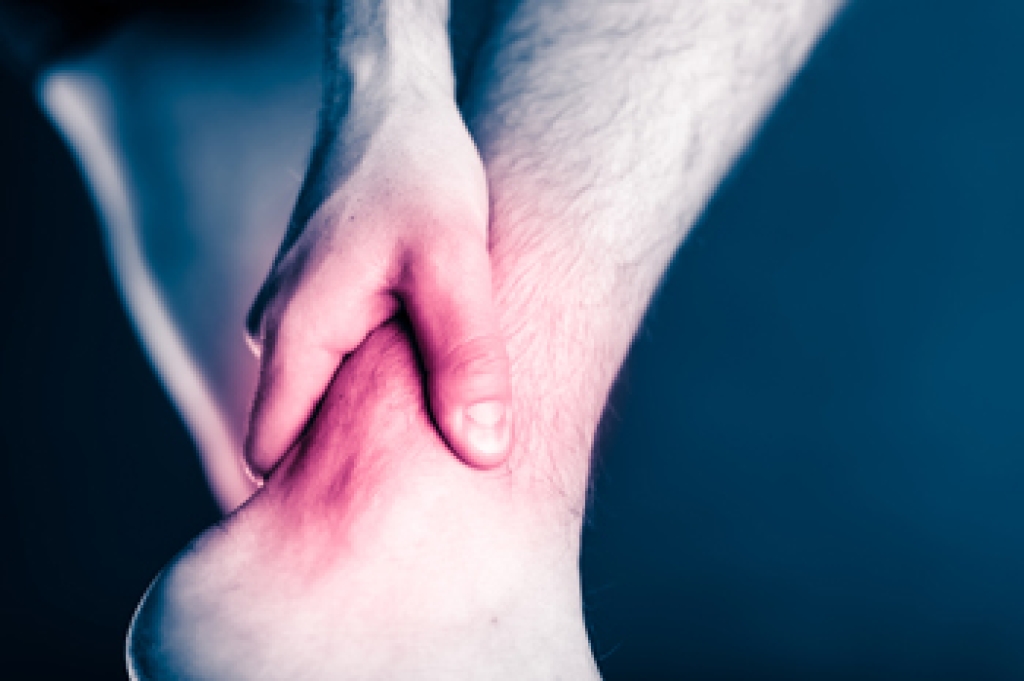
The Achilles tendon is considered to be the largest tendon in the body, and its function is to connect the calf muscles to the heel bone. It is essential to keep this tendon flexible and strong, as this may ensure that walking and running are easy to accomplish. If an injury should occur to the Achilles tendon, it may become irritated and inflamed, and a painful condition that is known as Achilles tendonitis may develop. This can happen if proper stretching is not done before a new sport is pursued or wearing shoes that do not fit correctly while exercising. Some of the symptoms that may be experienced with this type of injury may include pain and discomfort in the back of the leg, difficulty in pointing and flexing the injured foot, or swelling in the leg as activities are completed. If you feel you have injured your Achilles tendon, it is suggested that you consult with a podiatrist who can offer proper treatment options for you.

Achilles tendon injuries need immediate attention to avoid future complications. If you have any concerns, contact John Horlebein, DPM of Northern Cascades Foot & Ankle, LLC. Our doctor can provide the care you need to keep you pain-free and on your feet.

What Is the Achilles Tendon?

The Achilles tendon is a tendon that connects the lower leg muscles and calf to the heel of the foot. It is the strongest tendon in the human body and is essential for making movement possible. Because this tendon is such an integral part of the body, any injuries to it can create immense difficulties and should immediately be presented to a doctor.

What Are the Symptoms of an Achilles Tendon Injury?

There are various types of injuries that can affect the Achilles tendon. The two most common injuries are Achilles tendinitis and ruptures of the tendon.

Achilles Tendinitis Symptoms

  • Inflammation
  • Dull to severe pain
  • Increased blood flow to the tendon
  • Thickening of the tendon

Rupture Symptoms

  • Extreme pain and swelling in the foot
  • Total immobility

Treatment and Prevention

Achilles tendon injuries are diagnosed by a thorough physical evaluation, which can include an MRI. Treatment involves rest, physical therapy, and in some cases, surgery. However, various preventative measures can be taken to avoid these injuries, such as:

  • Thorough stretching of the tendon before and after exercise
  • Strengthening exercises like calf raises, squats, leg curls, leg extensions, leg raises, lunges, and leg presses

If you have any questions please feel free to contact our office located in Chelan, WA . We offer the newest diagnostic tools and technology to treat your foot and ankle needs.

Read more about Achilles Tendon Injuries

Foot Conditions That Elderly People May Have

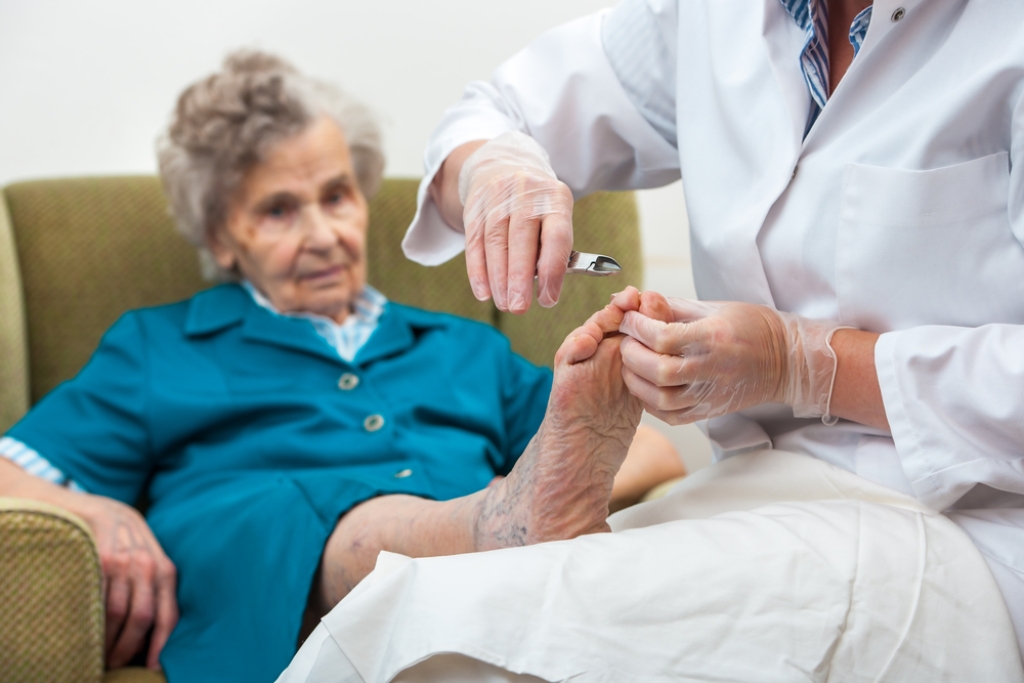
Many elderly people may experience foot problems as a result of a loss of cushioning in the feet and poor circulation. An effective way to protect the feet may be to wear shoes that fit correctly. Additionally, if standing is done for the majority of the day, the feet may feel better if gentle stretches are performed. Many patients develop athlete’s foot, which is a common fungus that attacks the bottom of the feet and between the toes. This may be prevented if the feet are washed and dried thoroughly each day, followed by wearing clean socks and shoes. It is common for seniors to have dry skin, and a symptom of this may be an itchy or burning sensation. Prevention of this may include using a moisturizer on the feet after a shower or bath is taken. If you would like additional information about how to properly care for elderly feet, please feel free to speak to a podiatrist.

If you need your feet checked, contact John Horlebein, DPM of Northern Cascades Foot & Ankle, LLC. Our doctor will attend to all of your foot and ankle needs and provide you with quality treatment.

Geriatrics and Podiatry
When people age, some common issues that may occur are bone density loss, dry skin, poor circulation, and rough brittle nails. These issues may also affect your foot health if the necessary steps are not taken to alleviate the problems.

It is important to take care of your feet because feet that are injured or diseased can affect your overall health. Having painful feet hinders your ability to do daily activities or may decrease your willingness to do the things that you need to do.

Visiting Your Geriatrician
As we age, health problems become more likely, so it is essential to visit your doctor for check-ups to ensure that you are doing the best you can to take care of your health. It is recommended to check your feet frequently for any possible cuts, bruises, swelling, corns or any other irregularities. 

Taking Care of Elderly Feet
Cracked or dry feet can be treated by applying moisturizer often. It is also important not to wear old socks because the older the sock is, the higher the possibility there will be that there is bacteria there. Wear fresh socks and make sure they fit properly.

Proper foot health means that you can have a more active lifestyle and you will not be bogged down by pain. Foot health also leads to good circulation, which is paramount for overall health.

If you have any questions, please feel free to contact our office located in Chelan, WA . We offer the newest diagnostic and treatment technologies for all your foot care needs.

Read more about Geriatrics and Podiatry
Connect with us