
Dr. Horlebein will be joining Advanced Regional Ankle & Foot Care LLC as a full time physician in Altoona PA, as of June 1st 2023. Feel free to call our office with any scheduling inquires/questions!

Blog

Who Does Sever’s Disease Affect?

The medical condition that is known as Sever’s disease can generally affect adolescents who participate in running and jumping activities. This ailment impacts the growth plate, and may occur as a result of the heel bone and surrounding muscles growing at different rates. There may be existing medical conditions that precede the onset of Sever’s disease. These can include flat feet, high arches, obesity, or having one leg that is shorter than the other. Some of the symptoms that are associated with this condition can consist of red skin around the affected area, swelling, and difficulty walking. Mild relief may be found when supportive shoes are worn, and gentle exercises are performed that may strengthen the foot. If you think your child may have Sever’s disease, it is strongly advised that you consult with a podiatrist for professional care and treatment.

Sever's disease often occurs in children and teens. If your child is experiencing foot or ankle pain, see John Horlebein, DPM from Northern Cascades Foot & Ankle, LLC. Our doctor can treat your child’s foot and ankle needs.

Sever’s Disease

Sever’s disease is also known as calcaneal apophysitis, which is a medical condition that causes heel pain I none or both feet. The disease is known to affect children between the ages of 8 and 14.

Sever’s disease occurs when part of the child’s heel known as the growth plate (calcaneal epiphysis) is attached to the Achilles tendon. This area can suffer injury when the muscles and tendons of the growing foot do not keep pace with bone growth. Therefore, the constant pain which one experiences at the back of the heel will make the child unable to put any weight on the heel. The child is then forced to walk on their toes.

Symptoms

Acute pain – Pain associated with Sever’s disease is usually felt in the heel when the child engages in physical activity such as walking, jumping and or running.

Highly active – Children who are very active are among the most susceptible in experiencing Sever’s disease, because of the stress and tension placed on their feet.

If you have any questions, please feel free to contact our office located in Chelan, WA . We offer the newest diagnostic and treatment technologies for all your foot care needs.
Read more about Sever's Disease

Common Symptoms of Athlete’s Foot

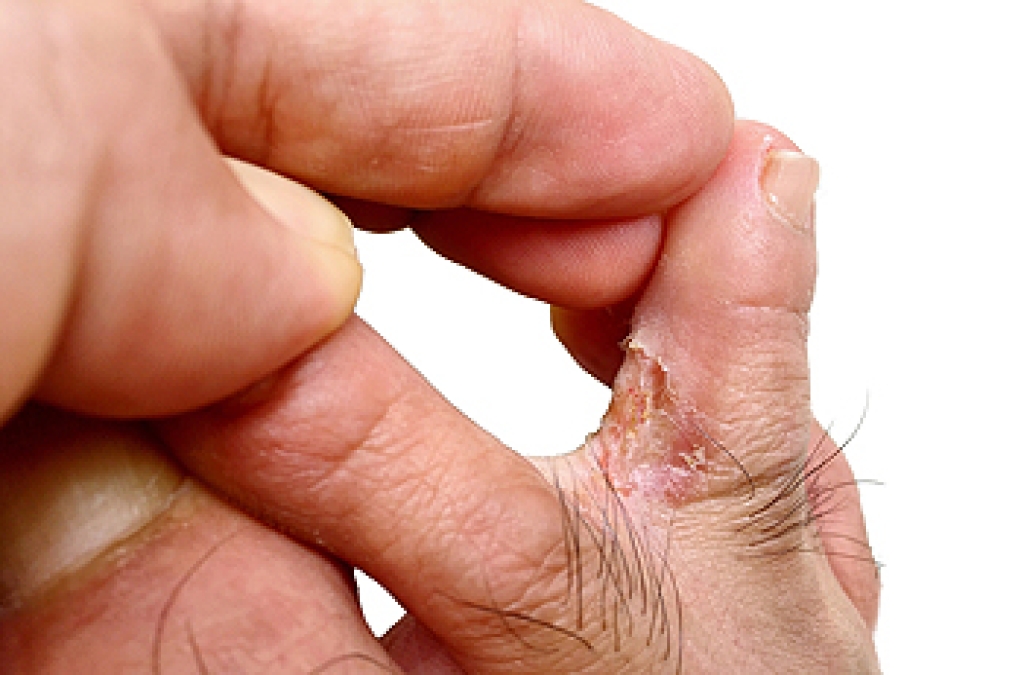
A common fungal infection of the feet is known as athlete’s foot. It is caused by a fungus that thrives in warm and moist environments. These can consist of public swimming pools, locker rooms, and shower room floors. If you are to visit these types of places, it is suggested that appropriate shoes are worn, as this may help to prevent the fungus from entering your skin. There are also other factors that may make it easier for this condition to develop. These may include wearing socks that are wet for the majority of the day, or having a bandage on the skin for an extended period of time which may soften the skin. Common symptoms that are associated with athlete’s foot can include intense itchiness between the toes and on the bottom of the feet, and in more severe cases, blisters may develop. If you feel you have athlete’s foot, it is strongly suggested that you consult with a podiatrist who can guide you toward the proper treatment.

Athlete’s foot is an inconvenient condition that can be easily reduced with the proper treatment. If you have any concerns about your feet and ankles, contact John Horlebein, DPM from Northern Cascades Foot & Ankle, LLC.  Our doctor will treat your foot and ankle needs.

Athlete’s Foot: The Sole Story

Athlete's foot, also known as tinea pedis, can be an extremely contagious foot infection. It is commonly contracted in public changing areas and bathrooms, dormitory style living quarters, around locker rooms and public swimming pools, or anywhere your feet often come into contact with other people.

Solutions to Combat Athlete’s Foot

  • Hydrate your feet by using lotion
  • Exfoliate
  • Buff off nails
  • Use of anti-fungal products
  • Examine your feet and visit your doctor if any suspicious blisters or cuts develop

Athlete’s foot can cause many irritating symptoms such as dry and flaking skin, itching, and redness. Some more severe symptoms can include bleeding and cracked skin, intense itching and burning, and even pain when walking. In the worst cases, Athlete’s foot can cause blistering as well. Speak to your podiatrist for a better understanding of the different causes of Athlete’s foot, as well as help in determining which treatment options are best for you.

If you have any questions please feel free to contact our office located in Chelan, WA . We offer the newest diagnostic and treatment technologies for all your foot and ankle needs.

Read more about Athlete's Foot

Promptly Treating Wounds on the Feet

Many diabetic patients are aware of the importance of promptly treating existing foot wounds. There may be serious complications if foot wounds are not treated, which may cause pain and discomfort. Some of the wounds on the feet that can be dangerous to the health of a diabetic patient can include cuts, blisters, or severely dry skin that may result in cracked heels. There are noticeable signs an infection may have developed. These can consist of extreme pain, swelling, and pus may appear surrounding the affected area. Additionally, some patients may experience a high temperature, swollen glands, or a general feeling of being unwell. If you have wounds on your feet, it is strongly advised that you are under the care of a podiatrist who can treat existing wounds.

Wound care is an important part in dealing with diabetes. If you have diabetes and a foot wound or would like more information about wound care for diabetics, consult with John Horlebein, DPM from Northern Cascades Foot & Ankle, LLC. Our doctor will assess your condition and provide you with quality foot and ankle treatment.

What Is Wound Care?

Wound care is the practice of taking proper care of a wound. This can range from the smallest to the largest of wounds. While everyone can benefit from proper wound care, it is much more important for diabetics. Diabetics often suffer from poor blood circulation which causes wounds to heal much slower than they would in a non-diabetic. 

What Is the Importance of Wound Care?

While it may not seem apparent with small ulcers on the foot, for diabetics, any size ulcer can become infected. Diabetics often also suffer from neuropathy, or nerve loss. This means they might not even feel when they have an ulcer on their foot. If the wound becomes severely infected, amputation may be necessary. Therefore, it is of the upmost importance to properly care for any and all foot wounds.

How to Care for Wounds

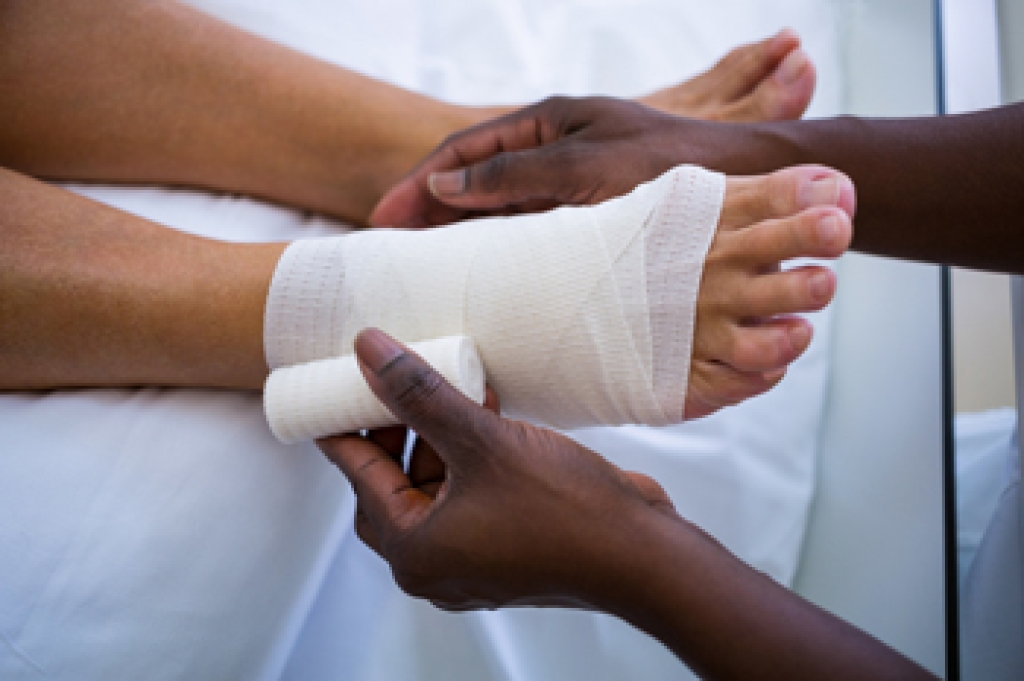
The best way to care for foot wounds is to prevent them. For diabetics, this means daily inspections of the feet for any signs of abnormalities or ulcers. It is also recommended to see a podiatrist several times a year for a foot inspection. If you do have an ulcer, run the wound under water to clear dirt from the wound; then apply antibiotic ointment to the wound and cover with a bandage. Bandages should be changed daily and keeping pressure off the wound is smart. It is advised to see a podiatrist, who can keep an eye on it.

If you have any questions please contact our office located in Chelan, WA . We offer the newest diagnostic and treatment technologies for all your foot and ankle needs.

Read more about Wound Care

Avoid Developing an Ingrown Toenail

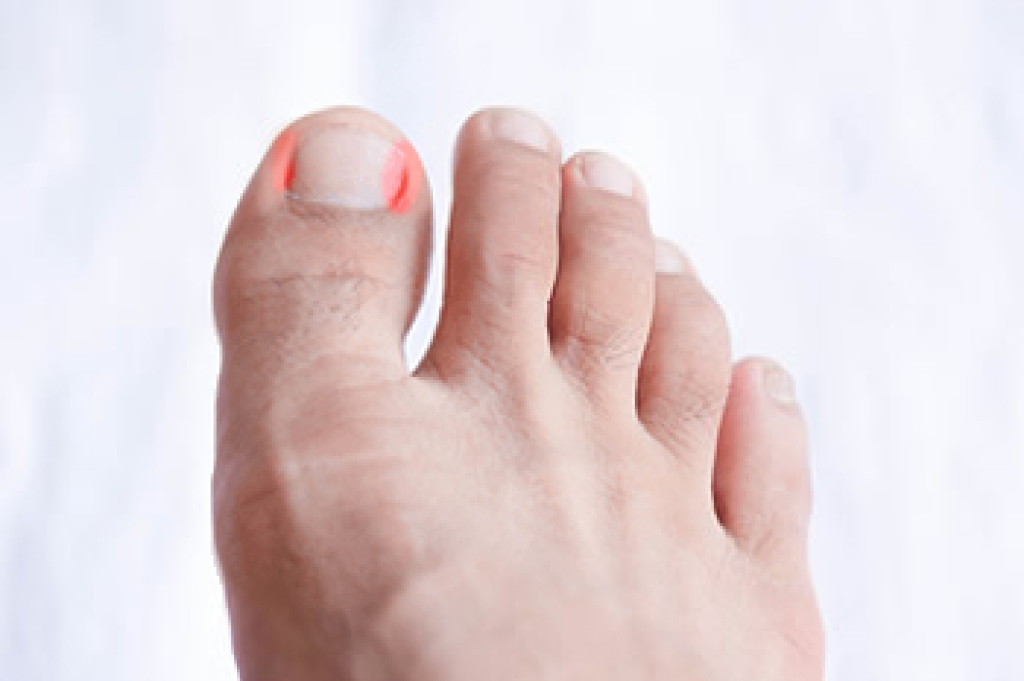
As many patients know, having an ingrown toenail can be extremely painful, and can often make completing everyday activities more difficult. To help prevent developing this uncomfortable condition, it’s important that certain precautions are taken while cutting your toenails. The first step for proper trimming starts with your technique. Nails should be trimmed straight across, avoiding making them rounded. They should also be trimmed just enough that the corners loosely sit on the skin, and not too short where they begin to dig into the skin. You also want to make sure that the clippers you’re using to trim your nails are specifically designed for the purpose of trimming toenails. Some signs that may indicate you’ve developed an ingrown toenail can include redness surrounding the skin of the affected toe, swelling, pain, and in more severe cases, you may notice pus around the nail. In order to safely treat an ingrown toenail, we recommend you consult with a podiatrist for professional care and attention.

Ingrown toenails can become painful if they are not treated properly. For more information about ingrown toenails, contact John Horlebein, DPM of Northern Cascades Foot & Ankle, LLC. Our doctor can provide the care you need to keep you pain-free and on your feet.

Ingrown Toenails

Ingrown toenails occur when a toenail grows sideways into the bed of the nail, causing pain, swelling, and possibly infection.

Causes

  • Bacterial infections
  • Improper nail cutting such as cutting it too short or not straight across
  • Trauma to the toe, such as stubbing, which causes the nail to grow back irregularly
  • Ill-fitting shoes that bunch the toes too close together
  • Genetic predisposition

Prevention

Wearing proper fitting shoes and using proper cutting techniques will also help decrease your risk of developing ingrown toenails.

Treatment

Ingrown toenails are a very treatable foot condition. In minor cases, soaking the affected area in salt or antibacterial soaps will not only help with the ingrown nail itself, but also help prevent any infections from occurring. In more severe cases, surgery is an option. In either case, speaking to your podiatrist about this condition will help you get a better understanding of specific treatment options that are right for you.

If you have any questions, please feel free to contact our office located in Chelan, WA . We offer the newest diagnostic and treatment technologies for all your foot care needs.
Read more about Ingrown Toenails

Why Live with Pain and Numbness in Your Feet?

Suffering from this type of pain? You may have the foot condition known as Morton's neuroma. Morton's neuroma may develop as a result of ill-fitting footwear and existing foot deformities. We can help.

Connect with us