


Plantar warts are small growths that develop on parts of the feet that bear weight. They're typically found on the bottom of the foot. Don't live with plantar warts, and call us today!
Plantar warts are small growths that develop on parts of the feet that bear weight. They're typically found on the bottom of the foot. Don't live with plantar warts, and call us today!
 Did you know that 80% of running injuries are caused by repetitive stress? Sudden injuries can occur too, such as torn muscles or sprained ankles. Luckily, there are steps that you can take to help prevent running injuries. Before you start your run, it is suggested that you warm up for 5-10 minutes by doing an easy jog or dynamic mobility stretches, like swinging your legs. When you are running, slowly increase the time and distance that you run. If possible, run on a soft surface like grass or sand. These soft surfaces are generally easier on your joints as opposed to running on the pavement. If you do sustain an injury, seek treatment right away and be sure to give your body adequate rest. Running with an injury could make the condition worse or cause new injuries to develop. For more information on how to prevent running injuries, consult with a podiatrist.
Exercising your feet regularly with the proper foot wear is a great way to prevent injuries. If you have any concerns about your feet, contact John Horlebein, DPM of Northern Cascades Foot & Ankle, LLC. Our doctor will treat your foot and ankle needs.
How to Prevent Running Injuries
Many common running injuries are caused by overuse and overtraining. When the back of the kneecap starts wearing out and starts causing pain in your knee, this is commonly referred to as runner’s knee. Runner’s knee is a decrease in strength in your quadriceps and can occur if you’re not wearing properly fitted or supporting shoes. To prevent runner’s knee, focusing on hip strengthening is a good idea, as well as strengthening your quads to keep the kneecaps aligned.
What Are Some Causes of Running Injuries?
- One cause of a common running injury is called iliotibial band syndrome.
- Plantar fasciitis is also another common injury.
- Stress fractures can occur from overtraining, lack of calcium, or even your running style.
Best Ways to Prevent Running Injuries
- Wear footwear that fits properly and suits your running needs.
- Running shoes are the only protective gear that runners have to safeguard them from injury.
- Make a training schedule. Adding strengthening exercises as well as regular stretching can help keep you strong and limber and can lessen the possibility of injuries.
- Stretching keeps muscles limber; this will help you gain better flexibility.
If you have any questions, please feel free to contact our office located in Chelan, WA . We offer the newest diagnostic and treatment technologies for all your foot care needs.

Gout often affects the feet because excess uric acid in the bloodstream can form sharp crystals that settle in joints, commonly the big toe, leading to sudden pain, swelling, and redness. Uric acid is normally filtered through the kidneys, but when the kidneys do not clear it well, levels rise. This can place joints in the feet at greater risk for gout flare-ups. Ongoing kidney problems can also make gout harder to control. Repeated joint inflammation in the toes or ankles can limit movement and change joint shape over time. People with long-standing gout sometimes develop firm deposits under the skin, called tophi, which can appear around the toes or ankles and interfere with walking. A podiatrist can evaluate foot joints, check for crystal buildup, and discuss treatment options to protect foot health. If you are experiencing flare-ups of gout, it is suggested that you make an appointment with a podiatrist for a diagnosis and suggested treatment.
Gout is a foot condition that requires certain treatment and care. If you are seeking treatment, contact John Horlebein, DPM from Northern Cascades Foot & Ankle, LLC. Our doctor will treat your foot and ankle needs.
What Is Gout?
Gout is a type of arthritis caused by a buildup of uric acid in the bloodstream. It often develops in the foot, especially the big toe area, although it can manifest in other parts of the body as well. Gout can make walking and standing very painful and is especially common in diabetics and the obese.
People typically get gout because of a poor diet. Genetic predisposition is also a factor. The children of parents who have had gout frequently have a chance of developing it themselves.
Gout can easily be identified by redness and inflammation of the big toe and the surrounding areas of the foot. Other symptoms include extreme fatigue, joint pain, and running high fevers. Sometimes corticosteroid drugs can be prescribed to treat gout, but the best way to combat this disease is to get more exercise and eat a better diet.
If you have any questions, please feel free to contact our office located in Chelan, WA . We offer the newest diagnostic and treatment technologies for all your foot care needs.
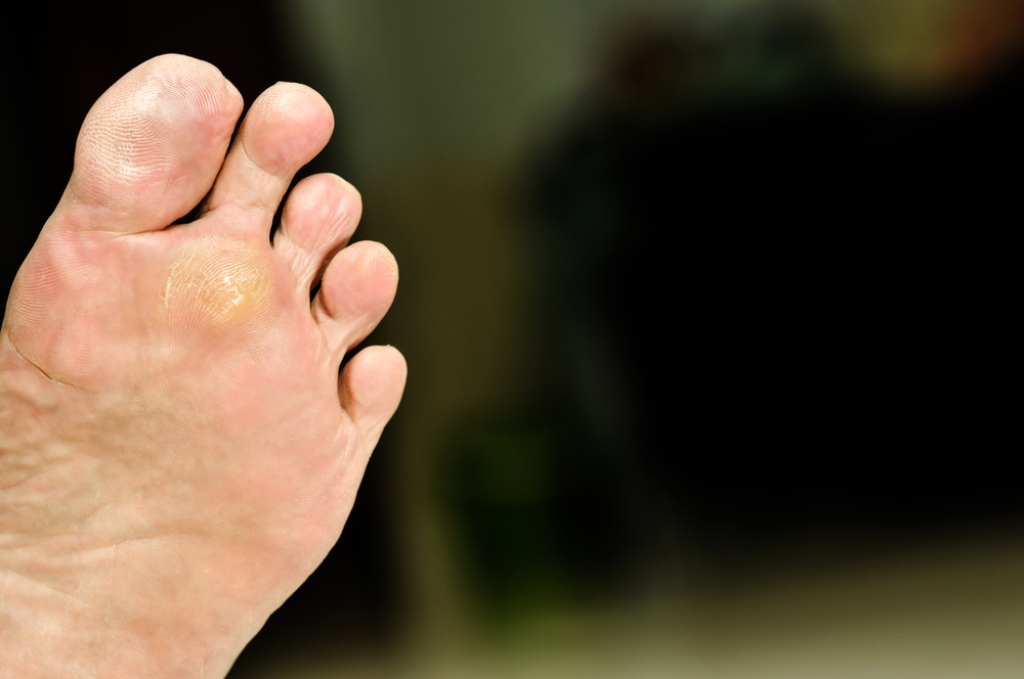
Plantar warts are small growths on the soles of the feet caused by the human papillomavirus, or HPV, which enters the skin through tiny cuts or abrasions. They are commonly found on weight bearing areas, such as the heels or balls of the feet. A plantar wart may appear as a rough, grainy patch with small black dots, which are tiny blood vessels. They can feel painful or tender, especially when walking or standing for long periods, and some may cause a feeling of pressure, like walking on a small pebble. Plantar warts are more common in children and young adults, and they can spread through direct contact with contaminated surfaces like locker rooms or swimming pool areas. A podiatrist can evaluate the lesion to confirm the diagnosis and rule out other conditions. Treatments may include topical therapies or minor surgical removal. Early intervention helps reduce discomfort and prevent spreading. If you notice persistent growths on your feet, it is suggested that you make an appointment with a podiatrist.
Plantar warts can be very uncomfortable. If you need your feet checked, contact John Horlebein, DPM from Northern Cascades Foot & Ankle, LLC. Our doctor will assist you with all of your foot and ankle needs.
About Plantar Warts
Plantar warts are the result of HPV, or human papillomavirus, getting into open wounds on the feet. They are mostly found on the heels or balls of the feet.
While plantar warts are generally harmless, those experiencing excessive pain or those suffering from diabetes or a compromised immune system require immediate medical care. Plantar warts are easily diagnosed, usually through scraping off a bit of rough skin or by getting a biopsy.
Symptoms
Treatment
To help prevent developing plantar warts, avoid walking barefoot over abrasive surfaces that can cause cuts or wounds for HPV to get into. Avoiding direct contact with other warts, as well as not picking or rubbing existing warts, can help prevent the further spread of plantar warts. However, if you think you have developed plantar warts, speak to your podiatrist. He or she can diagnose the warts on your feet and recommend the appropriate treatment options.
If you have any questions, please feel free to contact our office located in Chelan, WA . We offer the newest diagnostic and treatment technologies for all your foot care needs.
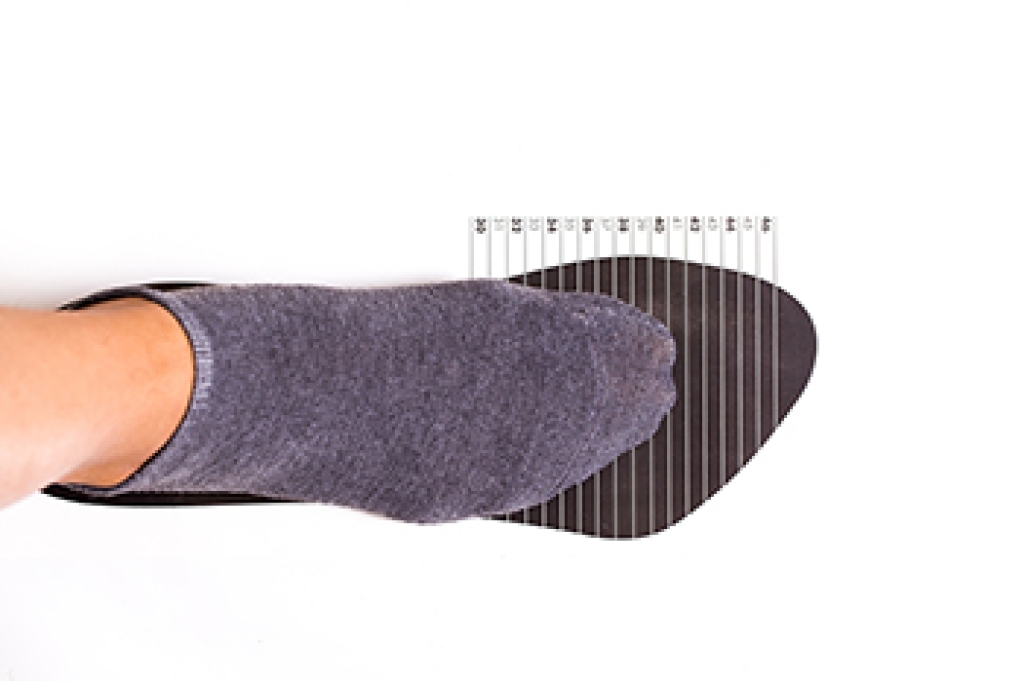
Many people wear the wrong shoe size without realizing it, often because feet change over time. Weight fluctuations, pregnancy, aging, and medical conditions can cause the feet to spread or flatten, altering both length and width. Wearing shoes that are too small can lead to blisters, bunions, corns, and chronic pain, while shoes that are too large may cause instability or friction that leads to calluses and nail problems. Manufacturers’ sizing also varies, meaning your size can differ between brands or styles. It is helpful to have your feet measured regularly, especially if you notice discomfort, shifting toenails, or uneven wear on your shoes. If your shoes no longer feel supportive or you are developing foot pain, it is suggested that you see a podiatrist to assess your foot structure and ensure proper fit and comfort of shoes.
Getting the right shoe size is an important part of proper foot health. Seek the assistance of John Horlebein, DPM from Northern Cascades Foot & Ankle, LLC. Our doctor will provide the care you need to keep you pain-free and on your feet.
Getting the Right Shoe Size
There are many people who wear shoes that are the incorrect size, negatively affecting their feet and posture. Selecting the right shoes is not a difficult process, so long as you keep several things in mind when it comes to choosing the right pair.
As our feet hold our body weight and keep us moving, it is important to treat them right. Picking the right pair of shoes can provide your feet comfort and mobility without pain.
If you have any questions, please feel free to contact our office located in Chelan, WA . We offer the newest diagnostic and treatment technologies for all your foot care needs.