
Dr. Horlebein will be joining Advanced Regional Ankle & Foot Care LLC as a full time physician in Altoona PA, as of June 1st 2023. Feel free to call our office with any scheduling inquires/questions!

Blog

What Can You Do to Improve Poor Circulation?

Poor circulation may occur when there is an insufficient amount of blood flow to a particular region of the body, commonly affecting the feet. Patients with poor circulation have noticed symptoms including numbness, muscle cramps, and throbbing or tingling pains. Poor circulation may also be an indicator for possible nerve damage. One of the more serious symptoms caused by poor circulation is a loss of feeling in the feet. This can be incredibly dangerous, especially if you have developed a harmful foot condition and can not feel the symptoms that would lead you to seek help and get care. To help improve poor circulation, it’s recommended that you increase your mobility and practice a more active lifestyle. Elevating the feet is another tip to help improve poor circulation, as it makes it easier for your body to pump blood away from the feet and back up to the heart. Making sure you stay hydrated throughout the day, managing your blood sugar levels, and implementing more foods that are rich in iron into your diet, may all help to improve circulation as well. For more advice on how to improve poor circulation, we recommend you speak with a podiatrist for professional care.

While poor circulation itself isn’t a condition; it is a symptom of another underlying health condition you may have. If you have any concerns with poor circulation in your feet contact John Horlebein, DPM of Northern Cascades Foot & Ankle, LLC. Our doctor will treat your foot and ankle needs.

Poor Circulation in the Feet

Peripheral artery disease (PAD) can potentially lead to poor circulation in the lower extremities. PAD is a condition that causes the blood vessels and arteries to narrow. In a linked condition called atherosclerosis, the arteries stiffen up due to a buildup of plaque in the arteries and blood vessels. These two conditions can cause a decrease in the amount of blood that flows to your extremities, therefore resulting in pain.

Symptoms

Some of the most common symptoms of poor circulation are:

  • Numbness
  • Tingling
  • Throbbing or stinging pain in limbs
  • Pain
  • Muscle Cramps

Treatment for poor circulation often depends on the underlying condition that causes it. Methods for treatment may include insulin for diabetes, special exercise programs, surgery for varicose veins, or compression socks for swollen legs.

As always, see a podiatrist as he or she will assist in finding a regimen that suits you. A podiatrist can also prescribe you any needed medication. 

If you have any questions, please feel free to contact our office located in Chelan, WA . We offer the newest diagnostic and treatment technologies for all your foot care needs.
Read more about Causes Symptoms and Treatment for Poor Circulation in the Feet

Massages Are a Form of Foot Therapy

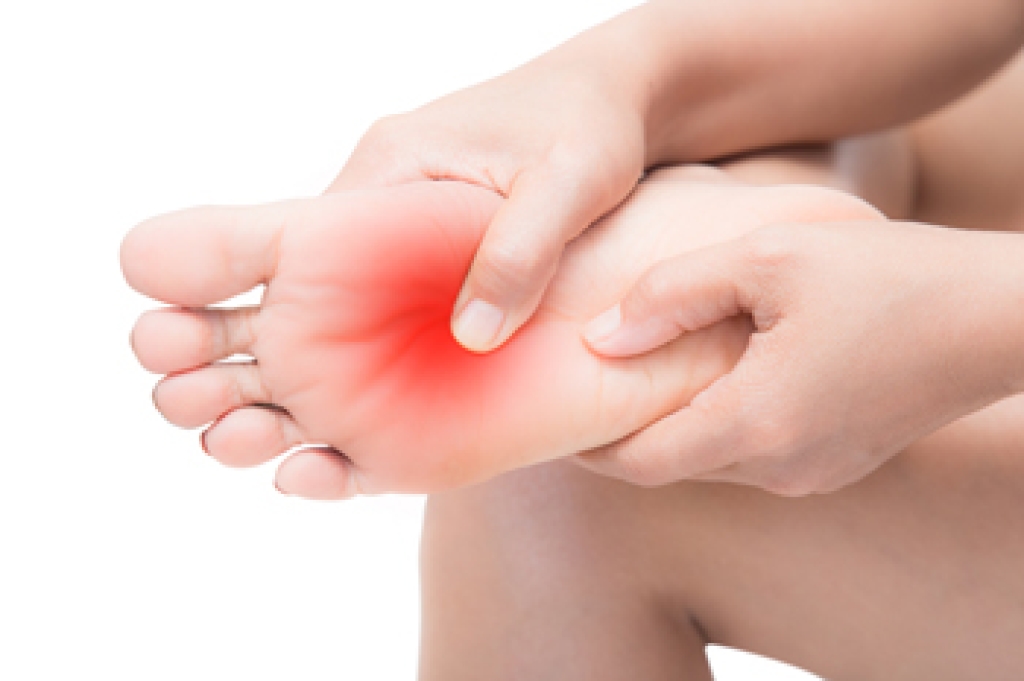
Many patients enjoy a specific type of foot therapy which is known as a massage. Research has indicated that massaging the feet may help to relax the body. An effective way to begin a foot massage is to perform warm up twists. This consists of placing the hands on both sides of the feet, and gently twisting back and forth. The bottom of the foot can feel better when arch rubs are performed. Flexibility may be improved with toe bends, in addition to spreading the toes, and squeezing the heel. If you would like additional information about the benefits of foot massages, please consult with a podiatrist.

Foot therapy is often necessary for those recovering from either foot deformities or foot injuries. If you have concerns regarding therapy, consult with John Horlebein, DPM from Northern Cascades Foot & Ankle, LLC. Our doctor can provide the care you need to keep you pain-free and on your feet.

Most Common Injuries

People who are active or athletes are prone to a variety of injuries. Therefore, it is often important to take part in physical therapy in order to quickly get back on the right track. 

What to Do When Injured

Physical Therapy – This specialized treatment will focus on the affected area, speeding up recovery and the overall healing process. It is a proven method that has helped millions of people return from any injury.

During physical therapy you will undergo regimented training to get back into full form. Training is often very difficult, especially at first when the foot feels weak. Physical therapy often involves:

Basic stretching and twisting exercises – getting the feet’s mobility and flexibility up.

Massaging – the therapist will massage the injured area in order to activate the muscles and relax them.

Strengthening Exercises – this allows the muscles in the affected area to regain their full strength, a vital step towards full recovery.

If you have any questions, please feel free to contact our office located in Chelan, WA . We offer the newest diagnostic and treatment technologies for all your foot care needs.
Read more about Foot Therapy for Sports Injuries

How Different Types of Arthritis Can Affect the Feet

There are more than thirty joints in each foot. If you feel pain in your feet, it may be indicative of arthritis. There are different types of this condition that may gradually develop. The most common form of arthritis is referred to as osteoarthritis, and typically affects one joint.  Rheumatoid arthritis can be the result of an autoimmune disease, and symptoms can be seen in the ankle and foot. Sudden and severe pain in the big toe may indicate gout, which can come from genetic factors, or from foods that are eaten. Psoriatic arthritis generally affects the toes, and can cause swelling. Additional symptoms can include bumps forming on the toes from rubbing together, and it may be difficult to move the toes. Some patients notice their toenails are affected, and the toes may curl. If you feel you have any type of arthritis in your feet, please schedule an appointment with a podiatrist as quickly as possible.

Arthritis can be a difficult condition to live with. If you are seeking treatment, contact John Horlebein, DPM from Northern Cascades Foot & Ankle, LLC. Our doctor can provide the care you need to keep you pain-free and on your feet.

Arthritic Foot Care  

Arthritis is a joint disorder that involves the inflammation of different joints in your body, such as those in your feet. Arthritis is often caused by a degenerative joint disease and causes mild to severe pain in all affected areas. In addition to this, swelling and stiffness in the affected joints can also be a common symptom of arthritis.

In many cases, wearing ill-fitting shoes can worsen the effects and pain of arthritis. Wearing shoes that have a lower heel and extra room can help your feet feel more comfortable. In cases of rheumatoid arthritis, the arch in your foot may become problematic. Buying shoes with proper arch support that contour to your feet can help immensely.

Alleviating Arthritic Pain

  • Exercises that stretch the foot can prevent further pain and injury and increase mobility
  • Most of the pain can be alleviated with anti-inflammatory drugs, heat, and topical medications
  • Massages can help temporarily alleviate pain.

It is best to see your doctor for the treatment that is right for your needs and symptoms. Conditions vary, and a podiatrist can help you determine the right method of care for your feet.

If you have any questions please feel free to contact our office located in Chelan, WA . We offer the newest diagnostic tools and technology to treat your foot and ankle needs.

Read more about Arthritic Foot Care

How High Heels May Lead to Morton’s Neuroma

Morton’s neuroma is a foot condition that involves the feet developing the sensation of numbness, or a lack of feeling. Those who frequently wear high heels run the risk of pushing the toe bones against the nerve, increasing their chances of developing Morton’s neuroma. Because high heels are often tightly fitted, the circulation of blood flow that the feet require may be lessened due to the popular footwear. Those with Morton’s neuroma often report having foot pain, and feel as if there is a pebble in their shoe while walking, along with a stinging sensation. It is advised to vary the amount of times you wear high heels throughout the week to lessen your chances of developing this condition. For a proper diagnosis and advised treatment plan, we recommend that you consult with a podiatrist for professional care.

Morton’s neuroma is a very uncomfortable condition to live with. If you think you have Morton’s neuroma, contact John Horlebein, DPM of Northern Cascades Foot & Ankle, LLC. Our doctor will attend to all of your foot care needs and answer any of your related questions.  

Morton’s Neuroma

Morton's neuroma is a painful foot condition that commonly affects the areas between the second and third or third and fourth toe, although other areas of the foot are also susceptible. Morton’s neuroma is caused by an inflamed nerve in the foot that is being squeezed and aggravated by surrounding bones.

What Increases the Chances of Having Morton’s Neuroma?

  • Ill-fitting high heels or shoes that add pressure to the toe or foot
  • Jogging, running or any sport that involves constant impact to the foot
  • Flat feet, bunions, and any other foot deformities

Morton’s neuroma is a very treatable condition. Orthotics and shoe inserts can often be used to alleviate the pain on the forefront of the feet. In more severe cases, corticosteroids can also be prescribed. In order to figure out the best treatment for your neuroma, it’s recommended to seek the care of a podiatrist who can diagnose your condition and provide different treatment options.

If you have any questions, please feel free to contact our office located in Chelan, WA . We offer the newest diagnostic and treatment technologies for all your foot care needs.

Read more about Morton's Neuroma

Do Your Child's Feet Hurt?

Have your child's feet been examined lately? Healthy feet are happy feet. If your child is complaining of foot pain, it may be a sign of underlying problems.

Connect with us