
Dr. Horlebein will be joining Advanced Regional Ankle & Foot Care LLC as a full time physician in Altoona PA, as of June 1st 2023. Feel free to call our office with any scheduling inquires/questions!

Blog

Risk Factors for Heel Spurs

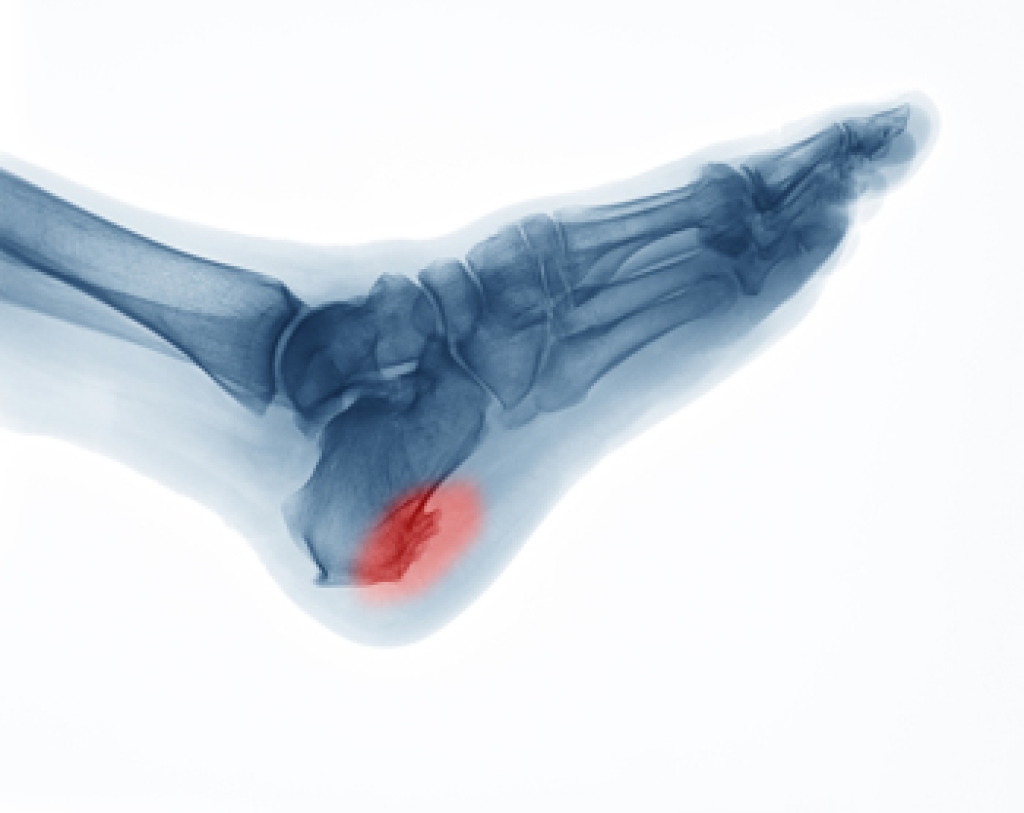
Heel spurs are caused by calcium deposits that build up beneath the heel. These calcium deposits cause bony protrusions that can cause discomfort or pain. There are some risk factors that increase the chances of developing a heel spur, and one of these risk factors is participating in athletic activities. For example, running and jumping can strain the heel and arch of the foot. If the heel is exposed to trauma, that also increases the risk of a heel spur; trauma usually involves the bruising or tearing of the membrane that covers the heel. Gender, age, and weight also affect the likelihood of developing heel spurs. Heel spurs are more common in women than men; and the older an individual is, the more at risk they are. Obesity can also be linked to heel spurs due to the additional pressure being placed on the foot. If you think you may have a heel spur, speak with a podiatrist for a proper diagnosis and to learn about treatment. 

Heel spurs can be incredibly painful and sometimes may make you unable to participate in physical activities. To get medical care for your heel spurs, contact John Horlebein, DPM from Northern Cascades Foot & Ankle, LLC. Our doctor will do everything possible to treat your condition.

Heels Spurs

Heel spurs are formed by calcium deposits on the back of the foot where the heel is. This can also be caused by small fragments of bone breaking off one section of the foot, attaching onto the back of the foot. Heel spurs can also be bone growth on the back of the foot and may grow in the direction of the arch of the foot.

Older individuals usually suffer from heel spurs and pain sometimes intensifies with age. One of the main condition's spurs are related to is plantar fasciitis.

Pain

The pain associated with spurs is often because of weight placed on the feet. When someone is walking, their entire weight is concentrated on the feet. Bone spurs then have the tendency to affect other bones and tissues around the foot. As the pain continues, the feet will become tender and sensitive over time.

Treatments

There are many ways to treat heel spurs. If one is suffering from heel spurs in conjunction with pain, there are several methods for healing. Medication, surgery, and herbal care are some options.

If you have any questions, please feel free to contact our office located in Chelan, WA . We offer the newest diagnostic and treatment technologies for all your foot care needs.
Read more about Heel Spurs

How Do High Heels Affect the Feet?

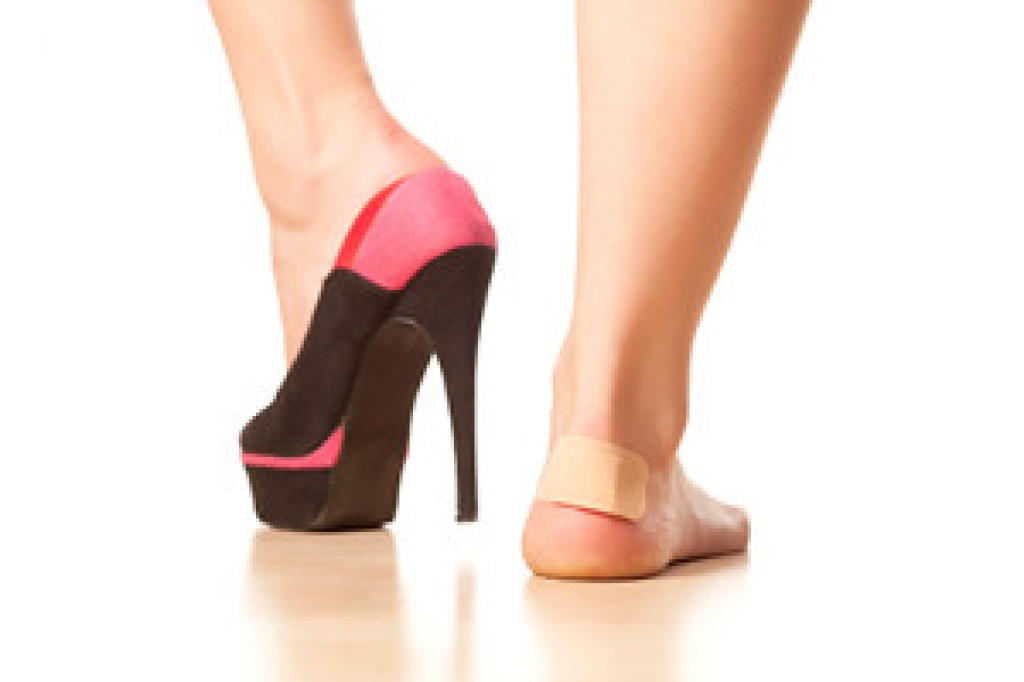
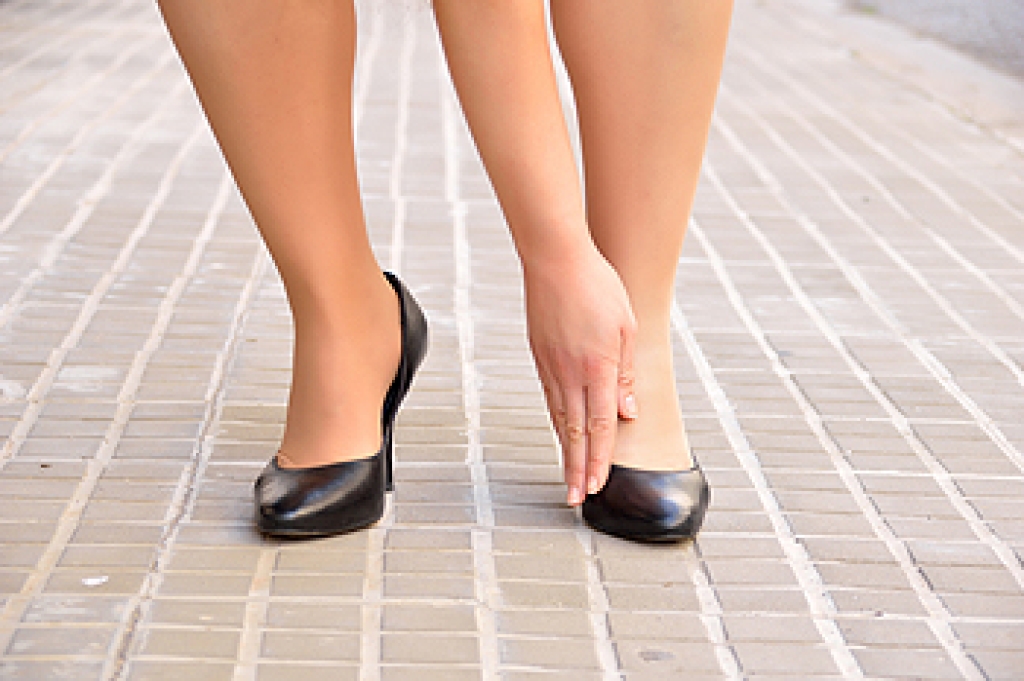
Many women who enjoy wearing high heels may be unaware of the possible harm these types of shoes may do to the feet. When high heels are worn, the weight of the body may get shifted to the joint under the big toe. This may result in the formation of a bunion, which is characterized by a bony protrusion on the side of the big toe. Corns and calluses may form on the bottom of the foot and may result in metatarsalgia. This type of pain is typically felt in the ball of the foot. If you have pain in your heel and surrounding areas, it may lead to a condition that is referred to as plantar fasciitis. It may be similar to the pain and discomfort that is experienced with heel spurs, and both conditions may develop as a result of frequently wearing high heels. If you have any of these symptoms, please consult with a podiatrist who can guide you toward proper treatment.

High heels have a history of causing foot and ankle problems. If you have any concerns about your feet or ankles, contact John Horlebein, DPM from Northern Cascades Foot & Ankle, LLC. Our doctor can provide the care you need to keep you pain-free and on your feet.

Effects of High Heels on the Feet

High heels are popular shoes among women because of their many styles and societal appeal.  Despite this, high heels can still cause many health problems if worn too frequently.

Which Parts of My Body Will Be Affected by High Heels?

  • Ankle Joints
  • Achilles Tendon – May shorten and stiffen with prolonged wear
  • Balls of the Feet
  • Knees – Heels cause the knees to bend constantly, creating stress on them
  • Back – They decrease the spine’s ability to absorb shock, which may lead to back pain.  The vertebrae of the lower back may compress.

What Kinds of Foot Problems Can Develop from Wearing High Heels?

  • Corns
  • Calluses
  • Hammertoe
  • Bunions
  • Morton’s Neuroma
  • Plantar Fasciitis

How Can I Still Wear High Heels and Maintain Foot Health?

If you want to wear high heeled shoes, make sure that you are not wearing them every day, as this will help prevent long term physical problems.  Try wearing thicker heels as opposed to stilettos to distribute weight more evenly across the feet.  Always make sure you are wearing the proper shoes for the right occasion, such as sneakers for exercising.  If you walk to work, try carrying your heels with you and changing into them once you arrive at work.  Adding inserts to your heels can help cushion your feet and absorb shock. Full foot inserts or metatarsal pads are available. 

If you have any questions, please feel free to contact our office located in Chelan, WA . We offer the newest diagnostic and treatment technologies for all your foot care needs.
Read more about Effect of High Heels on the Feet

Have I Broken My Foot?

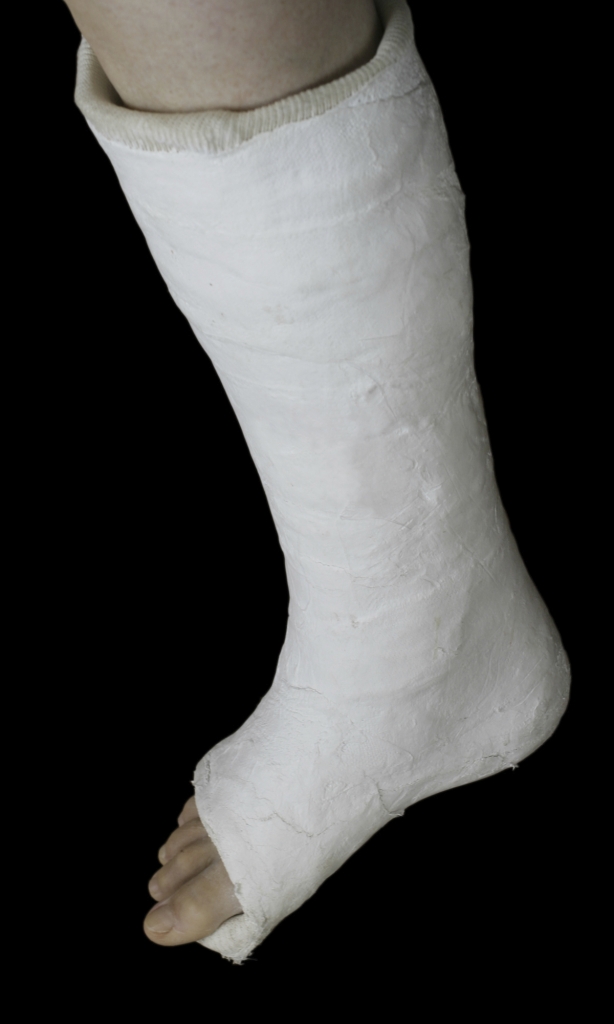
If you have fallen or twisted your ankle, you may have broken your foot. There are numerous bones, ligaments and tendons that are located in each foot, and one or more may easily fracture if falling occurs. There are several symptoms that may be associated with a broken foot. These may include pain and discomfort, swelling, bruising, or difficulty in walking. In severe fractures, the bones may become dislocated, and may protrude through the skin. It is important to obtain a proper diagnosis, which may be accomplished by having an X-ray performed. This is followed by beginning the correct treatment, which may consist of wearing a supportive boot or cast. This may help to immobilize the foot so the healing process can begin. If you feel you have broken your foot, it is recommended to consult with a podiatrist who can properly diagnosis and offer correct treatment options.

A broken foot requires immediate medical attention and treatment. If you need your feet checked, contact John Horlebein, DPM from Northern Cascades Foot & Ankle, LLC. Our doctor can provide the care you need to keep you pain-free and on your feet.

Broken Foot Causes, Symptoms, and Treatment

A broken foot is caused by one of the bones in the foot typically breaking when bended, crushed, or stretched beyond its natural capabilities. Usually the location of the fracture indicates how the break occurred, whether it was through an object, fall, or any other type of injury. 

Common Symptoms of Broken Feet:

  • Bruising
  • Pain
  • Redness
  • Swelling
  • Blue in color
  • Numbness
  • Cold
  • Misshapen
  • Cuts
  • Deformities

Those that suspect they have a broken foot shoot seek urgent medical attention where a medical professional could diagnose the severity.

Treatment for broken bones varies depending on the cause, severity and location. Some will require the use of splints, casts or crutches while others could even involve surgery to repair the broken bones. Personal care includes the use of ice and keeping the foot stabilized and elevated.

If you have any questions, please feel free to contact our office located in Chelan, WA . We offer the newest diagnostic and treatment technologies for all your foot care needs.

Read more about Causes, Symptoms, and Treatment for a Broken Foot

Possible Foot Conditions May Develop from Standing

If you work on your feet and stand for the majority of the day, it is important to take care of your feet by choosing the correct shoes. They should have adequate arch support and the heel should be two inches or lower. There are several people who stand in one position for extended periods of time, and this may diminish blood flow to the muscles. Additionally, there may be other conditions that can develop from standing while you’re working. These may include swollen feet, plantar fasciitis, or Achilles tendinitis. It may be beneficial to take breaks which allows you to sit down and rest your feet as frequently as possible. Anti-fatigue mats may be helpful in providing extra support and cushioning that the feet need, and many people find it advantageous to wear cotton socks which are more breathable than nylons. If you would like additional information about how to take care of your feet while working, please speak to a podiatrist who can properly assist you.

While working on the feet, it is important to take the proper care of them. For more information about working on your feet, contact John Horlebein, DPM from Northern Cascades Foot & Ankle, LLC. Our doctor will treat your foot and ankle needs.

Working on Your Feet

Standing on your feet for long periods of time can cause stress and pain in your feet. Your whole body may experience change in terms of posture, back pain, bunions, callouses and or plantar warts. There are ways to avoid these conditions with proper foot care, smart choices and correct posture.

Positive Changes

Negative heeled shoe – Choosing this shoe type places the heel slightly lower than the ball of the foot. These are great for overall foot health. Find shoes that fit you correctly.

Go barefoot – Our feet were not designed to be enclosed for all hours of the day. Try to periodically expose your feet to air.

Eliminate Pain

Foot Exercises – Performing simple exercises, incorporating yoga and doing stretches are beneficial. This will allow increased blood flow to the area and muscles of the foot.

Achilles tendon – Stretching the foot out flat on the floor will relax the calf muscles and tendon. These exercises can be performed almost anywhere. Make sure you add these exercises to your daily regimen. 

With a little bit of this information and knowing more about foot health, you will notice changes. Foot stretches and proper footwear will help with pain and prevent further issues.

If you have any questions please contact our office located in Chelan, WA . We offer the newest diagnostic and treatment technologies for all your foot and ankle needs.

Read more about Working on Your Feet
Connect with us