
Dr. Horlebein will be joining Advanced Regional Ankle & Foot Care LLC as a full time physician in Altoona PA, as of June 1st 2023. Feel free to call our office with any scheduling inquires/questions!

Blog

Causes of Foot Pain While Cycling

Foot pain while cycling is a common issue often linked to shoes, pedals, and lack of proper support. Cycling shoes that are too tight or poorly fitted can restrict circulation and cause hot feet, numbness, or burning sensations. Pedals that do not match foot position or riding style may increase pressure on sensitive areas. A well-supported foot is essential for even force distribution and efficient movement. Without proper support, cyclists may experience arch pain or pain in the ball of the foot during or after rides. These issues can affect performance and comfort. A podiatrist can evaluate foot structure and shoe fit, in addition to recommending proper footwear or custom support. If cycling causes ongoing foot pain, it is suggested that you consult a podiatrist who can treat various foot conditions, and guide you on the correct shoes to wear for cycling.

Ankle and foot injuries are common among athletes and in many sports. They can be caused by several problems and may be potentially serious. If you are feeling pain or think you were injured in a sporting event or when exercising, consult with John Horlebein, DPM from Northern Cascades Foot & Ankle, LLC. Our doctor will assess your condition and provide you with quality foot and ankle treatment.

Common Injuries

The most common injuries that occur in sporting activities include:

  • Achilles Tendonitis
  • Achilles Tendon Rupture
  • Ankle Sprains
  • Broken Foot
  • Plantar Fasciitis
  • Stress Fractures
  • Turf Toe

Symptoms

Symptoms vary depending upon the injury and in some cases, there may be no symptoms at all. However, in most cases, some form of symptom is experienced. Pain, aching, burning, bruising, tenderness, tightness or stiffness, sensation loss, difficulty moving, and swelling are the most common symptoms.

Treatment

Just as symptoms vary depending upon the injury, so do treatment options. A common treatment method is known as the RICE method. This method involves rest, applying ice, compression and elevating the afflicted foot or ankle. If the injury appears to be more serious, surgery might be required, such as arthroscopic or reconstructive surgery. Lastly, rehabilitation or therapy might be needed to gain full functionality in the afflicted area. Any discomfort experienced by an athlete must be evaluated by a licensed, reputable medical professional.  

If you have any questions please contact our office located in Chelan, WA . We offer the newest diagnostic and treatment technologies for all your foot and ankle needs.
Read more about Sports Related Foot and Ankle Injuries

Foot Blisters and Prevention Tips

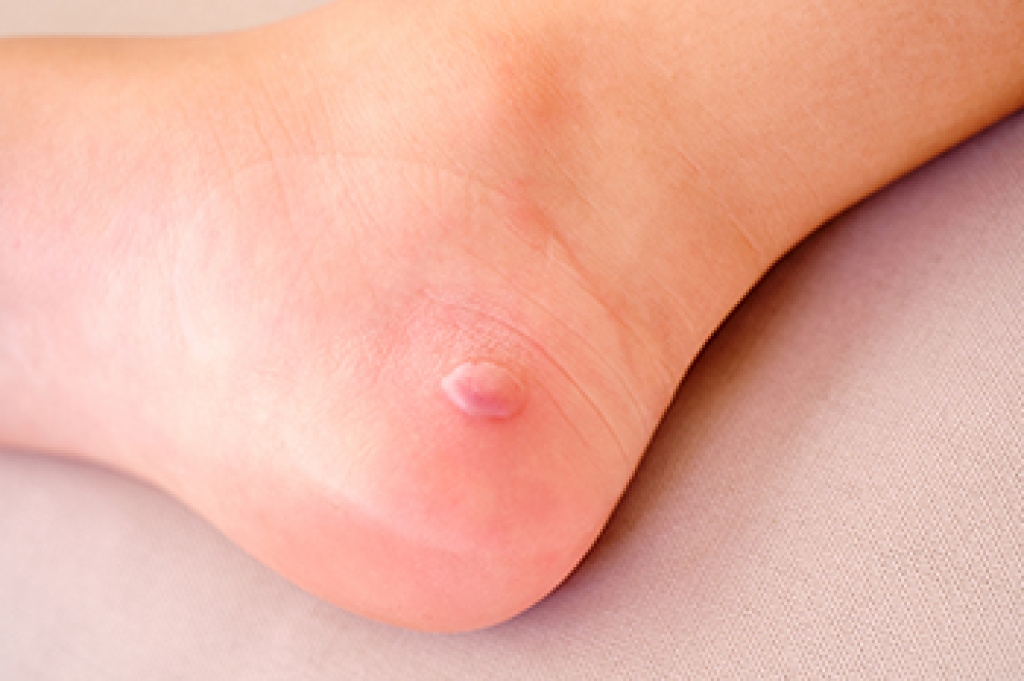
A foot blister is a small, fluid filled bubble that forms on the skin, often due to friction or pressure. They commonly develop from wearing poorly fitted shoes, excessive walking or running, and repetitive movements that rub the skin. Symptoms include redness, swelling, pain, and tenderness that can make standing or walking uncomfortable. Prevention tips include wearing properly fitted shoes, moisture-wicking socks, and using protective padding in areas prone to rubbing. Maintaining dry and healthy feet also helps reduce risk. A podiatrist can provide treatment for painful or persistent blisters, address underlying causes, and recommend strategies to prevent recurrence. If you have an uncomfortable foot blister, it is suggested that you consult a podiatrist who can offer effective relief and prevention options.

Blisters are prone to making everyday activities extremely uncomfortable. If your feet are hurting, contact John Horlebein, DPM of Northern Cascades Foot & Ankle, LLC. Our doctor can provide the care you need to keep you pain-free and on your feet.

Foot Blisters

Foot blisters develop as a result of constantly wearing tight or ill-fitting footwear. This happens due to the constant rubbing from the shoe, which can often lead to pain.

What Are Foot Blisters?

A foot blister is a small fluid-filled pocket that forms on the upper-most layer of the skin. Blisters are filled with clear fluid and can lead to blood drainage or pus if the area becomes infected.

How Do Blisters Form?

Blisters on the feet are often the result of constant friction of skin and material, usually by shoe rubbing. Walking in sandals, boots, or shoes that don’t fit properly for long periods of time can result in a blister. Having consistent foot moisture and humidity can easily lead to blister formation.

Prevention & Treatment

It is important to properly care for the affected area in order to prevent infection and ease the pain. Do not lance the blister and use a Band-Aid to provide pain relief. Also, be sure to keep your feet dry and wear proper fitting shoes. If you see blood or pus in a blister, seek assistance from a podiatrist.

If you have any questions, please feel free to contact our office located in Chelan, WA . We offer the newest diagnostic and treatment technologies for all your foot care needs.

Read more about Blisters

Traits of Walking and Running Shoes

Walking and running shoes are designed differently to accommodate unique foot mechanics and movement patterns. Walking shoes distribute weight more evenly across the foot, offer moderate cushioning, and typically have a lower, more stable heel flare for balance. Running shoes are built for forward motion, with increased cushioning to absorb impact, a higher heel to support stride, and more responsiveness and flexibility to handle repeated high force. Choosing the correct shoe type reduces fatigue, prevents injury, and supports natural foot function. A podiatrist can assess gait, recommend appropriate footwear, and prescribe custom orthotics if needed to optimize performance and comfort. If you have foot pain, it is suggested that you consult a podiatrist who can treat various foot and ankle conditions, and guide you on the right type of shoes to wear for your desired activity.

For more information about walking shoes versus running shoes, consult with John Horlebein, DPM from Northern Cascades Foot & Ankle, LLC. Our doctor can measure your feet to determine what your needs are and help you find an appropriate pair of footwear.

Foot Health: The Differences between Walking & Running Shoes

There are great ways to stay in shape: running and walking are two great exercises to a healthy lifestyle. It is important to know that running shoes and walking shoes are not interchangeable. There is a key difference on how the feet hit the ground when someone is running or walking. This is why one should be aware that a shoe is designed differently for each activity.

You may be asking yourself what the real differences are between walking and running shoes and the answers may shock you.

Differences

Walking doesn’t involve as much stress or impact on the feet as running does. However, this doesn’t mean that you should be any less prepared. When you’re walking, you land on your heels and have your foot roll forward. This rolling motion requires additional support to the feet.

Flexibility – Walking shoes are designed to have soft, flexible soles. This allows the walker to push off easily with each step.

If you have any questions, please feel free to contact our office located in Chelan, WA . We offer the newest diagnostic and treatment technologies for all your foot care needs.

Read more about Choosing the Right Running Shoe

Telltale Clues of an Athlete’s Foot Infection

Athlete’s foot often begins with subtle changes that are easy to overlook. Many people first notice mild itching between the toes or a soft, soggy feeling in the skin after wearing closed shoes for long periods of time. The skin may start to peel slightly, look pinker than usual, or develop small cracks that sting when touched. As the condition progresses, a faint odor or a burning sensation can appear, especially after activity or when removing socks. These early signs are important to catch because treating the infection promptly helps prevent it from spreading to other toes or the toenails. A podiatrist can confirm the diagnosis, recommend treatments that target the fungus, and provide guidance on keeping the feet dry and protected. If the irritation continues or worsens despite initial care, it is suggested that you see a podiatrist for effective treatment solutions, which may include prescribed medication.

Athlete’s Foot

Athlete’s foot is often an uncomfortable condition to experience. Thankfully, podiatrists specialize in treating athlete’s foot and offer the best treatment options. If you have any questions about athlete’s foot, consult with John Horlebein, DPM from Northern Cascades Foot & Ankle, LLC. Our doctor will assess your condition and provide you with quality treatment.

What Is Athlete’s Foot?

Tinea pedis, more commonly known as athlete’s foot, is a non-serious and common fungal infection of the foot. Athlete’s foot is contagious and can be contracted by touching someone who has it or infected surfaces. The most common places contaminated by it are public showers, locker rooms, and swimming pools. Once contracted, it grows on feet that are left inside moist, dark, and warm shoes and socks.

Prevention

The most effective ways to prevent athlete’s foot include:

  • Thoroughly washing and drying feet
  • Avoid going barefoot in locker rooms and public showers
  • Using shower shoes in public showers
  • Wearing socks that allow the feet to breathe
  • Changing socks and shoes frequently if you sweat a lot

Symptoms

Athlete’s foot initially occurs as a rash between the toes. However, if left undiagnosed, it can spread to the sides and bottom of the feet, toenails, and if touched by hand, the hands themselves. Symptoms include:

  • Redness
  • Burning
  • Itching
  • Scaly and peeling skin

Diagnosis and Treatment

Diagnosis is quick and easy. Skin samples will be taken and either viewed under a microscope or sent to a lab for testing. Sometimes, a podiatrist can diagnose it based on simply looking at it. Once confirmed, treatment options include oral and topical antifungal medications.

If you have any questions, please feel free to contact our office located in Chelan, WA . We offer the newest diagnostic and treatment technologies for all your foot care needs.

Read more about How to Deal with Athlete's Foot

Types of Bunion Surgery

Bunion surgery is used to correct a painful bony bump that forms at the base of the big toe and interferes with normal foot alignment. Several types of bunion surgery exist depending on severity and joint condition. An exostectomy involves removing the enlarged bone to reduce pressure and irritation. An osteotomy corrects the deformity by cutting and realigning the bone to restore proper positioning, and arthrodesis, used for more advanced cases, involves fusing the joint to relieve pain and improve stability. Each approach is selected to reduce discomfort and improve function. A podiatrist evaluates foot structure, symptoms, and lifestyle needs to determine the most appropriate surgical or nonsurgical care. If bunion pain is limiting walking or daily activities, it is suggested that you schedule a consultation with a podiatrist to explore treatment options and steps toward lasting foot relief.

Foot surgery is sometimes necessary to treat a foot ailment. To learn more, contact John Horlebein, DPM of Northern Cascades Foot & Ankle, LLC. Our doctor will assist you with all of your foot and ankle needs.

When Is Surgery Necessary?

Foot and ankle surgery is generally reserved for cases in which less invasive, conservative procedures have failed to alleviate the problem. Some of the cases in which surgery may be necessary include:

  • Removing foot deformities like bunions and bone spurs
  • Severe arthritis that has caused bone issues
  • Cosmetic reconstruction

What Types of Surgery Are There?

The type of surgery you receive will depend on the nature of the problem you have. Some of the possible surgeries include:

  • Bunionectomy for painful bunions
  • Surgical fusion for realignment of bones
  • Neuropathy decompression surgery to treat nerve damage

Benefits of Surgery

Although surgery is usually a last resort, it can provide more complete pain relief compared to non-surgical methods and may allow you to finally resume full activity.

Surgical techniques have also become increasingly sophisticated. Techniques like endoscopic surgery allow for smaller incisions and faster recovery times.

If you have any questions, please feel free to contact our office located in Chelan, WA . We offer the newest diagnostic and treatment technologies for all your foot care needs.

Read more about Foot Surgery
Connect with us