


If you are suffering from tenderness, pain, or stiffness in the joints of your feet or ankles, call us to schedule an appointment.
If you are suffering from tenderness, pain, or stiffness in the joints of your feet or ankles, call us to schedule an appointment.

Sever’s disease is a common cause of heel pain in active children and adolescents, especially during growth spurts when the heel bone develops faster than the surrounding muscles and tendons. This condition is caused by inflammation of the growth plate at the back of the heel, often triggered by repetitive stress from running, jumping, or playing sports. It may look like slight swelling or redness around the heel, and it often feels like sharp or aching pain that worsens with activity and improves with rest. Some children may limp or avoid putting pressure on the affected foot. A podiatrist can provide an accurate diagnosis by examining the heel and assessing gait or footwear concerns. Treatment may include activity modification, stretching exercises, heel cushions, or supportive custom orthotics to reduce stress on the growth plate. These strategies help relieve pain and promote healthy development. If your child experiences persistent heel discomfort, it is suggested that you make an appointment with a podiatrist.
Sever's disease often occurs in children and teens. If your child is experiencing foot or ankle pain, see John Horlebein, DPM from Northern Cascades Foot & Ankle, LLC. Our doctor can treat your child’s foot and ankle needs.
Sever’s Disease
Sever’s disease is also known as calcaneal apophysitis, which is a medical condition that causes heel pain I none or both feet. The disease is known to affect children between the ages of 8 and 14.
Sever’s disease occurs when part of the child’s heel known as the growth plate (calcaneal epiphysis) is attached to the Achilles tendon. This area can suffer injury when the muscles and tendons of the growing foot do not keep pace with bone growth. Therefore, the constant pain which one experiences at the back of the heel will make the child unable to put any weight on the heel. The child is then forced to walk on their toes.
Symptoms
Acute pain – Pain associated with Sever’s disease is usually felt in the heel when the child engages in physical activity such as walking, jumping and or running.
Highly active – Children who are very active are among the most susceptible in experiencing Sever’s disease, because of the stress and tension placed on their feet.
If you have any questions, please feel free to contact our office located in Chelan, WA . We offer the newest diagnostic and treatment technologies for all your foot care needs.

Foot cramps are sudden, tight muscle contractions that can cause sharp pain and make it hard to move the foot. They often happen in the arch or toes, and may last just a few seconds or linger for several minutes. These cramps can occur during exercise, at night, or even while resting. There are many possible reasons for foot cramps. Dehydration, low levels of minerals such as potassium, magnesium, or calcium, and poor circulation can all play a role. Wearing unsupportive shoes, overusing the feet, or standing for long periods of time may also increase the chance of cramps. While anyone can experience them, they are more common in older adults and athletes. Targeted stretching exercises, staying hydrated, and choosing supportive footwear can help reduce episodes. If foot cramps are frequent or especially painful, it is recommended that you see a podiatrist to identify the cause and find relief.
Foot Pain
Foot pain can be extremely painful and debilitating. If you have a foot pain, consult with John Horlebein, DPM from Northern Cascades Foot & Ankle, LLC. Our doctor will assess your condition and provide you with quality foot and ankle treatment.
Causes
Foot pain is a very broad condition that could be caused by one or more ailments. The most common include:
Diagnosis
To figure out the cause of foot pain, podiatrists utilize several different methods. This can range from simple visual inspections and sensation tests to X-rays and MRI scans. Prior medical history, family medical history, and any recent physical traumatic events will all be taken into consideration for a proper diagnosis.
Treatment
Treatment depends upon the cause of the foot pain. Whether it is resting, staying off the foot, or having surgery; podiatrists have a number of treatment options available for foot pain.
If you have any questions, please feel free to contact our office located in Chelan, WA . We offer the newest diagnostic and treatment technologies for all your foot care needs.
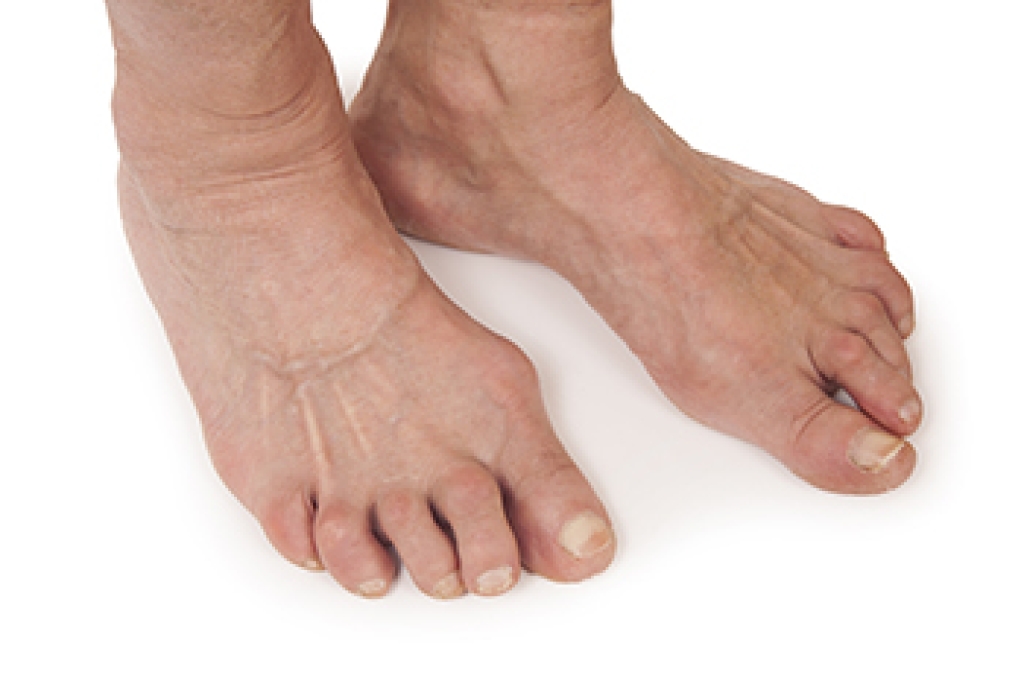
Rheumatoid arthritis can significantly impact the feet and cause pain, swelling, and stiffness that can interfere with daily life. Education plays an important role in helping individuals manage these challenges effectively. Learning how the disease affects joints allows patients to better understand flare-ups and long-term changes. Wearing proper footwear with supportive cushioning can reduce pressure on tender joints, while custom orthotics may provide additional relief. Low-impact exercises such as swimming or cycling are often encouraged to maintain mobility without putting stress on the feet. Regular monitoring by a podiatrist can help detect changes early and prevent deformities from worsening. Self-care strategies such as warm soaks or gentle stretching may also ease discomfort. If rheumatoid arthritis is affecting your feet, it is suggested that you consult a podiatrist to explore supportive treatment options and provide further guidance on this condition.
Because RA affects more than just your joints, including the joints in your feet and ankles, it is important to seek early diagnosis from your podiatrist if you feel like the pain in your feet might be caused by RA. For more information, contact John Horlebein, DPM of Northern Cascades Foot & Ankle, LLC. Our doctor will assist you with all of your podiatric concerns.
What Is Rheumatoid Arthritis?
Rheumatoid Arthritis (RA) is an autoimmune disorder in which the body’s own immune system attacks the membranes surrounding the joints. Inflammation of the lining and eventually the destruction of the joint’s cartilage and bone occur, causing severe pain and immobility.
Rheumatoid Arthritis of the Feet
Although RA usually attacks multiple bones and joints throughout the entire body, almost 90 percent of cases result in pain in the foot or ankle area.
Symptoms
Diagnosis
Quick diagnosis of RA in the feet is important so that the podiatrist can treat the area effectively. Your doctor will ask you about your medical history, occupation, and lifestyle to determine the origin of the condition. Rheumatoid Factor tests help to determine if someone is affected by the disease.
If you have any questions, please feel free to contact our office located in Chelan, WA . We offer the newest diagnostic and treatment technologies for all your foot care needs.
 Many patients can incur a stress fracture by participating in repetitive activities that can weaken the bones. The metatarsal bones are a common area in the foot where this type of injury can happen. These are the bones that connect the ankle to the toes and undergo stress as everyday activities are performed. Additionally, a stress fracture can occur in runners that increase speed and distance too soon, and it may possibly help to warm up and cool down before and after the activity is performed. The pain in the affected area may gradually diminish, but generally returns as the chosen exercise is performed. Relief can be found when the foot can rest, and this typically involves stopping the movement that caused the injury. If you have endured a stress fracture, it is suggested that you consult with a podiatrist who can offer you the best treatment options.
Activities where too much pressure is put on the feet can cause stress fractures. To learn more, contact John Horlebein, DPM from Northern Cascades Foot & Ankle, LLC. Our doctor can provide the care you need to keep your pain free and on your feet.
Dealing with Stress Fractures of the Foot and Ankle
Stress fractures occur in the foot and ankle when muscles in these areas weaken from too much or too little use. The feet and ankles then lose support when walking or running from the impact of the ground. Since there is no protection, the bones receive the full impact of each step. Stress on the feet can cause cracks to form in the bones, thus creating stress fractures.
What Are Stress Fractures?
Stress fractures occur frequently in individuals whose daily activities cause great impact on the feet and ankles. Stress factors are most common among:
Symptoms
Pain from the fractures occur in the area of the fractures and can be constant or intermittent. It will often cause sharp or dull pain with swelling and tenderness. Engaging in any kind of activity which involves high impact will aggravate pain.
If you have any questions please contact our office located in Chelan, WA . We offer the newest diagnostic and treatment technologies for all your foot and ankle needs.