
Dr. Horlebein will be joining Advanced Regional Ankle & Foot Care LLC as a full time physician in Altoona PA, as of June 1st 2023. Feel free to call our office with any scheduling inquires/questions!

Blog

Easing Hammertoe Pain Through Professional Podiatric Care

Hammertoes occur when the small toes bend abnormally, creating pressure points that lead to irritation, inflammation, and difficulty wearing shoes comfortably. As the deformity progresses, corns and calluses often form over the raised joints, increasing discomfort and limiting mobility. A podiatrist can relieve pain by addressing both the symptoms and the underlying mechanics of the foot. Treatment may begin with trimming or reducing thickened skin, applying protective padding, or recommending custom orthotics to improve alignment and reduce pressure on the affected toes. In some cases, splinting or taping can help position the toe more comfortably and slow the progression of the deformity. If hammertoe pain becomes persistent or if the toe becomes rigid, minimally invasive or surgical correction may be the most effective option to restore function and relieve discomfort. If you are experiencing hammertoe pain, it is suggested that you visit a podiatrist to ensure targeted care that is designed to improve comfort and support long-term foot health.

Hammertoe

Hammertoes can be a painful condition to live with. For more information, contact John Horlebein, DPM from Northern Cascades Foot & Ankle, LLC. Our doctor will answer any of your foot- and ankle-related questions.

Hammertoe is a foot deformity that affects the joints of the second, third, fourth, or fifth toes of your feet. It is a painful foot condition in which these toes curl and arch up, which can often lead to pain when wearing footwear.

Symptoms

  • Pain in the affected toes
  • Development of corns or calluses due to friction
  • Inflammation
  • Redness
  • Contracture of the toes

Causes

Genetics – People who are genetically predisposed to hammertoe are often more susceptible

Arthritis – Because arthritis affects the joints in your toes, further deformities stemming from arthritis can occur

Trauma – Direct trauma to the toes could potentially lead to hammertoe

Ill-fitting shoes – Undue pressure on the front of the toes from ill-fitting shoes can potentially lead to the development of hammertoe

Treatment

Orthotics – Custom made inserts can be used to help relieve pressure placed on the toes and therefore relieve some of the pain associated with it

Medications – Oral medications such as anti-inflammatories or NSAIDs could be used to treat the pain and inflammation hammertoes causes. Injections of corticosteroids are also sometimes used

Surgery – In more severe cases where the hammertoes have become more rigid, foot surgery is a potential option

If you have any questions, please feel free to contact our office located in Chelan, WA . We offer the newest diagnostic and treatment technologies for all your foot care needs.

Read more about Hammertoe

Managing Bunions

Bunions are a common foot condition where the tip of the big toe gradually shifts toward the smaller toes, creating a visible bump at the side of the foot. They are often caused by inherited foot structure,  wearing improper footwear, arthritis, or repeated pressure on the joint. A bunion may look red, swollen, or enlarged and can feel tender, stiff, or painful, especially when walking or wearing narrow shoes. Some people experience burning sensations or limited toe movement. A podiatrist can help from the start by evaluating foot structure, gait, and joint alignment, sometimes using imaging to confirm the diagnosis. Non-surgical treatments may include footwear recommendations, padding, custom orthotics, and targeted exercises to reduce strain and improve comfort. Early management can slow progression, ease pain, and improve daily mobility. If you have a painful bunion, it is suggested that you schedule an appointment with a podiatrist for effective relief and treatment solutions.

If you are suffering from bunions, contact John Horlebein, DPM of Northern Cascades Foot & Ankle, LLC. Our doctor can provide the care you need to keep you pain-free and on your feet.

What Is a Bunion?

A bunion is formed of swollen tissue or an enlargement of boney growth, usually located at the base joint of the toe that connects to the foot. The swelling occurs due to the bones in the big toe shifting inward, which impacts the other toes of the foot. This causes the area around the base of the big toe to become inflamed and painful.

Why Do Bunions Form?

Genetics – Susceptibility to bunions are often hereditary

Stress on the feet – Poorly fitted and uncomfortable footwear that places stress on feet, such as heels, can worsen existing bunions

How Are Bunions Diagnosed?

Podiatrists often perform two tests – blood tests and x-rays – when trying to diagnose bunions, especially in the early stages of development. Blood tests help determine if the foot pain is being caused by something else, such as arthritis, while x-rays provide a clear picture of your bone structure to your provider.

How Are Bunions Treated?

  • Refrain from wearing heels or similar shoes that cause discomfort
  • Select wider shoes that can provide more comfort and reduce pain
  • Anti-inflammatory and pain management drugs
  • Orthotics or foot inserts
  • Surgery

If you have any questions, please feel free to contact our office located in Chelan, WA . We offer the newest diagnostic and treatment technologies for all your foot care needs.

Read more about Bunions

Foot Blisters While Hiking and How to Prevent Them

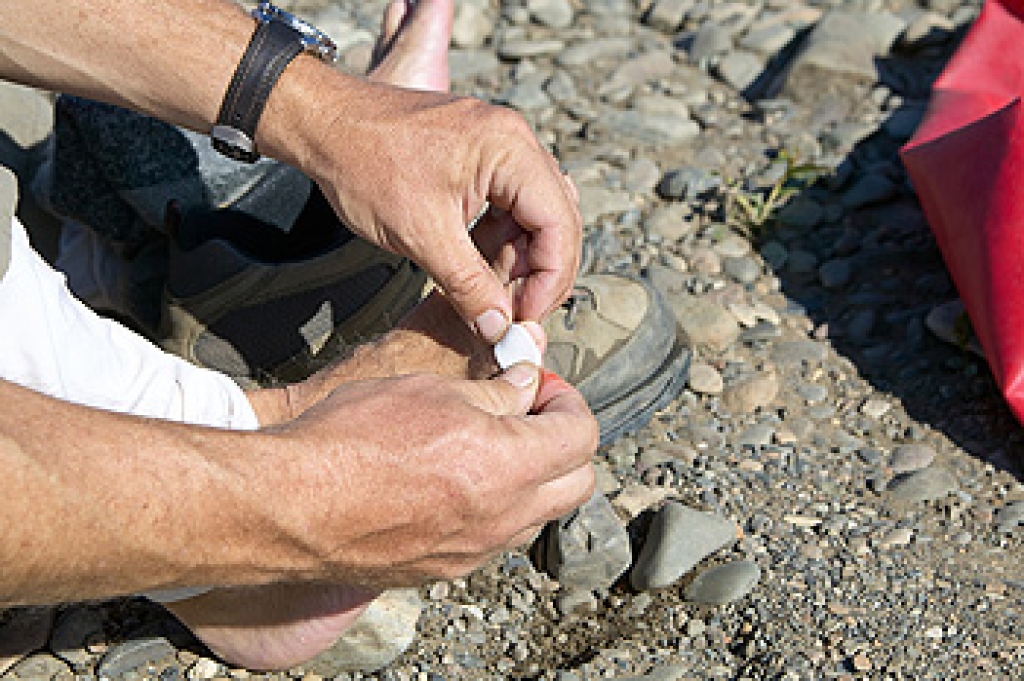
Foot blisters are a common problem during hiking and develop when friction, heat, and moisture repeatedly irritate the skin. Wearing ill-fitting boots, improper socks, uneven terrain, and long periods of walking can increase rubbing and pressure on certain areas of the foot. Symptoms often include redness, burning pain, swelling, and fluid filled pockets that make each step uncomfortable. Prevention focuses on wearing properly fitted hiking boots, choosing moisture wicking socks, keeping feet clean and dry, and taking breaks to reduce friction. Protective padding may also help prevent irritation. A podiatrist can help by treating painful or infected blisters, recommending proper footwear, and providing guidance to prevent future issues. If foot blisters are interfering with hiking enjoyment or daily comfort, it is suggested that you consult a podiatrist who can offer effective relief and prevention tips. 

Blisters may appear as a single bubble or in a cluster. They can cause a lot of pain and may be filled with pus, blood, or watery serum. If your feet are hurting, contact John Horlebein, DPM of Northern Cascades Foot & Ankle, LLC. Our doctor can provide the care you need to keep you pain-free and on your feet.

Foot Blisters

Foot blisters are often the result of friction. This happens due to the constant rubbing from shoes, which can lead to pain.

What Are Foot Blisters?

A foot blister is a small fluid-filled pocket that forms on the upper-most layer of the skin. Blisters are filled with clear fluid and can lead to blood drainage or pus if the area becomes infected.

Symptoms

(Blister symptoms may vary depending on what is causing them)

  • Bubble of skin filled with fluid
  • Redness
  • Moderate to severe pain
  • Itching

Prevention & Treatment

In order to prevent blisters, you should be sure to wear comfortable shoes with socks that cushion your feet and absorb sweat. Breaking a blister open may increase your chances of developing an infection. However, if your blister breaks, you should wash the area with soap and water immediately and then apply a bandage to the affected area. If your blisters cause severe pain it is important that you call your podiatrist right away.

If you have any questions, please feel free to contact our office located in Chelan, WA . We offer the newest diagnostic and treatment technologies for all your foot care needs.

Read more about Blisters

Tips for Selecting Running Shoes

Choosing the right running shoe plays an important role in foot comfort and preventing injuries. Start by considering where you run, as road, trail, and treadmill surfaces place different demands on the feet. Proper fit is essential, with enough room in the toe box to prevent pressure on the toes, while still holding the heel securely. Cushioning should match your body weight and running style, because too little may increase impact stress and too much can affect stability. Pay attention to shoe flexibility and how the sole bends, since this influences foot motion. Replacing running shoes is important because worn materials reduce protection for the feet. A podiatrist can evaluate your foot structure, gait, and running habits to recommend features that support movement and reduce strain. If you experience foot pain after running, it is suggested that you make an appointment with a podiatrist for an exam and treatment options.

You should always make sure your running shoes fit properly in order to avoid injury. For more information, contact John Horlebein, DPM from Northern Cascades Foot & Ankle, LLC. Our doctor can provide the care you need to keep you pain-free and on your feet.

Choosing the Right Running Shoe for Your Foot Type

Improper shoe sizing can cause a myriad of problems for your feet. Shoes that don’t fit you properly can lead to muscular imbalances in your body, which can result in foot, knee, and hip injuries.

Tips for Finding the Right Running Shoe

  • Make sure you have a thumb’s width of wiggle room between the end of your longest toe and the front of the shoe.
  • There should be little to no slipping at the heel
  • Don’t assume your size in one shoe brand will be your size in another
  • Do not lace up your shoes too tightly
  • Walk around in the store with your new shoes before you buy them

If you have any questions, please feel free to contact our office located in Chelan, WA . We offer the newest diagnostic and treatment technologies for all your foot care needs.

Read more about Walking Shoes vs. Running Shoes
Connect with us