
Dr. Horlebein will be joining Advanced Regional Ankle & Foot Care LLC as a full time physician in Altoona PA, as of June 1st 2023. Feel free to call our office with any scheduling inquires/questions!

Blog

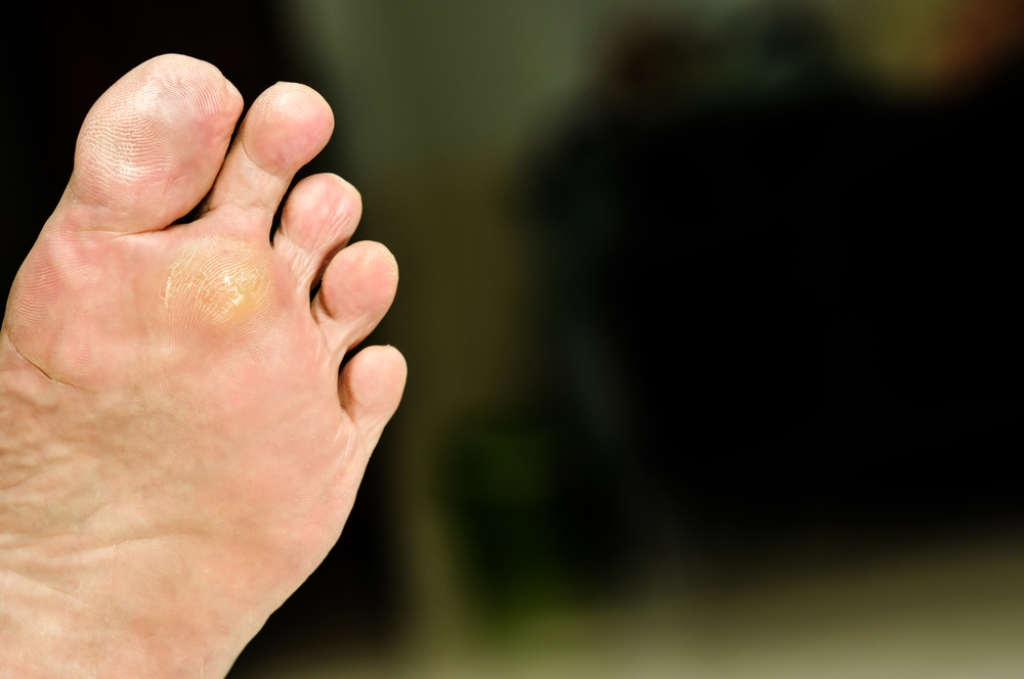
Where on the Feet Does a Plantar Wart Develop?

A wart that develops on the sole of the foot is commonly referred to as a plantar wart. Standing and walking may cause the wart to grow inward, which can produce severe pain and discomfort. It may happen from being exposed to the type of fungus that is known as human papillomavirus, which is also known as HPV. Mild relief may be found when a protective pad is worn over the wart, as this may help to provide adequate cushioning as daily activities are completed. For stubborn plantar warts that do not heal, it is suggested that you consult with a podiatrist who can perform the necessary medical procedures, which may include the use of prescription medicines.

Plantar warts can be very uncomfortable. If you need your feet checked, contact John Horlebein, DPM from Northern Cascades Foot & Ankle, LLC. Our doctor will assist you with all of your foot and ankle needs.

About Plantar Warts

Plantar warts are the result of HPV, or human papillomavirus, getting into open wounds on the feet. They are mostly found on the heels or balls of the feet.

While plantar warts are generally harmless, those experiencing excessive pain or those suffering from diabetes or a compromised immune system require immediate medical care. Plantar warts are easily diagnosed, usually through scraping off a bit of rough skin or by getting a biopsy.

Symptoms

  • Lesions on the bottom of your feet, usually rough and grainy
  • Hard or thick callused spots
  • Wart seeds, which are small clotted blood vessels that look like little black spots
  • Pain, discomfort, or tenderness of your feet when walking or standing

Treatment

  • Freezing
  • Electric tool removal
  • Laser Treatment
  • Topical Creams (prescription only)
  • Over-the-counter medications

To help prevent developing plantar warts, avoid walking barefoot over abrasive surfaces that can cause cuts or wounds for HPV to get into. Avoiding direct contact with other warts, as well as not picking or rubbing existing warts, can help prevent the further spread of plantar warts. However, if you think you have developed plantar warts, speak to your podiatrist. He or she can diagnose the warts on your feet and recommend the appropriate treatment options.

If you have any questions, please feel free to contact our office located in Chelan, WA . We offer the newest diagnostic and treatment technologies for all your foot care needs.

Read more about All About Plantar Warts

How Common Is Foot Pain?

Foot pain is a common ailment among people worldwide. There are several foot conditions that may cause pain, ranging from mild to severe. One of these types of conditions is known as athlete’s foot. The symptoms that typically accompany athlete’s foot can consist of a burning or itching sensation between the toes or on the bottom of the feet. It is caused by a fungus that lives and thrives in warm and moist environments. These often include public pools and surrounding areas. A bump that protrudes from the side on the big toe may be indicative of a bunion. They can form as a result of wearing shoes that are too tight, or from genetic factors. Plantar fasciitis is another foot condition that is often considered to be uncomfortable. Severe pain is typically felt in the heel or arch areas for this condition. If you are experiencing any type of foot pain, it is strongly suggested that you seek the counsel of a podiatrist.

Foot Pain

Foot pain can be extremely painful and debilitating. If you have a foot pain, consult with John Horlebein, DPM from Northern Cascades Foot & Ankle, LLC. Our doctor will assess your condition and provide you with quality foot and ankle treatment.

Causes

Foot pain is a very broad condition that could be caused by one or more ailments. The most common include:

  • Bunions
  • Hammertoes
  • Plantar Fasciitis
  • Bone Spurs
  • Corns
  • Tarsal Tunnel Syndrome
  • Ingrown Toenails
  • Arthritis (such as Gout, Rheumatoid, and Osteoarthritis)
  • Flat Feet
  • Injury (from stress fractures, broken toe, foot, ankle, Achilles tendon ruptures, and sprains)
  • And more

Diagnosis

To figure out the cause of foot pain, podiatrists utilize several different methods. This can range from simple visual inspections and sensation tests to X-rays and MRI scans. Prior medical history, family medical history, and any recent physical traumatic events will all be taken into consideration for a proper diagnosis.

Treatment

Treatment depends upon the cause of the foot pain. Whether it is resting, staying off the foot, or having surgery; podiatrists have a number of treatment options available for foot pain.

If you have any questions, please feel free to contact our office located in Chelan, WA . We offer the newest diagnostic and treatment technologies for all your foot care needs.
Read more about Foot Pain

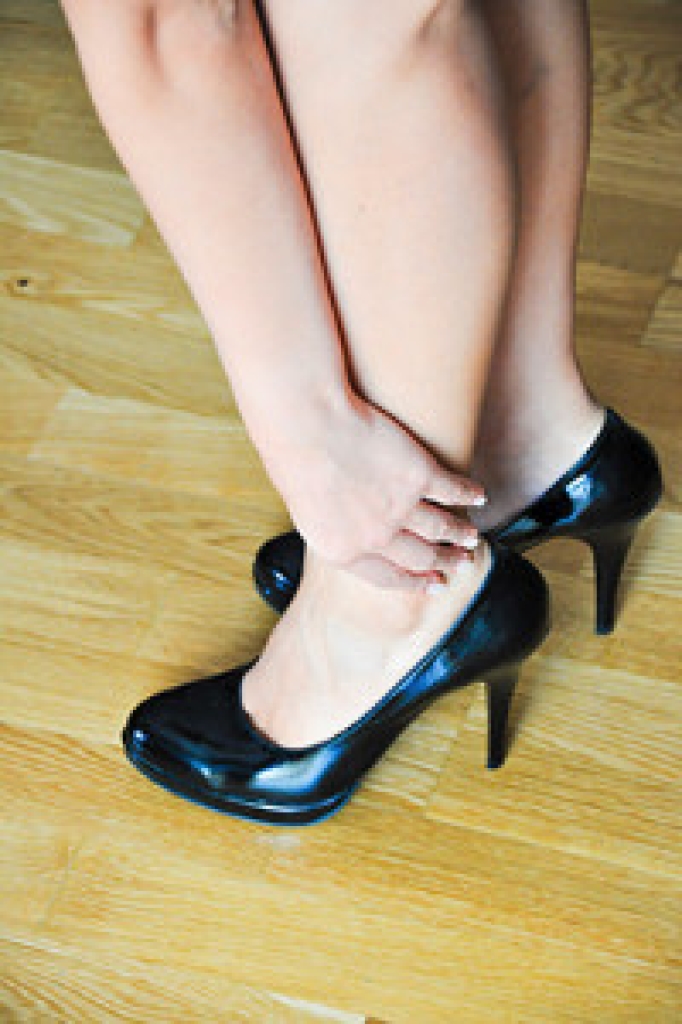
Wearing High Heels May Cause Unwanted Foot Conditions

Many women enjoy wearing high heels, as wearing this type of shoe can often make the feet and legs look slender. If you choose to wear high heels, it is important to look for heels that are slightly wider, as this may be helpful in preventing unwanted foot conditions from developing. Patients may find it beneficial to wear cushions over their toes which can help to prevent corns from forming. Additionally, existing friction may be reduced when a lubricant or powder is applied to your foot or put inside the shoe. If you would like additional information about how to choose high heels that are right for you, it’s suggested that you consult with a podiatrist. 

High heels have a history of causing foot and ankle problems. If you have any concerns about your feet or ankles, contact John Horlebein, DPM from Northern Cascades Foot & Ankle, LLC. Our doctor can provide the care you need to keep you pain-free and on your feet.

Effects of High Heels on the Feet

High heels are popular shoes among women because of their many styles and societal appeal.  Despite this, high heels can still cause many health problems if worn too frequently.

Which Parts of My Body Will Be Affected by High Heels?

  • Ankle Joints
  • Achilles Tendon – May shorten and stiffen with prolonged wear
  • Balls of the Feet
  • Knees – Heels cause the knees to bend constantly, creating stress on them
  • Back – They decrease the spine’s ability to absorb shock, which may lead to back pain.  The vertebrae of the lower back may compress.

What Kinds of Foot Problems Can Develop from Wearing High Heels?

  • Corns
  • Calluses
  • Hammertoe
  • Bunions
  • Morton’s Neuroma
  • Plantar Fasciitis

How Can I Still Wear High Heels and Maintain Foot Health?

If you want to wear high heeled shoes, make sure that you are not wearing them every day, as this will help prevent long term physical problems.  Try wearing thicker heels as opposed to stilettos to distribute weight more evenly across the feet.  Always make sure you are wearing the proper shoes for the right occasion, such as sneakers for exercising.  If you walk to work, try carrying your heels with you and changing into them once you arrive at work.  Adding inserts to your heels can help cushion your feet and absorb shock. Full foot inserts or metatarsal pads are available. 

If you have any questions, please feel free to contact our office located in Chelan, WA . We offer the newest diagnostic and treatment technologies for all your foot care needs.

Read more about Effect of High Heels on the Feet

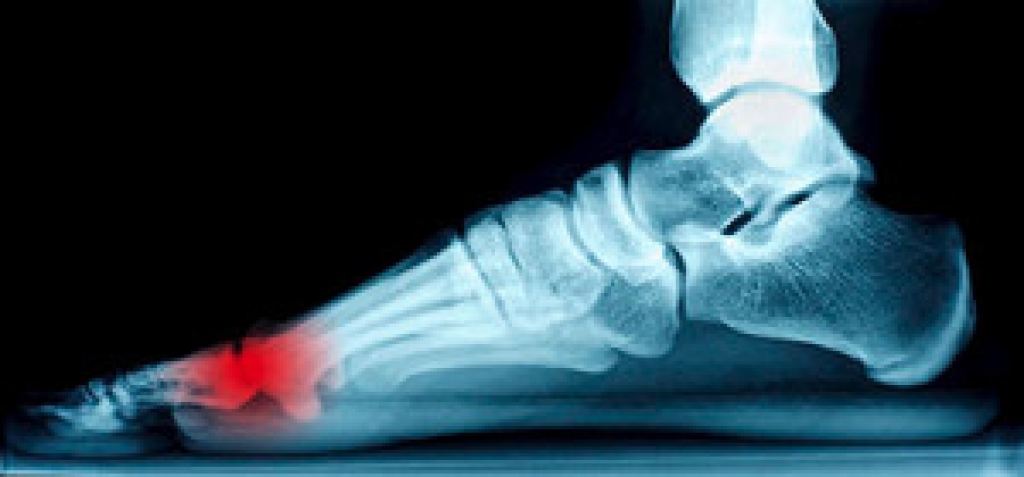
The Function of the Sesamoid Bones

The sesamoid bones are located under the ball of the foot. They help to enable the big toe to press down, and pain and discomfort may develop if they should become inflamed. This may happen as a result of participating in running and jumping activities, or from wearing shoes that do not fit correctly. Common symptoms that can be associated with this ailment may include pain on the bottom of the foot, and it may be difficult to stand on your tiptoes. Patients who have this condition may find moderate relief when the affected foot is elevated, and it may help to use an insole that can support the arch. If you feel you may have sesamoiditis, it is strongly advised that you consult with a podiatrist who can properly diagnose and treat this condition. 

Sesamoiditis is an unpleasant foot condition characterized by pain in the balls of the feet. If you think you’re struggling with sesamoiditis, contact John Horlebein, DPM of Northern Cascades Foot & Ankle, LLC. Our doctor will treat your condition thoroughly and effectively.

Sesamoiditis

Sesamoiditis is a condition of the foot that affects the ball of the foot. It is more common in younger people than it is in older people. It can also occur with people who have begun a new exercise program, since their bodies are adjusting to the new physical regimen. Pain may also be caused by the inflammation of tendons surrounding the bones. It is important to seek treatment in its early stages because if you ignore the pain, this condition can lead to more serious problems such as severe irritation and bone fractures.

Causes of Sesamoiditis

  • Sudden increase in activity
  • Increase in physically strenuous movement without a proper warm up or build up
  • Foot structure: those who have smaller, bonier feet or those with a high arch may be more susceptible

Treatment for sesamoiditis is non-invasive and simple. Doctors may recommend a strict rest period where the patient forgoes most physical activity. This will help give the patient time to heal their feet through limited activity. For serious cases, it is best to speak with your doctor to determine a treatment option that will help your specific needs.

If you have any questions, please feel free to contact our office located in Chelan, WA . We offer the newest diagnostic and treatment technologies for all your foot care needs.

Read more about Sesamoiditis

Are You Suffering From Ingrown Toenails?

If left untreated, an ingrown toenail can lead to more serious concerns, such as an infection. Knowing proper nail care can help in the prevention of an ingrown toenail. Give us a call, and get treated!

Connect with us