Dr. Horlebein will be joining Advanced Regional Ankle & Foot Care LLC as a full time physician in Altoona PA, as of June 1st 2023. Feel free to call our office with any scheduling inquires/questions!

Blog

Preventive Measures for Toenail Fungus

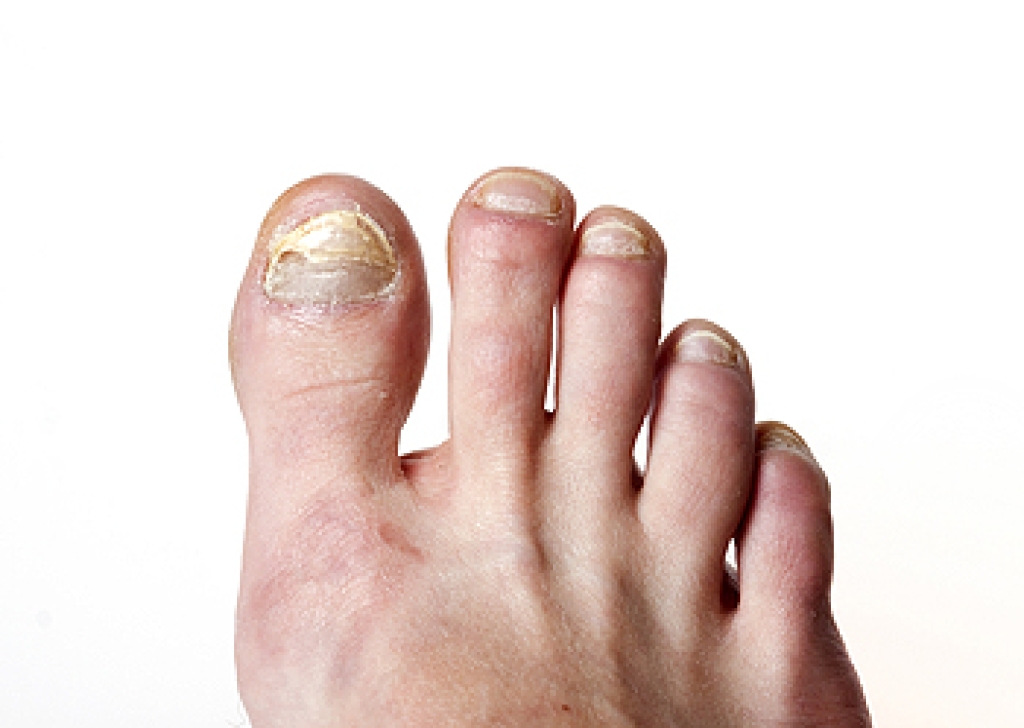
Toenail fungus, also known as onychomycosis, is a common condition that affects countless individuals worldwide. It occurs when fungi, often dermatophytes, enter the nail bed through tiny cracks or cuts in the skin, leading to an infection. The resulting symptoms typically include thickened, discolored nails that may become brittle or crumble over time. Recognizing toenail fungus is essential, as early intervention can prevent further complications. Apart from the visual signs, you may also experience mild pain or discomfort, especially when wearing tight-fitting shoes. To help prevent toenail fungus, it is important to practice proper foot hygiene, such as regularly washing and drying your feet thoroughly. Since fungi thrive in damp environments, be sure your shoes are well-ventilated and moisture-wicking. Additionally, it is beneficial to avoid walking barefoot in public areas, including locker rooms and swimming pools, where the risk of infection is higher. Trimming the nails straight across can also help prevent ingrown nails and potential entry points for fungus. If you suspect you have toenail fungus, it is suggested that you seek prompt treatment from a podiatrist who can offer you treatment methods that are right for you.


For more information about treatment, contact John Horlebein, DPM of Northern Cascades Foot & Ankle, LLC. Our doctor can provide the care you need to keep you pain-free and on your feet.

Toenail Fungus Treatment

Toenail fungus is a condition that affects many people and can be especially hard to get rid of. Fortunately, there are several methods to go about treating and avoiding it.

Antifungals & Deterrence

Oral antifungal medicine has been shown to be effective in many cases. It is important to consult with a podiatrist to determine the proper regiment for you, or potentially explore other options.

Applying foot powder on the feet and shoes helps keep the feet free of moisture and sweat.

Sandals or open toed shoes – Wearing these will allow air movement and help keep feet dry. They also expose your feet to light, which fungus cannot tolerate. Socks with moisture wicking material also help as well.

If you have any questions please contact our office located in Chelan, WA . We offer the newest diagnostic and treatment technologies for all your foot and ankle needs.
Read more about How to Treat Your Toenail Fungus

Treatment Options for Diabetic Nerve Pain

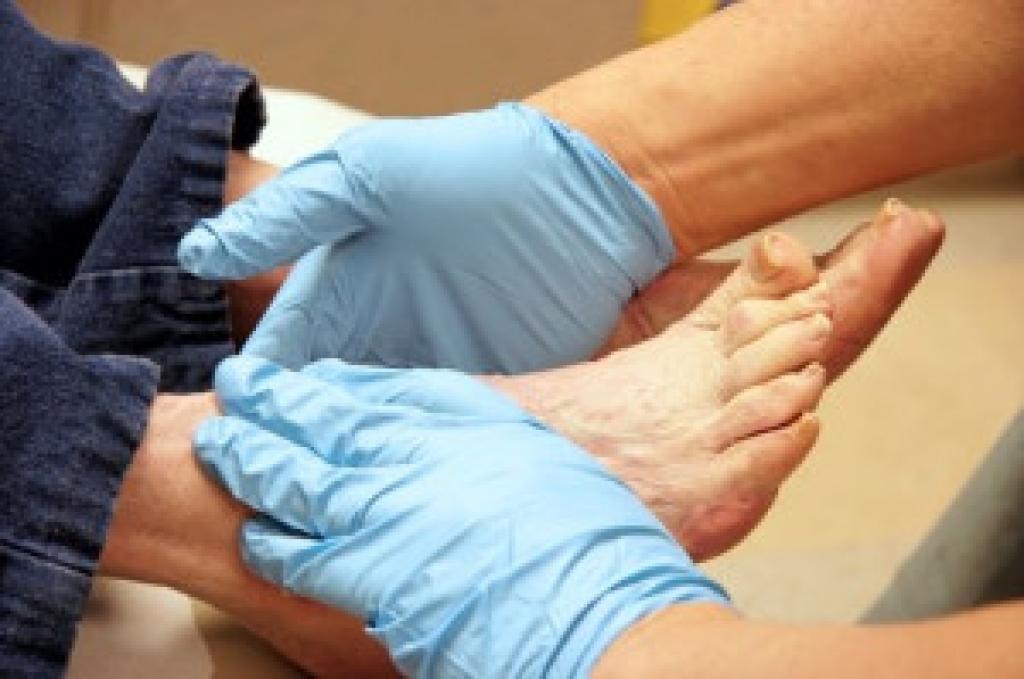
Living with diabetes presents a unique set of challenges, one of which is diabetic nerve pain, also called diabetic neuropathy. This condition can lead to sensations of tingling, numbness, and discomfort in the lower extremities, especially your feet. Medication prescribed by a podiatrist, including anticonvulsants, antidepressants, and pain relievers, can provide relief from diabetic nerve pain. Additionally, making lifestyle adjustments, such as maintaining stable blood sugar levels through dietary modifications and regular exercise, can help to reduce nerve pain. In some cases, nerve blocks may be recommended, temporarily numbing affected nerves to alleviate pain. Topical treatments, such as creams, gels, or patches containing capsaicin or lidocaine, can also be helpful in targeting localized discomfort. It's important for diabetics to practice routine foot care, including vigilant inspection for injuries, to prevent serious complications. Certain exercises to improve muscle strength and balance may also reduce the risk of both falls and further nerve damage. Early intervention and consistent monitoring are paramount for effectively managing this problem. If you are experiencing diabetic nerve pain, it is suggested that you make a podiatrist a regular member of your healthcare team.

Diabetic foot care is important in preventing foot ailments such as ulcers. If you are suffering from diabetes or have any other concerns about your feet, contact John Horlebein, DPM from Northern Cascades Foot & Ankle, LLC. Our doctor can provide the care you need to keep you pain-free and on your feet.

Diabetic Foot Care

Diabetes affects millions of people every year. The condition can damage blood vessels in many parts of the body, especially the feet. Because of this, taking care of your feet is essential if you have diabetes, and having a podiatrist help monitor your foot health is highly recommended.

The Importance of Caring for Your Feet

  • Routinely inspect your feet for bruises or sores.
  • Wear socks that fit your feet comfortably.
  • Wear comfortable shoes that provide adequate support.

Patients with diabetes should have their doctor monitor their blood levels, as blood sugar levels play such a huge role in diabetic care. Monitoring these levels on a regular basis is highly advised.

It is always best to inform your healthcare professional of any concerns you may have regarding your feet, especially for diabetic patients. Early treatment and routine foot examinations are keys to maintaining proper health, especially because severe complications can arise if proper treatment is not applied.

If you have any questions, please feel free to contact our office located in Chelan, WA . We offer the newest diagnostic and treatment technologies for all your foot care needs.

Read more about Diabetic Foot Conditions

Essential Stretches for Runners

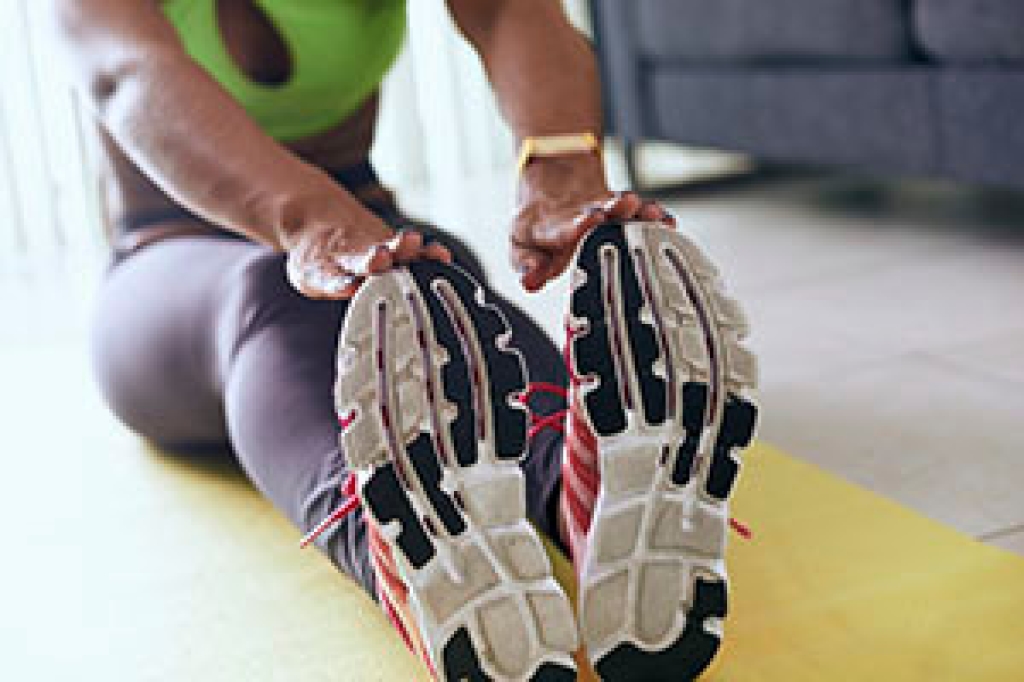
Running is an invigorating way to stay fit, but it can put a lot of strain on your muscles and joints. Incorporating proper stretching into your routine is essential to enhance flexibility, reduce the risk of injuries, and improve overall performance. Start with a dynamic warm-up, such as leg swings or high knees, to prepare your muscles for action. Post-run, static stretches can help relieve tension. The classic calf stretch, hamstring stretch, and quadriceps stretch are vital for targeting major running muscle groups. To address hip flexibility, try the pigeon pose or a seated hamstring stretch. It is helpful to remember to focus on your core with exercises like the seated torso twist or the standing hip flexor stretch. Consistency is key, and regularly incorporating these stretches into your running routine can enhance your flexibility. It may also reduce the risk of injuries and contribute to a more comfortable and enjoyable running experience. If you would like additional information about effective running stretches, it is suggested that you consult a podiatrist who can provide you with the information you are seeking.

Exercising your feet regularly with the proper foot wear is a great way to prevent injuries. If you have any concerns about your feet, contact John Horlebein, DPM of Northern Cascades Foot & Ankle, LLC. Our doctor will treat your foot and ankle needs.

How to Prevent Running Injuries

Many common running injuries are caused by overuse and overtraining. When the back of the kneecap starts wearing out and starts causing pain in your knee, this is commonly referred to as runner’s knee. Runner’s knee is a decrease in strength in your quadriceps and can occur if you’re not wearing properly fitted or supporting shoes. To prevent runner’s knee, focusing on hip strengthening is a good idea, as well as strengthening your quads to keep the kneecaps aligned.

What Are Some Causes of Running Injuries? 
- One cause of a common running injury is called iliotibial band syndrome.
- Plantar fasciitis is also another common injury.
- Stress fractures can occur from overtraining, lack of calcium, or even your running style.

Best Ways to Prevent Running Injuries
- Wear footwear that fits properly and suits your running needs.
- Running shoes are the only protective gear that runners have to safeguard them from injury.
- Make a training schedule. Adding strengthening exercises as well as regular stretching can help keep you strong and limber and can lessen the possibility of injuries.
- Stretching keeps muscles limber; this will help you gain better flexibility.

If you have any questions, please feel free to contact our office located in Chelan, WA . We offer the newest diagnostic and treatment technologies for all your foot care needs.

Read more about How to Prevent Running Injuries

Custom Orthotics and Foot Health

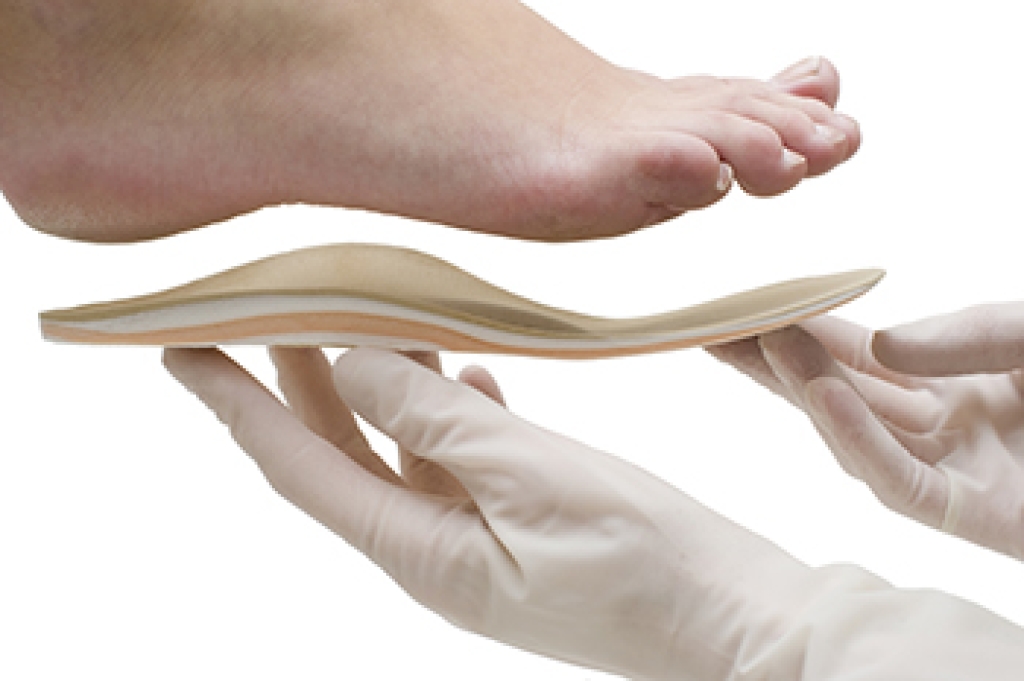
Orthotics are specialized shoe inserts, or insoles, designed to provide support, cushioning, and alignment to the feet. These custom-made devices are prescribed to individuals for various reasons, aiming to address a range of foot-related issues and improve overall foot health. One of the primary reasons to wear orthotics is to alleviate pain and discomfort associated with conditions such as plantar fasciitis, flat feet, or bunions. These devices can help distribute pressure more evenly across the foot, reducing strain and preventing further damage. Orthotics can also improve alignment, correct gait abnormalities, and support the arches. This can be beneficial for individuals with irregular foot structures or those who engage in high impact activities. Additionally, orthotics can aid in injury prevention by promoting proper biomechanics and reducing stress on the feet, knees, hips, and lower back. Orthotics can be a valuable tool for maintaining foot health, preventing injuries, and enhancing overall comfort and mobility. If you would like more information about the benefits of custom orthotics, it is suggested that you schedule an appointment with a podiatrist. 

If you are having discomfort in your feet and would like to try orthotics, contact John Horlebein, DPM from Northern Cascades Foot & Ankle, LLC. Our doctor can provide the care you need to keep you pain-free and on your feet.

What Are Orthotics?

Orthotics are inserts you can place into your shoes to help with a variety of foot problems such as flat feet or foot pain. Orthotics provide relief and comfort for minor foot and heel pain but can’t correct serious biomechanical problems in your feet.

Over-the-Counter Inserts

Orthotics come in a wide variety of over-the-counter inserts that are used to treat foot pain, heel pain, and minor problems. For example, arch supports can be inserted into your shoes to help correct overarched or flat feet, while gel insoles are often used because they provide comfort and relief from foot and heel pain by alleviating pressure.

Prescription Orthotics

If over-the-counter inserts don’t work for you or if you have a more severe foot concern, it is possible to have your podiatrist prescribe custom orthotics. These high-quality inserts are designed to treat problems such as abnormal motion, plantar fasciitis, and severe forms of heel pain. They can even be used to help patients suffering from diabetes by treating foot ulcers and painful calluses and are usually molded to your feet individually, which allows them to provide full support and comfort.

If you are experiencing minor to severe foot or heel pain, it’s recommended to speak with your podiatrist about the possibilities of using orthotics. A podiatrist can determine which type of orthotic is right for you and allow you to take the first steps towards being pain-free.

If you have any questions, please feel free to contact our office located in Chelan, WA . We offer the newest diagnostic and treatment technologies for all your foot care needs.

Read more about Ankle Foot Orthotics for Athletes

Are Bunions Affecting Your Everyday Life?

Have you noticed a bony protrusion on the side of your big toe? If so, you may have developed the foot condition known as a bunion. Don't let bunions interfere with your daily activities.

Connect with us