
Dr. Horlebein will be joining Advanced Regional Ankle & Foot Care LLC as a full time physician in Altoona PA, as of June 1st 2023. Feel free to call our office with any scheduling inquires/questions!

Blog

What Part of the Foot Does Gout Affect?

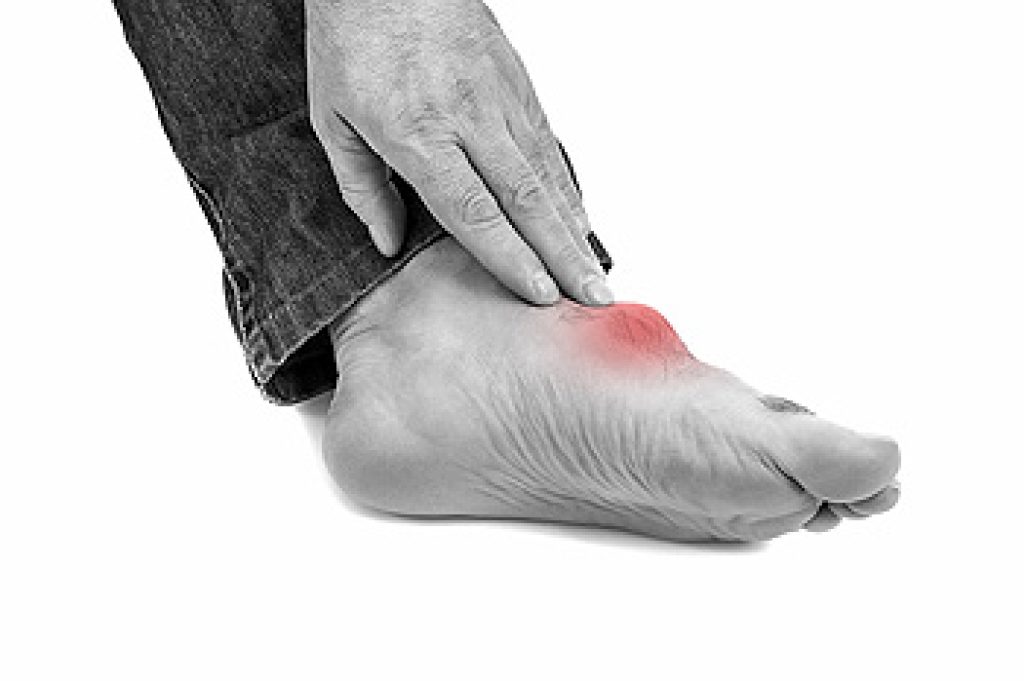
The medical condition that is referred to as gout is a painful ailment that affects the feet. More specifically, the joints in the big toe are typically distressed if this form of arthritis develops. It can cause severe pain and discomfort and may lead to joint deformities if it is not treated early. It occurs as a result of excess uric acid that exists in the blood levels. This may produce crystals that lodge in the joints of the big toe. This condition is typically caused by eating foods that are high in purine levels. These often include red meat, shellfish, and alcohol. There are methods that can be implemented, which may prevent gout attacks from occurring. These can consist of losing weight, performing a daily exercise routine, and eating healthy foods. If you are having pain in the big toe and surrounding areas and would like additional information about how gout affects the feet, please consult with a podiatrist.

Gout is a painful condition that can be treated. If you are seeking treatment, contact John Horlebein, DPM from Northern Cascades Foot & Ankle, LLC. Our doctor will treat your foot and ankle needs.

What Is Gout?

Gout is a form of arthritis that is characterized by sudden, severe attacks of pain, redness, and tenderness in the joints. The condition usually affects the joint at the base of the big toe. A gout attack can occur at any random time, such as the middle of the night while you are asleep.

Symptoms

  • Intense Joint Pain - Usually around the large joint of your big toe, and it most severe within the first four to twelve hours
  • Lingering Discomfort - Joint discomfort may last from a few days to a few weeks
  • Inflammation and Redness -Affected joints may become swollen, tender, warm and red
  • Limited Range of Motion - May experience a decrease in joint mobility

Risk Factors

  • Genetics - If family members have gout, you’re more likely to have it
  • Medications - Diuretic medications can raise uric acid levels
  • Gender/Age - Gout is more common in men until the age of 60. It is believed that estrogen protects women until that point
  • Diet - Eating red meat and shellfish increases your risk
  • Alcohol - Having more than two alcoholic drinks per day increases your risk
  • Obesity - Obese people are at a higher risk for gout

Prior to visiting your podiatrist to receive treatment for gout, there are a few things you should do beforehand. If you have gout you should write down your symptoms--including when they started and how often you experience them, important medical information you may have, and any questions you may have. Writing down these three things will help your podiatrist in assessing your specific situation so that he or she may provide the best route of treatment for you.

If you have any questions, please feel free to contact our office located in Chelan, WA . We offer the newest diagnostic and treatment technologies for all your foot care needs.
Read more about Gout

Which Athletes Hurt Their Feet the Most

Athletes are known to have many foot and ankle complications. Some issues tend to affect the athletes of specific sports more than others. For example, “turf toe” is common among those who participate in football, soccer, basketball, wrestling, gymnastics, and dance. Turf toe is the spraining of the big toe joint. Another usual injury among athletes is a stress fracture. Those who run and jump on hard surfaces, such as runners, basketball players, and dancers, commonly experience fractures. Additionally, Achilles tendonitis, which is the inflammation of the back of your ankle, is seen among basketball and tennis players. Finally, a pinched nerve condition known as tarsal tunnel syndrome is seen among various types of athletes. Considering the extra stress athletes put on their bodies, it is no surprise that they are prone to foot and ankle injuries. These people in particular should look out for complications so they can continue performing in their respective sport effectively. If you believe you may have a foot or ankle injury due to a sport, you should contact a podiatrist.

Sports related foot and ankle injuries require proper treatment before players can go back to their regular routines. For more information, contact John Horlebein, DPM of Northern Cascades Foot & Ankle, LLC. Our doctor can provide the care you need to keep you pain-free and on your feet.

Sports Related Foot and Ankle Injuries

Foot and ankle injuries are a common occurrence when it comes to athletes of any sport. While many athletes dismiss the initial aches and pains, the truth is that ignoring potential foot and ankle injuries can lead to serious problems. As athletes continue to place pressure and strain the area further, a mild injury can turn into something as serious as a rupture and may lead to a permanent disability. There are many factors that contribute to sports related foot and ankle injuries, which include failure to warm up properly, not providing support or wearing bad footwear. Common injuries and conditions athletes face, including:

  • Plantar Fasciitis
  • Achilles Tendinitis
  • Achilles Tendon Rupture
  • Ankle Sprains

Sports related injuries are commonly treated using the RICE method. This includes rest, applying ice to the injured area, compression and elevating the ankle. More serious sprains and injuries may require surgery, which could include arthroscopic and reconstructive surgery. Rehabilitation and therapy may also be required in order to get any recovering athlete to become fully functional again. Any unusual aches and pains an athlete sustains must be evaluated by a licensed, reputable medical professional.

If you have any questions please contact our office located in Chelan, WA . We offer the newest diagnostic and treatment technologies for all your foot and ankle needs.

Read more about Sports Related Foot And Ankle Injuries

The Benefits of Children Walking Barefoot While Indoors

At eighteen months, a child’s foot is half the length of their adult feet. The majority of babies are born with flat feet, and most of the bones are fully formed at eighteen years of age. When children first begin to walk, it is vital to have them walk barefoot while indoors. This will help the toes become stronger by grasping the floor. When the first shoes are purchased, it is important to choose materials that are flexible and lightweight. Many children walk with their toes pointing inwards or outwards, and this will most likely be outgrown by approximately two years of age. If your child complains of foot pain, or prefers not to walk and be carried, it is suggested that you seek the counsel of a podiatrist who can properly diagnosis any potential foot conditions your child may have.

Making sure that your children maintain good foot health is very important as they grow. If you have any questions, contact John Horlebein, DPM of Northern Cascades Foot & Ankle, LLC. Our doctor can provide the care you need to keep you pain-free and on your feet.

Keeping Children's Feet Healthy

Having healthy feet during childhood can help prevent medical problems later in life, namely in the back and legs. As children grow, their feet require different types of care. Here are some things to consider...

Although babies do not walk yet, it is still very important to take care of their feet.

Avoid putting tight shoes or socks on his or her feet.

Allow the baby to stretch and kick his or her feet to feel comfortable.

As a toddler, kids are now on the move and begin to develop differently. At this age, toddlers are getting a feel for walking, so don’t be alarmed if your toddler is unsteady or ‘walks funny’. 

As your child gets older, it is important to teach them how to take care of their feet.

Show them proper hygiene to prevent infections such as fungus.

Be watchful for any pain or injury.

Have all injuries checked by a doctor as soon as possible.

Comfortable, protective shoes should always be worn, especially at play.

If you have any questions, please feel free to contact our office located in Chelan, WA . We offer the newest diagnostic and treatment technologies for all your foot care needs.

Read more about How to Care for Your Child's Feet
Connect with us