
Dr. Horlebein will be joining Advanced Regional Ankle & Foot Care LLC as a full time physician in Altoona PA, as of June 1st 2023. Feel free to call our office with any scheduling inquires/questions!

Blog

Why Do Corns Develop?

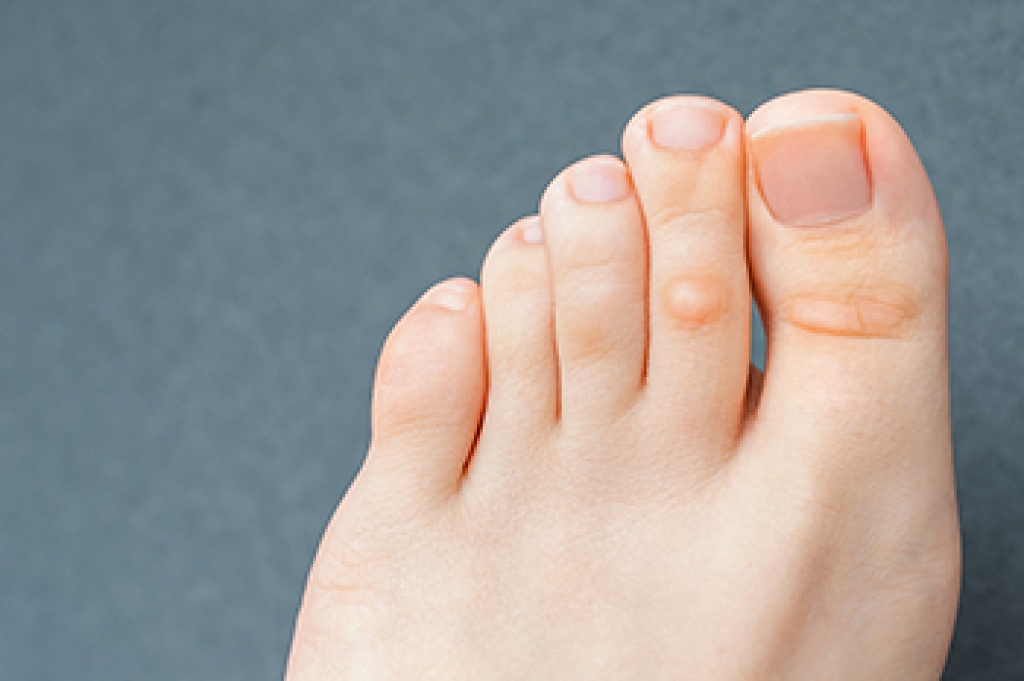
A corn is a skin lesion, usually caused by excess friction that comes from wearing shoes and socks that are too tight. It is defined as a small, hardened area of skin that can be quite painful. A hard corn generally develops on top of the toes, or on the side of the pinky toe. Additionally, they may form on the top of a hammertoe or bunion. Corns that form between the toes are referred to as soft corns, and stay moist from the sweat that accumulates there. Effective prevention methods can include wearing shoes that fit correctly, and some patients find it helpful to separate the toes by using lamb’s wool or moleskin. It may be beneficial for people who are prone to developing soft corns to purchase larger shoes that may help to keep the toes apart. Corns can develop in patients who frequently wear high heels, a result of having limited space for the toes to move. If you have a corn on your foot, it is suggested that you speak with a podiatrist who can effectively treat this ailment.

If you have any concerns regarding your feet and ankles, contact John Horlebein, DPM of Northern Cascades Foot & Ankle, LLC. Our doctor will treat your foot and ankle needs.

Corns: What Are They? and How Do You Get Rid of Them?
Corns can be described as areas of the skin that have thickened to the point of becoming painful or irritating. They are often layers and layers of the skin that have become dry and rough, and are normally smaller than calluses.

Ways to Prevent Corns
There are many ways to get rid of painful corns such as wearing:

  • Well-fitting socks
  • Comfortable shoes that are not tight around your foot
  • Shoes that offer support

Treating Corns
Treatment of corns involves removing the dead skin that has built up in the specific area of the foot. Consult with Our doctor to determine the best treatment option for your case of corns.

If you have any questions, please feel free to contact our office located in Chelan, WA . We offer the newest diagnostic and treatment technologies for all your foot care needs.
Read more about Corns and Calluses

Treatment Options Differ for Mild and Severe Morton’s Neuroma

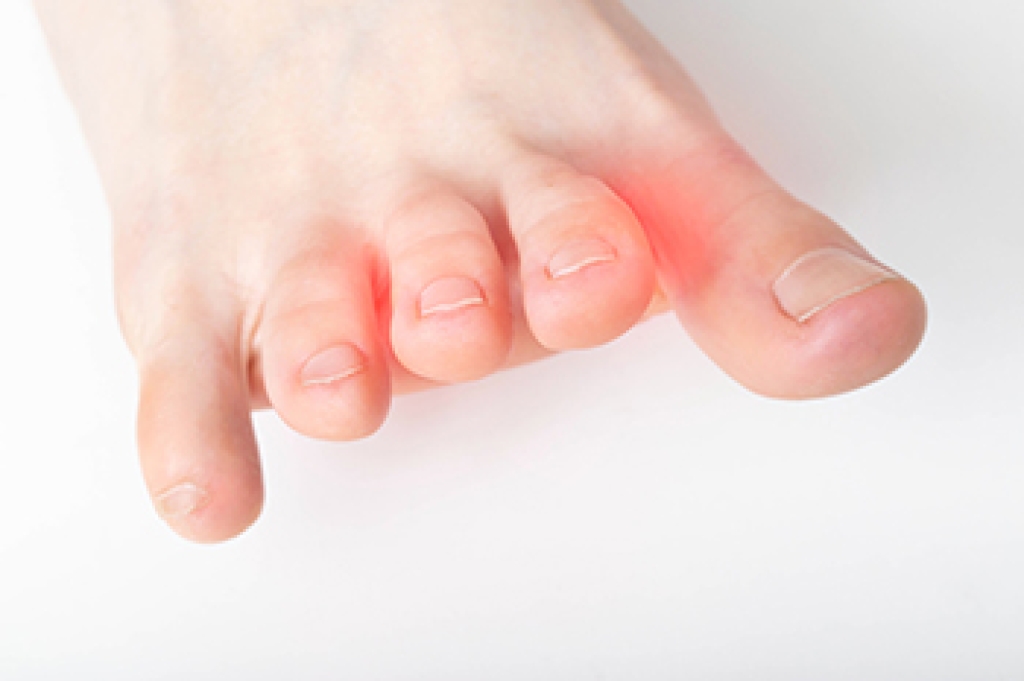
Patients who have pain between the toes may have a condition that is known as Morton’s neuroma. The discomfort can come from the nerves between the toes, and the pain may extend to the ball of the foot. The first symptom of Morton’s neuroma is often a tingling sensation, which will gradually worsen. In severe cases, the pain can become unbearable as pressure is exerted from shoes. Some patients describe the pain as being so unbearable they are anxious about putting the affected foot on the ground. This condition occurs as a result of compressed nerves between the toes, and the surrounding tissue may become thick. People who are most likely to be affected by Morton’s neuroma include women who frequently wear high heels, runners, or anyone with a high arch. In mild cases, treatment can consist of changing the type of shoes worn, and it may help to use orthotics. In severe cases, surgery may be necessary. After the surgery, many times a protective shoe is worn as the healing process takes place. If you have pain in this part of your foot, it is suggested to consult with a podiatrist who can perform a proper diagnosis and suggest the correct treatment for you.

Morton’s neuroma is a very uncomfortable condition to live with. If you think you have Morton’s neuroma, contact John Horlebein, DPM of Northern Cascades Foot & Ankle, LLC. Our doctor will attend to all of your foot care needs and answer any of your related questions.  

Morton’s Neuroma

Morton's neuroma is a painful foot condition that commonly affects the areas between the second and third or third and fourth toe, although other areas of the foot are also susceptible. Morton’s neuroma is caused by an inflamed nerve in the foot that is being squeezed and aggravated by surrounding bones.

What Increases the Chances of Having Morton’s Neuroma?

  • Ill-fitting high heels or shoes that add pressure to the toe or foot
  • Jogging, running or any sport that involves constant impact to the foot
  • Flat feet, bunions, and any other foot deformities

Morton’s neuroma is a very treatable condition. Orthotics and shoe inserts can often be used to alleviate the pain on the forefront of the feet. In more severe cases, corticosteroids can also be prescribed. In order to figure out the best treatment for your neuroma, it’s recommended to seek the care of a podiatrist who can diagnose your condition and provide different treatment options.

If you have any questions, please feel free to contact our office located in Chelan, WA . We offer the newest diagnostic and treatment technologies for all your foot care needs.

Read more about Morton's Neuroma

Everyday Foot Care Can Promote Well Being

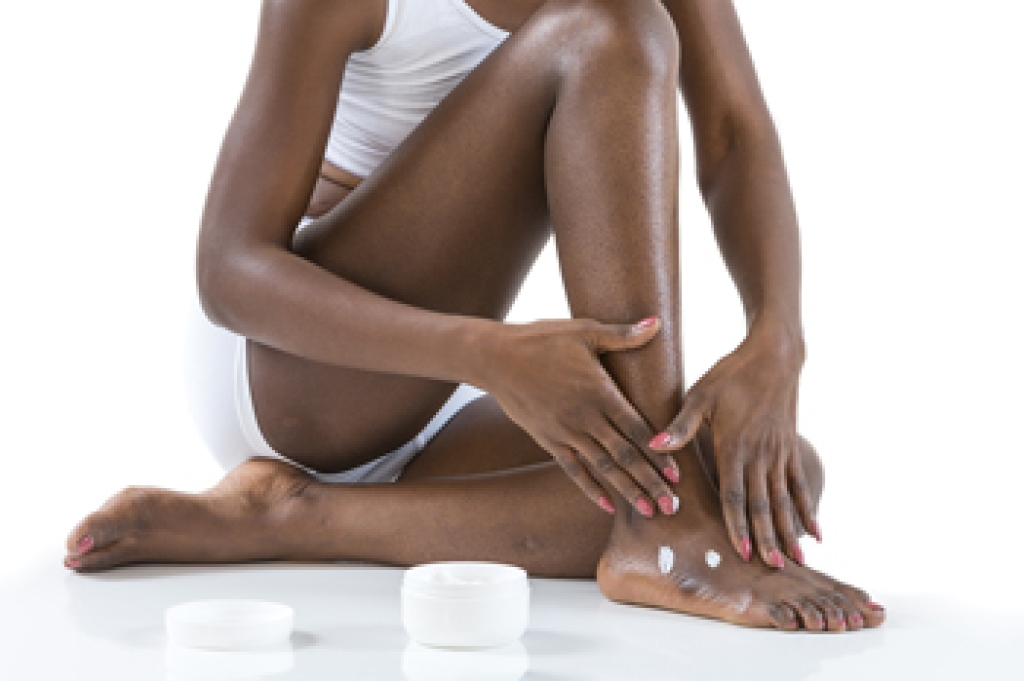
Many people take care of their body, but neglect proper foot care. This can lead to limited physical activity and possibly developing specific foot conditions. Everyday foot care starts with washing and drying the feet thoroughly, followed by applying a good moisturizer. Trimming the toenails properly is essential in possibly preventing ingrown toenails. It is beneficial to soak the feet in warm water for approximately 15 minutes, which may have a positive effect on the overall body. Performing frequent foot stretches can help to strengthen the feet and make it easier to complete daily activities. Many patients enjoy getting foot massages and pedicures, adding to the feeling of general well being. It is important to wear shoes that fit properly, in addition to wearing appropriate foot coverings while in public swimming areas and locker rooms. If you would like more information about tips on everyday foot care, please confer with a podiatrist.

Everyday foot care is very important to prevent infection and other foot ailments. If you need your feet checked, contact John Horlebein, DPM from Northern Cascades Foot & Ankle, LLC. Our doctor can provide the care you need to keep you pain-free and on your feet.

Everyday Foot Care

Often, people take care of their bodies, face and hair more so than they do for their feet. But the feet are a very important aspect of our bodies, and one that we should pay more attention to. Without our feet, we would not be able to perform most daily tasks.

It is best to check your feet regularly to make sure there are no new bruises or cuts that you may not have noticed before. For dry feet, moisturizer can easily be a remedy and can be applied as often as necessary to the affected areas. Wearing shoes that fit well can also help you maintain good foot health, as well as making it easier to walk and do daily activities without the stress or pain of ill-fitting shoes, high heels, or even flip flops. Wearing clean socks with closed shoes is important to ensure that sweat and bacteria do not accumulate within the shoe. Clean socks help to prevent Athlete’s foot, fungi problems, bad odors, and can absorb sweat.

If you have any questions, please feel free to contact our office located in Chelan, WA . We offer the newest diagnostic and treatment technologies for all your foot care needs.
Read more about Every Day Foot Care

It's Time for Beautiful Feet

You don't need an excuse to have beautiful nails. Step outside without worrying about the appearance of your feet.

What to Do if You Have Athlete’s Foot

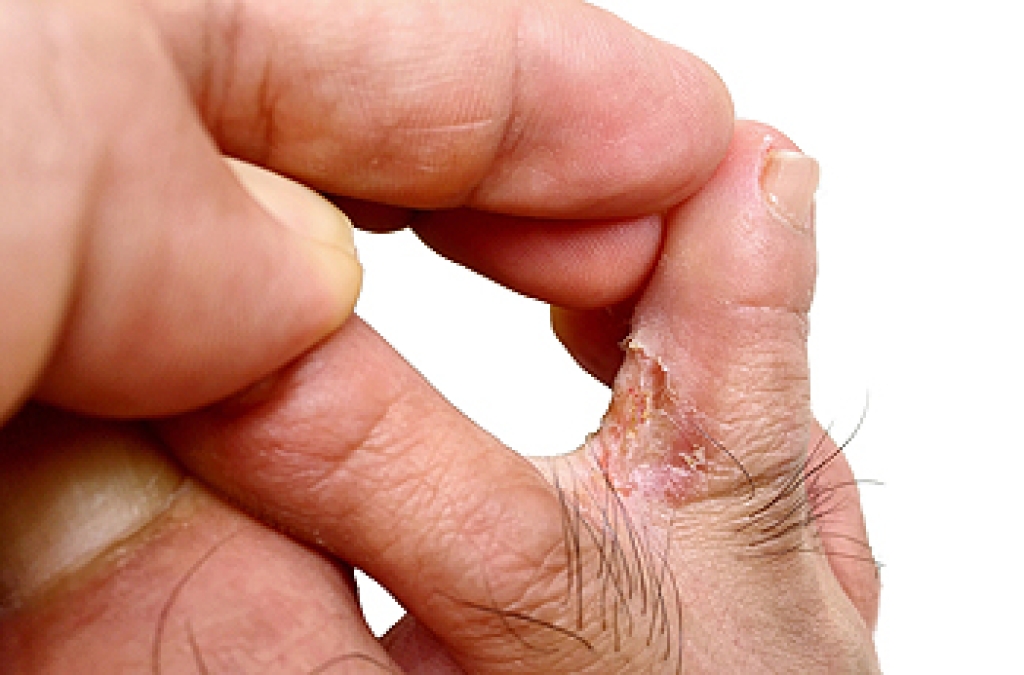
Tinea pedis, more commonly known as athlete’s foot, is a foot infection caused by fungus. Athlete’s commonly get this infection because it thrives on warm, damp surfaces like pools, locker rooms, and public showers where athletes are and may walk barefoot, hence Its name athlete’s foot. Children rarely get athlete’s foot, but teens and anyone with sweaty or damp feet are at risk for the infection. This condition can get uncomfortable and present itself as bumps on the feet, cracked, blistered and peeling areas that are often between toes, redness, and scaling on the soles of the feet. Other possible symptoms are cheesy skin between toes that has an unpleasant odor or a rash that spreads to the inside of the foot. It is highly contagious and can be spread to other body parts or other people. To prevent this infection, keep feet as clean and dry as possible, air feet out by not wearing the same shoes all the time, wear foot coverings in public areas, and do not share towels or footwear. If you suspect you have athlete’s foot, a visit to a podiatrist to provide treatment and to prevent it from spreading is highly suggested.

Athlete’s Foot

Athlete’s foot is often an uncomfortable condition to experience. Thankfully, podiatrists specialize in treating athlete’s foot and offer the best treatment options. If you have any questions about athlete’s foot, consult with John Horlebein, DPM from Northern Cascades Foot & Ankle, LLC. Our doctor will assess your condition and provide you with quality treatment.

What Is Athlete’s Foot?

Tinea pedis, more commonly known as athlete’s foot, is a non-serious and common fungal infection of the foot. Athlete’s foot is contagious and can be contracted by touching someone who has it or infected surfaces. The most common places contaminated by it are public showers, locker rooms, and swimming pools. Once contracted, it grows on feet that are left inside moist, dark, and warm shoes and socks.

Prevention

The most effective ways to prevent athlete’s foot include:

  • Thoroughly washing and drying feet
  • Avoid going barefoot in locker rooms and public showers
  • Using shower shoes in public showers
  • Wearing socks that allow the feet to breathe
  • Changing socks and shoes frequently if you sweat a lot

Symptoms

Athlete’s foot initially occurs as a rash between the toes. However, if left undiagnosed, it can spread to the sides and bottom of the feet, toenails, and if touched by hand, the hands themselves. Symptoms include:

  • Redness
  • Burning
  • Itching
  • Scaly and peeling skin

Diagnosis and Treatment

Diagnosis is quick and easy. Skin samples will be taken and either viewed under a microscope or sent to a lab for testing. Sometimes, a podiatrist can diagnose it based on simply looking at it. Once confirmed, treatment options include oral and topical antifungal medications.

If you have any questions, please feel free to contact our office located in Chelan, WA . We offer the newest diagnostic and treatment technologies for all your foot care needs.

Read more about Athlete’s Foot
Connect with us