


If left untreated, an ingrown toenail can lead to more serious concerns, such as an infection. Knowing proper nail care can help in the prevention of an ingrown toenail. Give us a call, and get treated!
If left untreated, an ingrown toenail can lead to more serious concerns, such as an infection. Knowing proper nail care can help in the prevention of an ingrown toenail. Give us a call, and get treated!

The journey of a child's first steps is a monumental milestone, prompting many parents to wonder when the right time is for those tiny feet to don their first pair of shoes. In the initial stages of crawling and early walking, experts suggest that barefoot is best. This allows little feet to develop naturally, promoting balance and strength. As a child begins to take more confident steps and explores different surfaces, introducing soft-soled shoes provides protection without impeding the foot's natural growth. Typically, at approximately one year of age, when walking becomes steadier, it is an appropriate time to consider the introduction of shoes. Opting for shoes with a proper fit, flexible soles, and breathable materials is vital to support the natural development of the feet. If you have concerns about a more definite time to purchase the first shoes for your child, it is suggested that you consult a podiatrist.
The health of a child’s feet is vital to their overall well-being. If you have any questions regarding foot health, contact John Horlebein, DPM of Northern Cascades Foot & Ankle, LLC. Our doctor can provide the care you need to keep you pain-free and on your feet.
Tips for Keeping Children's Feet Healthy
If you have any questions, please feel free to contact our office located in Chelan, WA . We offer the newest diagnostic and treatment technologies for all your foot care needs.
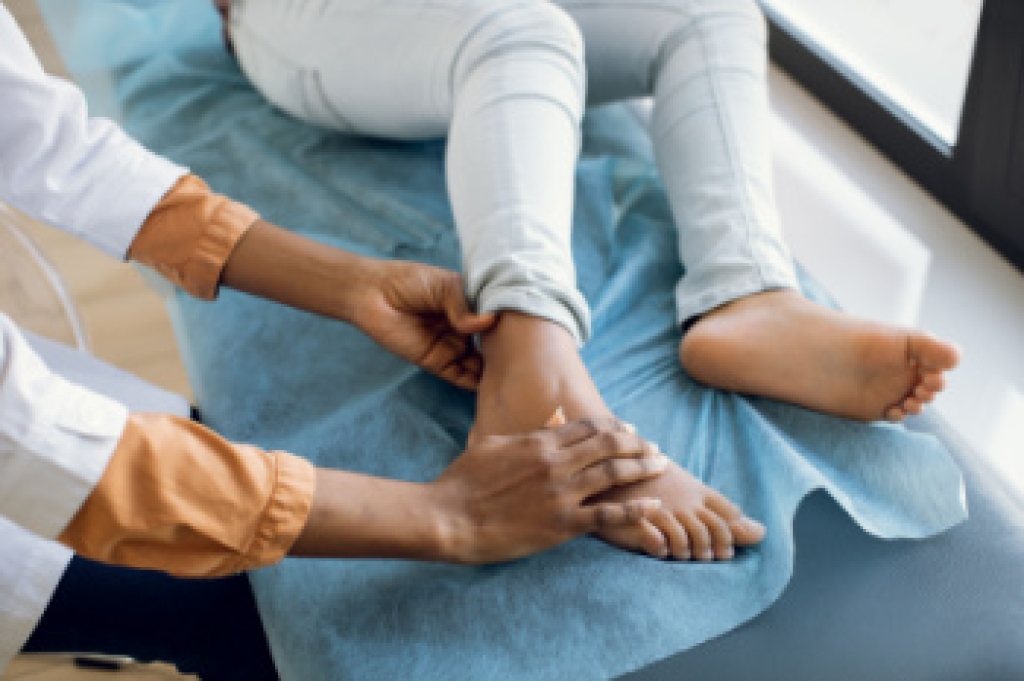
Pain on the outer side of the foot, also known as lateral foot pain, can affect walking, balance, and daily comfort. This type of pain may develop suddenly due to injury, or gradually from overuse and underlying conditions. The outer foot supports weight during movement, making it vulnerable to strain and stress. Several conditions can lead to discomfort in this area, including ankle sprains, bunionettes, and Achilles tendinitis. Understanding the source of pain is important for proper care and recovery.
Symptoms of lateral foot pain vary depending on the cause. An ankle sprain often results in swelling, bruising, and tenderness along the outer ankle, especially after a twist or fall. Arthritis can cause stiffness, aching, and reduced joint flexibility, which may worsen with activity. A bunionette, also called a tailor’s bunion, appears as a bony bump near the base of the small toe and can lead to redness, irritation, and pressure from shoes. Achilles tendinitis may cause pain near the back of the heel that can extend along the outer foot, along with stiffness and discomfort during movement.
The causes of pain on the outer side of the foot often involve repetitive stress, injury, or structural issues. Ankle sprains occur when ligaments are stretched or torn, usually from sudden movement. Arthritis develops over time due to joint wear or inflammation. Bunionettes may develop from foot structure or wearing tight footwear that places pressure on the outer foot. Additionally, Achilles tendinitis is typically caused by overuse, especially in activities that involve running or jumping. Each condition affects the foot differently but can lead to ongoing discomfort if not addressed.
Risk factors for lateral foot pain include wearing improper footwear, high impact activities, and a history of previous injuries. If you have pain on the outer side of your foot, it is suggested that you consult a podiatrist for an accurate diagnosis and appropriate treatment.
Foot Pain
Foot pain can be extremely painful and debilitating. If you have a foot pain, consult with John Horlebein, DPM from Northern Cascades Foot & Ankle, LLC. Our doctor will assess your condition and provide you with quality foot and ankle treatment.
Causes
Foot pain is a very broad condition that could be caused by one or more ailments. The most common include:
Diagnosis
To figure out the cause of foot pain, podiatrists utilize several different methods. This can range from simple visual inspections and sensation tests to X-rays and MRI scans. Prior medical history, family medical history, and any recent physical traumatic events will all be taken into consideration for a proper diagnosis.
Treatment
Treatment depends upon the cause of the foot pain. Whether it is resting, staying off the foot, or having surgery; podiatrists have a number of treatment options available for foot pain.
If you have any questions, please feel free to contact our office located in Chelan, WA . We offer the newest diagnostic and treatment technologies for all your foot care needs.

As people age, the Achilles tendon naturally changes. This strong band of tissue connects the calf muscles to the heel bone and helps make walking, climbing stairs, and standing on tiptoe possible. Research shows that aging reduces the tendon's ability to handle repeated stress. Its fibers become less organized, blood flow decreases, and the tendon becomes less flexible. These changes increase the risk of pain, small tears, and complete ruptures. Age-related changes can also slow the body's natural healing process after an injury. While active adults can develop Achilles tendon problems, the risk becomes greater with advancing age because the tendon does not repair itself as efficiently. Pain and stiffness near the back of the heel can make daily activities more difficult and limit mobility.
Patients with age-related Achilles tendon problems can notice pain while walking, swelling, and tenderness above the heel. Some people also feel stiffness after resting or have difficulty pushing off the ground when taking a step. A podiatrist begins with a thorough examination to determine the cause of the pain and evaluate how well the tendon is working. Imaging studies, like ultrasound or MRI scans, can provide a clearer view of tendon damage when necessary. Early diagnosis helps identify whether the problem involves inflammation, small tears, or more advanced wear within the tendon. Understanding the condition allows the podiatrist to develop a treatment plan that matches the patient's symptoms and activity level.
A podiatrist offers several treatment options that focus on reducing pain, improving movement, and supporting tendon function. Treatment includes custom orthotics, stretching programs supervised by the provider, and advanced therapies that encourage healing. Patients also receive guidance about wearing shoes that provide proper support to reduce unnecessary strain on the tendon while walking. When tendon damage is severe and other treatments do not provide enough relief, surgery can become the best option to restore function. Addressing Achilles tendon problems early helps protect mobility and supports long-term foot and ankle health. If you have symptoms of age-related Achilles tendon problems, it is suggested that you make an appointment with a chiropractor for diagnosis and treatment.
Achilles tendon injuries need immediate attention to avoid future complications. If you have any concerns, contact John Horlebein, DPM of Northern Cascades Foot & Ankle, LLC. Our doctor can provide the care you need to keep you pain-free and on your feet.
What Is the Achilles Tendon?
The Achilles tendon is a tendon that connects the lower leg muscles and calf to the heel of the foot. It is the strongest tendon in the human body and is essential for making movement possible. Because this tendon is such an integral part of the body, any injuries to it can create immense difficulties and should immediately be presented to a doctor.
What Are the Symptoms of an Achilles Tendon Injury?
There are various types of injuries that can affect the Achilles tendon. The two most common injuries are Achilles tendinitis and ruptures of the tendon.
Achilles Tendinitis Symptoms
Rupture Symptoms
Treatment and Prevention
Achilles tendon injuries are diagnosed by a thorough physical evaluation, which can include an MRI. Treatment involves rest, physical therapy, and in some cases, surgery. However, various preventative measures can be taken to avoid these injuries, such as:
If you have any questions please feel free to contact our office located in Chelan, WA . We offer the newest diagnostic tools and technology to treat your foot and ankle needs.

Healthy feet play an important role in staying active, independent, and safe as people grow older. Aging can change the joints, muscles, and bones of the feet, making them more vulnerable to pain and injury. The skin often becomes thinner and drier, while the natural padding on the bottom of the feet gradually decreases. These changes can make standing and walking less comfortable. Arthritis, poor circulation, and changes in foot shape also can increase the risk of foot problems. Symptoms include pain, stiffness, and difficulty while walking. Some older adults also notice balance problems or reduced feeling in their feet, which can increase the risk of falls. Regular foot care helps identify these concerns before they become more serious.
A podiatrist performs a detailed examination to evaluate the overall health of the feet. The evaluation includes checking the skin, toenails, and circulation. They may also look at foot structure, and joint movement. The podiatrist also observes how the patient stands and walks because changes in gait can increase pressure on certain areas of the feet. Gait is the body's walking pattern. The examination also looks for corns, calluses, and other conditions that can affect comfort and stability. Early diagnosis allows treatment to begin before foot problems interfere with mobility or independence. Routine podiatry visits also help monitor changes that naturally occur with aging.
Professional foot care focuses on maintaining comfort, improving stability, and protecting long-term foot health in older adults. A podiatrist can safely treat corns, fungal nail infections, and ingrown toenails before they become more painful. Care also includes custom orthotics that improve foot alignment and distribute pressure more evenly. The podiatrist can recommend shoes that fit properly and provide good support to improve comfort while walking. Regular follow-up visits help monitor foot health and reduce the risk of falls caused by painful foot conditions. Healthy feet support better balance, greater confidence, and continued independence. If you have symptoms of foot pain or other foot problems, it is suggested that you schedule an appointment with a podiatrist for diagnosis and treatment.
If you need your feet checked, contact John Horlebein, DPM of Northern Cascades Foot & Ankle, LLC. Our doctor will attend to all of your foot and ankle needs and provide you with quality treatment.
Geriatrics and Podiatry
When people age, some common issues that may occur are bone density loss, dry skin, poor circulation, and rough brittle nails. These issues may also affect your foot health if the necessary steps are not taken to alleviate the problems.
It is important to take care of your feet because feet that are injured or diseased can affect your overall health. Having painful feet hinders your ability to do daily activities or may decrease your willingness to do the things that you need to do.
Visiting Your Geriatrician
As we age, health problems become more likely, so it is essential to visit your doctor for check-ups to ensure that you are doing the best you can to take care of your health. It is recommended to check your feet frequently for any possible cuts, bruises, swelling, corns or any other irregularities.
Taking Care of Elderly Feet
Cracked or dry feet can be treated by applying moisturizer often. It is also important not to wear old socks because the older the sock is, the higher the possibility there will be that there is bacteria there. Wear fresh socks and make sure they fit properly.
Proper foot health means that you can have a more active lifestyle and you will not be bogged down by pain. Foot health also leads to good circulation, which is paramount for overall health.
If you have any questions, please feel free to contact our office located in Chelan, WA . We offer the newest diagnostic and treatment technologies for all your foot care needs.