


Have you noticed a bony protrusion on the side of your big toe? If so, you may have developed the foot condition known as a bunion. Don't let bunions interfere with your daily activities.
Have you noticed a bony protrusion on the side of your big toe? If so, you may have developed the foot condition known as a bunion. Don't let bunions interfere with your daily activities.
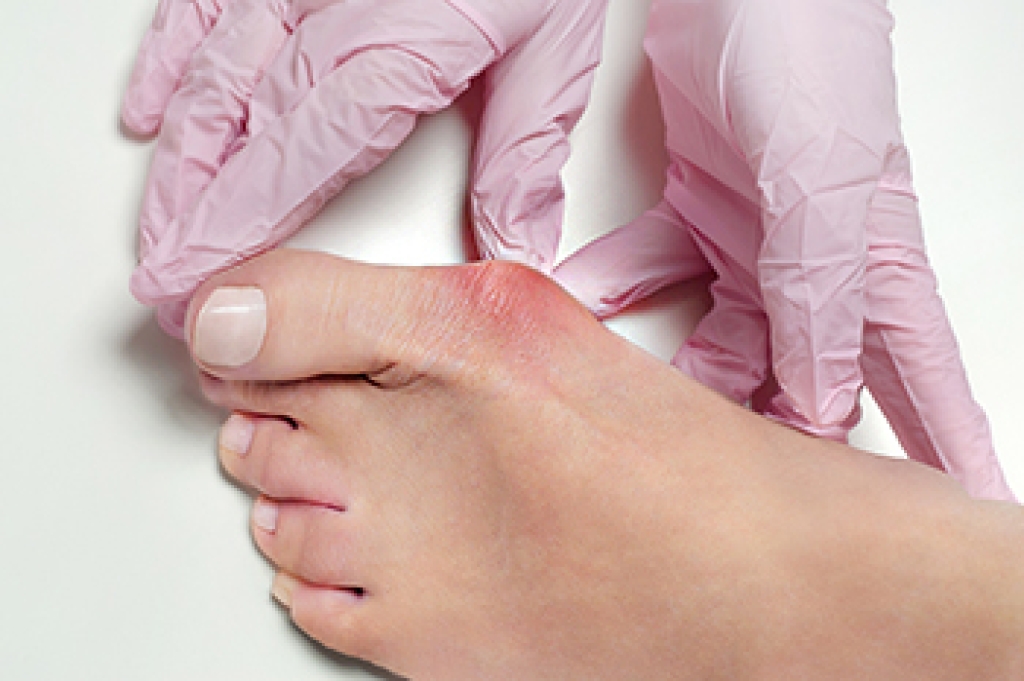
A bunion is a common foot problem that develops near the big toe joint. The big toe may gradually move toward the other toes while the joint creates a noticeable bump along the side of the foot. This area can become sore, red, or swollen. You may also notice that your shoes feel tighter or that walking becomes uncomfortable. Bunions are not caused by shoes alone. Your natural foot structure and family history can also make you more likely to develop one.
Several factors may contribute to bunion development. Having a family history of bunions can increase your risk. Flat feet or flexible joints may also affect how your feet move. Wearing tight shoes and high heels can place extra pressure on the toes and make existing symptoms worse. Running may also increase discomfort if you already have a bunion. Long-distance running may increase this stress, especially when your shoes do not provide enough room or support.
A bunion often looks like a bump beside the big toe. The toe may gradually turn inward as the bunion becomes more noticeable. You may experience swelling, tenderness, or irritation around the joint. Friction from shoes can sometimes cause thickened skin or corns. Runners may notice pain while exercising, stiffness in the toe, or aching after a run. Everyone experiences bunions differently. Getting podiatric guidance early can help identify what may be contributing to your discomfort and support better foot function.
If running has started to make your bunion uncomfortable, small changes may help. Consider wearing running shoes with a roomy toe box. Avoid footwear that squeezes the front of your foot. A podiatrist can also evaluate how your feet and body move during activity. They can recommend supportive strategies and activity changes that may improve comfort. If you enjoy running and have developed a bunion, it is suggested that you consult a podiatrist to explore effective relief and management solutions.
If you are suffering from bunion pain, contact John Horlebein, DPM of Northern Cascades Foot & Ankle, LLC. Our doctor can provide the care you need to keep you pain-free and on your feet.
What Is a Bunion?
Bunions are painful bony bumps that usually develop on the inside of the foot at the joint of the big toe. As the deformity increases over time, it may become painful to walk and wear shoes. Women are more likely to exacerbate existing bunions since they often wear tight, narrow shoes that shift their toes together. Bunion pain can be relieved by wearing wider shoes with enough room for the toes.
Causes
Symptoms
In order to diagnose your bunion, your podiatrist may ask about your medical history, symptoms, and general health. Your doctor might also order an x-ray to take a closer look at your feet. Nonsurgical treatment options include orthotics, padding, icing, changes in footwear, and medication. If nonsurgical treatments don’t alleviate your bunion pain, surgery may be necessary.
If you have any questions, please feel free to contact our office located in Chelan, WA . We offer the newest diagnostic and treatment technologies for all your foot care needs.
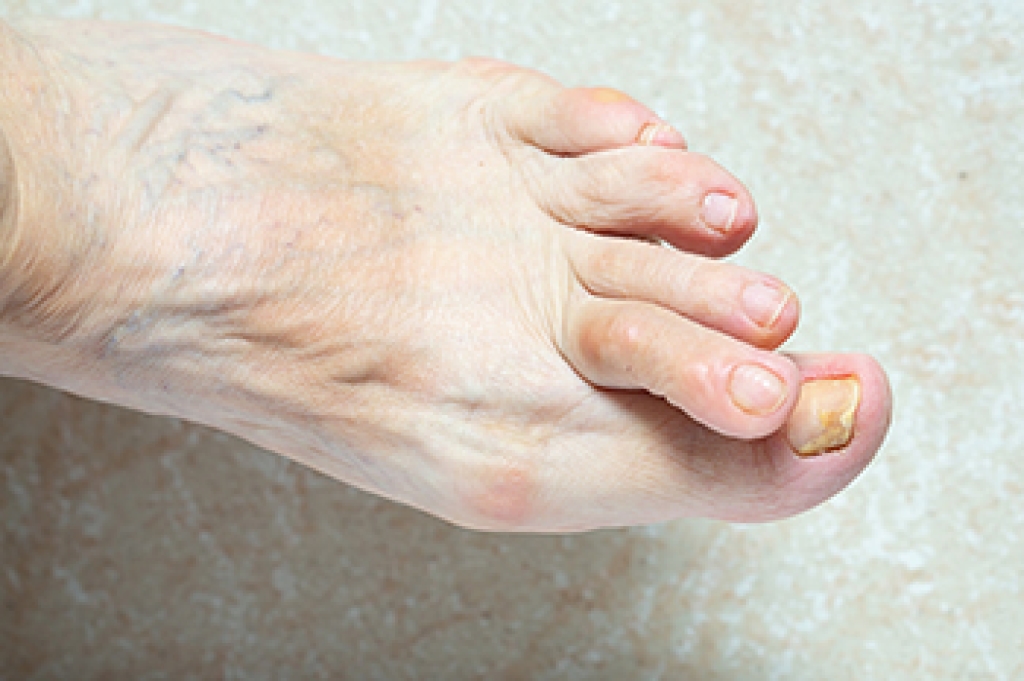
Hammertoe is a toe deformity that causes one of the smaller toes to remain bent instead of lying flat. It usually affects the second, third, or fourth toe. The abnormal bend can create pressure where the toe rubs against a shoe. Corns can form on top of the toe, while calluses can develop near its tip. Pain while walking can become more noticeable as the deformity progresses. Some patients also have other foot changes, including high arches or a bunion.
Several factors can contribute to hammertoe. wearing shoes that are too tight in the toe box can squeeze the toes into a bent position. High-heeled shoes can also increase pressure on the front of the foot. In some patients, the structure of the foot or an imbalance in the muscles and tendons contributes to the deformity. A hammertoe can remain flexible in its early stages, meaning the toe can still be straightened. As the condition progresses, the joint can become stiff and remain fixed in a bent position.
A podiatrist can examine the affected toe and determine whether the deformity is flexible or rigid. X-rays can show which joints are involved and whether other changes are present. Treatment for a flexible hammertoe can include padding, splints, or prescription orthotics. A podiatrist can also recommend properly-fitting shoes with enough room in the toe box to reduce pressure. When the toe becomes rigid and painful, surgery can be considered to straighten it and improve function. Treatment depends on the severity of the bend, the amount of stiffness, and other foot problems. Early evaluation can help address painful pressure points before they become more difficult to manage. If you have developed a hammertoe, it is suggested that you schedule an appointment with a podiatrist for a diagnosis and appropriate treatment.
Hammertoe
Hammertoes can be a painful condition to live with. For more information, contact John Horlebein, DPM from Northern Cascades Foot & Ankle, LLC. Our doctor will answer any of your foot- and ankle-related questions.
Hammertoe is a foot deformity that affects the joints of the second, third, fourth, or fifth toes of your feet. It is a painful foot condition in which these toes curl and arch up, which can often lead to pain when wearing footwear.
Symptoms
Causes
Genetics – People who are genetically predisposed to hammertoe are often more susceptible
Arthritis – Because arthritis affects the joints in your toes, further deformities stemming from arthritis can occur
Trauma – Direct trauma to the toes could potentially lead to hammertoe
Ill-fitting shoes – Undue pressure on the front of the toes from ill-fitting shoes can potentially lead to the development of hammertoe
Treatment
Orthotics – Custom made inserts can be used to help relieve pressure placed on the toes and therefore relieve some of the pain associated with it
Medications – Oral medications such as anti-inflammatories or NSAIDs could be used to treat the pain and inflammation hammertoes causes. Injections of corticosteroids are also sometimes used
Surgery – In more severe cases where the hammertoes have become more rigid, foot surgery is a potential option
If you have any questions, please feel free to contact our office located in Chelan, WA . We offer the newest diagnostic and treatment technologies for all your foot care needs.

Corns are thick, hardened areas of skin that develop when the foot is exposed to repeated pressure or friction. They often form on the tops, sides, or tips of the toes, and they can also develop between the toes. A corn may have a firm center that presses into deeper tissue and causes pain. Pressure from tight-fitting shoes, high heels, or foot and toe shape can contribute to corn formation. Some corns are softer because they develop between toes where moisture is present. Patients may notice a raised area that feels tender when touched or when pressure is placed on it.
A podiatrist can examine a corn and determine what is causing the repeated pressure. The location of the corn can provide clues about how pressure is affecting the foot. A podiatrist can also check for related foot concerns that could contribute to friction. Professional treatment focuses on reducing pressure and protecting the affected skin. Depending on the cause, care can include removing thickened skin, using protective padding, or recommending changes that reduce pressure on the area. A podiatrist can also assess whether a foot or toe problem is affecting how pressure is distributed when walking.
Persistent corns can become painful and irritated, especially when pressure continues to affect the same area. In some cases, a corn can contribute to skin breakdown or other problems. A podiatrist can monitor the affected area and determine whether further treatment is appropriate. Professional evaluation is especially useful when a corn returns repeatedly, interferes with walking, or causes significant discomfort and affects normal daily activities at home and work. Treatment can also address the source of pressure rather than focusing only on the hardened skin. This approach can help protect the foot and reduce repeated irritation. If you have symptoms of corns, it is suggested that you make an appointment with a podiatrist for diagnosis and treatment.
Corns can make walking very painful and should be treated immediately. If you have questions regarding your feet and ankles, contact John Horlebein, DPM of Northern Cascades Foot & Ankle, LLC. Our doctor will treat your foot and ankle needs.
Corns: What Are They? And How Do You Get Rid of Them?
Corns are thickened areas on the skin that can become painful. They are caused by excessive pressure and friction on the skin. Corns press into the deeper layers of the skin and are usually round in shape.
Ways to Prevent Corns
There are many ways to get rid of painful corns such as:
Treating Corns
Although most corns slowly disappear when the friction or pressure stops, this isn’t always the case. Consult with your podiatrist to determine the best treatment option for your case of corns.
If you have any questions, please feel free to contact our office located in Chelan, WA . We offer the newest diagnostic and treatment technologies for all your foot care needs.

Rheumatoid arthritis, or RA, is a disease in which the immune system attacks joint tissue. For some people, pain and swelling in the feet are the first signs of RA. In other patients, foot symptoms appear months or years later, or never develop. Rheumatoid arthritis usually affects the small toe joints and where the toes meet the forefoot. It can also affect the joint below the ankle. Early signs include soreness, warmth, and swelling. A sudden period of stronger symptoms is called a flare.
As RA damages joints, pain and swelling can make standing and walking difficult. Joint damage can also cause instability or changes in foot shape. Pressure from these changes can lead to corns, calluses, or open sores. Firm lumps called nodules can develop near the Achilles tendon, heel, or other bony areas. Some patients notice numbness, tingling, or poor temperature awareness because nerves may be affected. Others develop circulation problems that cause cramping while walking or color changes in the toes. New swelling, shape changes, or skin wounds require prompt medical attention.
A podiatrist can examine the feet, identify affected joints, and check the skin. The examination can assess nerve function and blood flow. Treatment focuses on easing pressure, supporting painful joints, and improving foot function. A podiatrist can recommend supportive shoes and prescribe custom orthotics. These specially made shoe inserts can improve balance and reduce stress beneath sore areas. The podiatrist can also safely care for corns and calluses, treat skin wounds, and monitor changes linked to RA. When joint damage is severe, the podiatrist can discuss whether surgery could improve comfort or movement. Regular foot evaluations can help detect concerns before they become harder to manage. If you have foot pain related to rheumatoid arthritis, it is suggested that you schedule an appointment with a podiatrist for effective relief and management solutions.
Because RA affects more than just your joints, including the joints in your feet and ankles, it is important to seek early diagnosis from your podiatrist if you feel like the pain in your feet might be caused by RA. For more information, contact John Horlebein, DPM of Northern Cascades Foot & Ankle, LLC. Our doctor will assist you with all of your podiatric concerns.
What Is Rheumatoid Arthritis?
Rheumatoid Arthritis (RA) is an autoimmune disorder in which the body’s own immune system attacks the membranes surrounding the joints. Inflammation of the lining and eventually the destruction of the joint’s cartilage and bone occur, causing severe pain and immobility.
Rheumatoid Arthritis of the Feet
Although RA usually attacks multiple bones and joints throughout the entire body, almost 90 percent of cases result in pain in the foot or ankle area.
Symptoms
Diagnosis
Quick diagnosis of RA in the feet is important so that the podiatrist can treat the area effectively. Your doctor will ask you about your medical history, occupation, and lifestyle to determine the origin of the condition. Rheumatoid Factor tests help to determine if someone is affected by the disease.
If you have any questions, please feel free to contact our office located in Chelan, WA . We offer the newest diagnostic and treatment technologies for all your foot care needs.