

Dr. Horlebein will be joining Advanced Regional Ankle & Foot Care LLC as a full time physician in Altoona PA, as of June 1st 2023. Feel free to call our office with any scheduling inquires/questions!

Blog

Understanding What Causes Stress Fractures

A stress fracture is a tiny crack in a bone caused by repeated pressure. In the foot, these injuries often affect the long bones that connect the toes to the middle of the foot. These bones absorb force when you push while walking or running. Pain usually begins gradually and becomes stronger with activity. The sore area may feel tender when touched. Swelling of the foot or bruising can develop. Unlike a sudden break caused by an accident, a stress fracture can develop without one clear injury. Daily movement may become painful.

A sudden change in activity is a leading cause of stress fractures. Running farther than usual or increasing exercise days can place more pressure on bones than they can handle. People who rarely walk far can also develop an injury after a busy vacation. Uneven ground adds to the risk. Changes in how the foot moves can increase risk when a bunion changes weight distribution. Shoes that lack proper support can also affect how the foot absorbs impact. A podiatrist can examine your walking pattern and identify factors contributing to the injury.

Treatment aims to protect the injured bone while it heals. A podiatrist examines the painful area and orders imaging to help confirm a stress fracture. Treatment options include a protective walking boot, crutches, or custom shoe inserts to help reduce pressure on the affected bone. A podiatrist also evaluates your shoes and may recommend a stiff-soled design that limits painful bending. Follow-up visits help track healing and guide a safe return to activity. Continuing to push through pain can delay recovery. If you have symptoms of a foot stress fracture, it is suggested that you schedule an appointment with a podiatrist for diagnosis and treatment.

Stress fractures occur when there is a tiny crack within a bone. To learn more, contact John Horlebein, DPM from Northern Cascades Foot & Ankle, LLC. Our doctor can provide the care you need to keep you pain free and on your feet.

How Are They Caused?

Stress fractures are the result of repetitive force being placed on the bone. Since the lower leg and feet often carry most of the body’s weight, stress fractures are likely to occur in these areas. If you rush into a new exercise, you are more likely to develop a stress fracture since you are starting too much, too soon.  Pain resulting from stress fractures may go unnoticed at first, however it may start to worsen over time.

Risk Factors

  • Gender – They are more commonly found in women compared to men.
  • Foot Problems – People with unusual arches in their feet are more likely to develop stress fractures.
  • Certain Sports – Dancers, gymnasts, tennis players, runners, and basketball players are more likely to develop stress fractures.
  • Lack of Nutrients – A lack of vitamin D and calcium may weaken the bones and make you more prone to stress fractures
  • Weak Bones – Osteoporosis can weaken the bones therefore resulting in stress fractures

Stress fractures do not always heal properly, so it is important that you seek help from a podiatrist if you suspect you may have one. Ignoring your stress fracture may cause it to worsen, and you may develop chronic pain as well as additional fractures.

If you have any questions please contact our office located in Chelan, WA . We offer the newest diagnostic and treatment technologies for all your foot and ankle needs.

Read more about Dealing with Stress Fractures of the Foot and Ankle

Bunions and How Podiatrists Treat Them

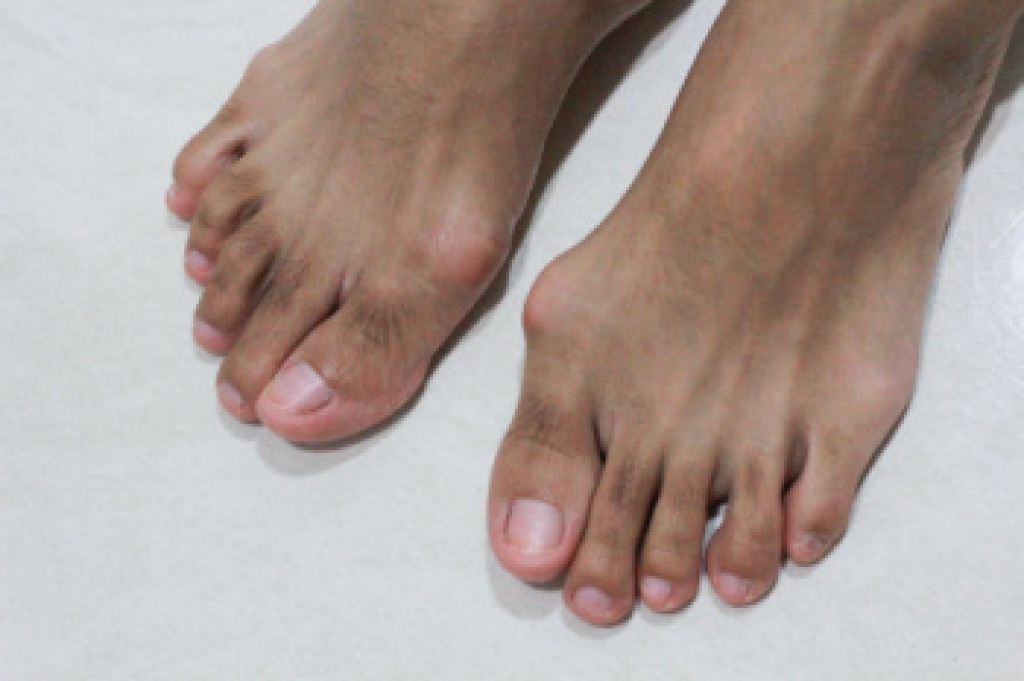
A bunion is a bony bump that forms at the base of the big toe. It develops as the top of the big toe shifts toward the second toe, pushing the joint out of alignment. The bump can become red, swollen, and tender. Other symptoms include aching pain, stiffness, and a burning feeling. Some patients also develop corns where the toes rub together. Bunions can limit shoe choices and make walking difficult. The condition tends to progress gradually, although the rate of change differs among patients. Some bunions remain painless, while others interfere with work, exercise, or performing daily activities.

An inherited foot structure is a factor in bunion development. Certain foot shapes place extra stress on the joint at the base of the big toe. Shoes with a narrow toe box do not directly create the deformity, but they often place added pressure on the area. Wearing high heels may also crowd the toes and worsen discomfort. Because a bunion involves changes in bone alignment, the visible bump does not disappear on its own. Seeking help from a podiatrist when symptoms begin can help to protect the joint.

A podiatrist can examine the foot, assess joint movement, and observe how the patient walks. X-rays can show the position of the bones and the severity of the bunion. Treatment is based on the patient’s pain, activity level, and joint condition. A podiatrist can recommend fitted shoes with a wide toe box. Treatment also includes protective padding or custom orthotics to reduce pressure and improve foot function. When these measures do not provide enough relief, the podiatrist can discuss whether surgery is appropriate. Bunion surgery can realign the bones, correct damaged tissues, and reduce pain. The procedure selected depends on the bunion’s structure and severity. If you are experiencing pain from a bunion, it is suggested that you schedule an appointment with a podiatrist for effective relief, treatment, and management solutions.

If you are suffering from bunions, contact John Horlebein, DPM of Northern Cascades Foot & Ankle, LLC. Our doctor can provide the care you need to keep you pain-free and on your feet.

What Is a Bunion?

A bunion is formed of swollen tissue or an enlargement of boney growth, usually located at the base joint of the toe that connects to the foot. The swelling occurs due to the bones in the big toe shifting inward, which impacts the other toes of the foot. This causes the area around the base of the big toe to become inflamed and painful.

Why Do Bunions Form?

Genetics – Susceptibility to bunions are often hereditary

Stress on the feet – Poorly fitted and uncomfortable footwear that places stress on feet, such as heels, can worsen existing bunions

How Are Bunions Diagnosed?

Podiatrists often perform two tests – blood tests and x-rays – when trying to diagnose bunions, especially in the early stages of development. Blood tests help determine if the foot pain is being caused by something else, such as arthritis, while x-rays provide a clear picture of your bone structure to your provider.

How Are Bunions Treated?

  • Refrain from wearing heels or similar shoes that cause discomfort
  • Select wider shoes that can provide more comfort and reduce pain
  • Anti-inflammatory and pain management drugs
  • Orthotics or foot inserts
  • Surgery

If you have any questions, please feel free to contact our office located in Chelan, WA . We offer the newest diagnostic and treatment technologies for all your foot care needs.

Read more about What Are Bunions?

When Toe Pain Requires Bone Spur Surgery

Bone spurs are areas of extra bone that can form near a joint. In the foot, they often develop around the big-toe joint, heel, or ankle. A bone spur does not always cause symptoms. However, it can press against nearby tissue, restrict movement, and make wearing shoes uncomfortable. Pain, stiffness, or a hard bump can interfere with walking. Arthritis, injury, and repeated stress can contribute to their formation. A podiatrist can examine the foot and use X-rays to confirm the spur's location and size.

Bone spur surgery is usually considered when pain continues despite treatment or when joint movement is severely limited. The procedure depends on the spur's location and the condition of the joint. For a spur on the big-toe joint, the podiatrist may remove the extra bone through an incision. The podiatrist may also remove damaged tissue around the joint. In advanced cases, another procedure may be necessary to stabilize or realign the joint. Before recommending surgery, the podiatrist reviews circulation, nerve function, and overall health. These factors help determine whether the foot is likely to heal properly.

Recovery varies with the procedure. After bone spur removal, care includes resting the foot, using a special shoe, and keeping the incision clean. The podiatrist provides instructions about weight-bearing and a safe return to regular shoes. Follow-up visits allow the podiatrist to check healing, remove stitches, and monitor joint movement. Possible problems include infection, delayed healing, and continued pain. Stiffness or another spur can develop later. Patients should report redness, drainage, or severe pain. Follow-up care can protect the incision and help the foot regain movement. The goal of surgery is to reduce pain and improve function, although results depend on the amount of joint damage. If you have symptoms of a bone spur on the big toe, it is suggested that you schedule an appointment with a podiatrist for diagnosis and appropriate treatment.

Foot surgery is sometimes necessary to treat a foot ailment. To learn more, contact John Horlebein, DPM of Northern Cascades Foot & Ankle, LLC. Our doctor will assist you with all of your foot and ankle needs.

When Is Surgery Necessary?

Foot and ankle surgery is generally reserved for cases in which less invasive, conservative procedures have failed to alleviate the problem. Some of the cases in which surgery may be necessary include:

  • Removing foot deformities like bunions and bone spurs
  • Severe arthritis that has caused bone issues
  • Cosmetic reconstruction

What Types of Surgery Are There?

The type of surgery you receive will depend on the nature of the problem you have. Some of the possible surgeries include:

  • Bunionectomy for painful bunions
  • Surgical fusion for realignment of bones
  • Neuropathy decompression surgery to treat nerve damage

Benefits of Surgery

Although surgery is usually a last resort, it can provide more complete pain relief compared to non-surgical methods and may allow you to finally resume full activity.

Surgical techniques have also become increasingly sophisticated. Techniques like endoscopic surgery allow for smaller incisions and faster recovery times.

If you have any questions, please feel free to contact our office located in Chelan, WA . We offer the newest diagnostic and treatment technologies for all your foot care needs.

Read more about Foot and Ankle Surgery

Risk Factors for Athlete’s Foot

Athlete's foot, medically known as tinea pedis, is a common fungal infection that affects the skin of the feet. It typically develops in warm, moist environments where fungi thrive. This condition often begins between the toes, but can spread to other areas of the foot if not treated. Athlete’s foot is contagious and can be transmitted through direct contact or by walking on contaminated surfaces such as locker rooms or pool areas. Understanding the definition and causes of this infection is essential for prevention and proper care.

Symptoms of athlete’s foot include itching, burning, and stinging sensations on the skin. The affected area may appear red, scaly, or cracked. In some cases, peeling skin and small blisters may develop. The infection can also spread to the toenails, causing discoloration or thickening. These symptoms may worsen in damp conditions and can lead to discomfort during daily activities. Early recognition can help limit the spread and severity of the infection.


Several risk factors increase the likelihood of developing athlete’s foot. Wet or sweaty feet create an ideal environment for fungal growth. Wearing plastic-lined shoes or footwear that does not allow airflow can trap moisture and promote infection. Individuals with toenail injuries or compromised skin barriers may also be more susceptible. Additionally, walking barefoot in shared spaces increases exposure to fungi. These factors contribute to the widespread nature of this condition.


Preventing athlete’s foot involves keeping the feet clean and dry, wearing breathable footwear, and avoiding shared surfaces without protection. Changing socks regularly and allowing shoes to air out can reduce moisture buildup. Using protective footwear in public areas can also lower risk. Prompt treatment can prevent complications and spread. If you have athlete's foot, it is suggested that you consult a podiatrist for effective relief and treatment solutions, which may include prescribed medication. 

Athlete’s foot is an inconvenient condition that can be easily reduced with the proper treatment. If you have any concerns about your feet and ankles, contact John Horlebein, DPM from Northern Cascades Foot & Ankle, LLC.  Our doctor will treat your foot and ankle needs.

Athlete’s Foot: The Sole Story

Athlete's foot, also known as tinea pedis, can be an extremely contagious foot infection. It is commonly contracted in public changing areas and bathrooms, dormitory style living quarters, around locker rooms and public swimming pools, or anywhere your feet often come into contact with other people.

Solutions to Combat Athlete’s Foot

  • Hydrate your feet by using lotion
  • Exfoliate
  • Buff off nails
  • Use of anti-fungal products
  • Examine your feet and visit your doctor if any suspicious blisters or cuts develop

Athlete’s foot can cause many irritating symptoms such as dry and flaking skin, itching, and redness. Some more severe symptoms can include bleeding and cracked skin, intense itching and burning, and even pain when walking. In the worst cases, Athlete’s foot can cause blistering as well. Speak to your podiatrist for a better understanding of the different causes of Athlete’s foot, as well as help in determining which treatment options are best for you.

If you have any questions please feel free to contact our office located in Chelan, WA . We offer the newest diagnostic and treatment technologies for all your foot and ankle needs.

Read more about Athlete's Foot
Connect with us